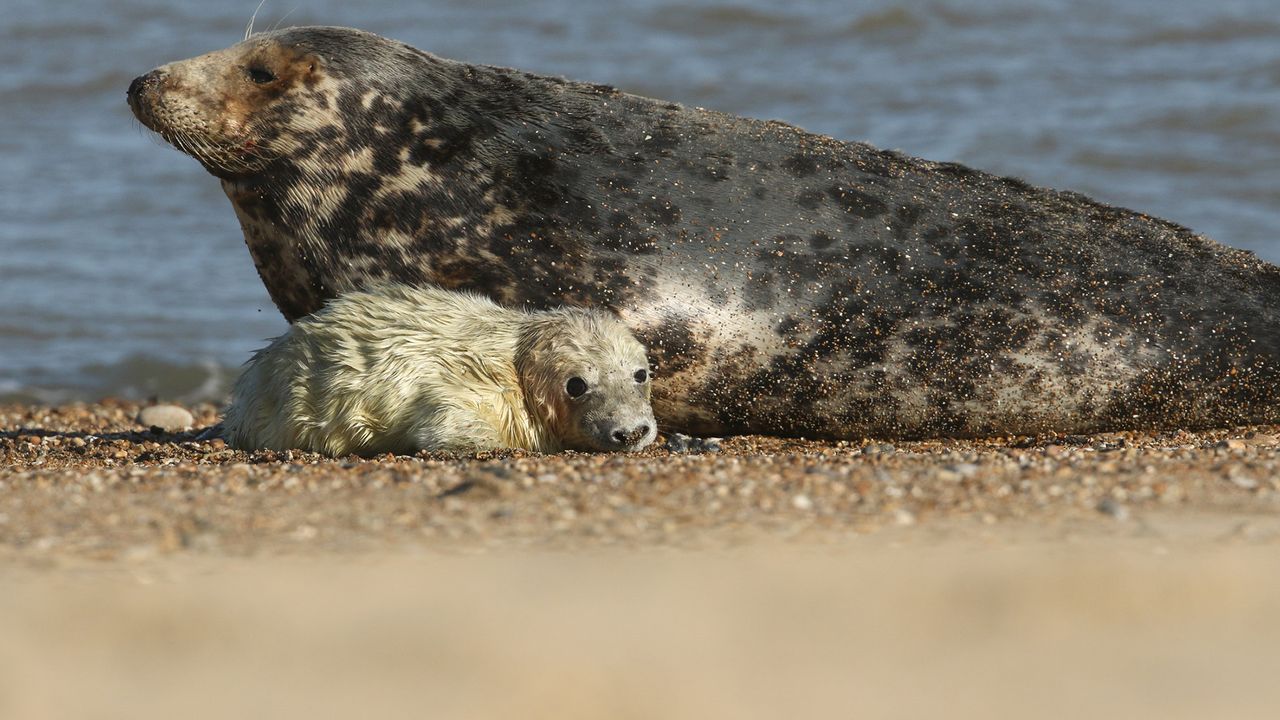
Researchers investigating seal pup deaths on a Canadian island have solved a decade-long mystery. The animals bore distinctive spiral-shaped wounds that scientists initially attributed to sharks or boat propellers. A new study confirms the injuries result from cannibalism by older seals.
The wounds, which resembled corkscrew patterns, puzzled marine biologists for years. The spiral marks appeared on dead and dying pups across multiple seasons, suggesting a consistent predator. However, the injury pattern did not match known shark attacks or propeller damage. The absence of typical predation signs complicated the investigation.
Researchers analyzed the wounds more closely, examining their geometry and the way tissue was damaged. They compared the injuries to feeding behavior documented in captive seals and to bite marks left by wild seals in other contexts. The evidence pointed conclusively to older seals attacking and consuming the pups.
Cannibalism in pinnipeds, the family that includes seals and sea lions, occurs under specific circumstances. Nutritional stress, overcrowding, or aggression related to territorial disputes can trigger the behavior. The Canadian seal population may face resource constraints that drive adults to consume young animals. Environmental factors like reduced food availability could create conditions favoring this predatory behavior.
The discovery carries implications for seal population management and marine ecosystem health. Understanding the causes of pup mortality helps researchers assess whether populations face environmental pressures or behavioral problems. The findings also inform conservation strategies for areas where seal colonies experience high juvenile mortality rates.
The research team examined historical records of pup deaths, comparing injury patterns across years. This longitudinal approach strengthened their conclusion and ruled out competing hypotheses. The study was published in a peer-reviewed marine biology journal and represents the first confirmed documentation of this specific predation pattern in the region.
The "corkscrew killer" was never a killer from outside the colony. The threat came from within.
CATEGORY