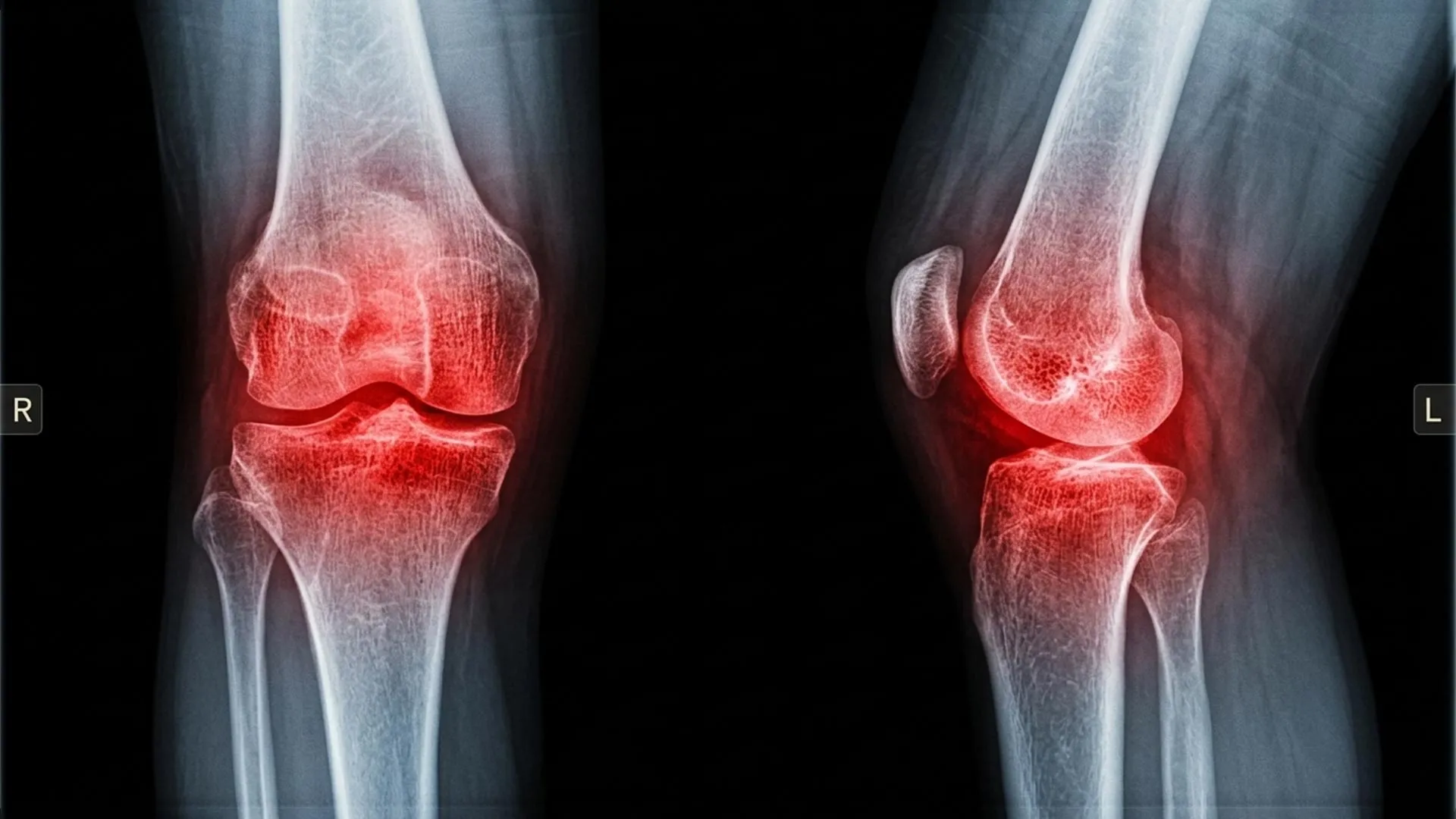
Researchers have identified a straightforward gait modification that reduces knee osteoarthritis pain as effectively as medication, while simultaneously slowing cartilage deterioration in the joint. The finding comes from a year-long clinical trial that tested whether altering foot angle during walking could relieve symptoms in people with knee osteoarthritis, one of the most common joint disorders affecting millions globally.
The study demonstrates that patients who adjusted their walking pattern experienced pain reduction comparable to standard pharmaceutical treatments. More importantly, the intervention showed promise in slowing the underlying damage to cartilage, suggesting potential long-term benefits beyond temporary symptom relief.
The research represents a shift in osteoarthritis management toward non-pharmaceutical interventions. Rather than relying solely on medication or invasive surgical procedures, patients now have access to a low-cost, accessible strategy that requires only modifying how they walk. This approach aligns with growing interest in biomechanical solutions for joint disease.
The trial's one-year duration provides reasonable evidence of sustained benefit, though longer-term studies would strengthen confidence in the approach. The mechanism behind the effect likely involves redistributing forces across the knee joint, reducing stress on damaged cartilage areas while engaging healthier tissue.
This discovery holds particular significance for patients seeking alternatives to medication, which can carry side effects, or those not yet candidates for surgery. It also offers an option for people managing chronic pain on limited healthcare resources.
The researchers did not specify the exact degree of foot-angle adjustment required or whether results varied among different patient populations, leaving room for additional investigation. Individual factors like body weight, activity level, and disease severity may influence effectiveness.
The work demonstrates that sometimes the most powerful interventions emerge from simple observations about how the body moves. For the millions struggling with knee osteoarthritis, this gait modification offers a drug-free path to pain relief and potentially slowing disease progression.