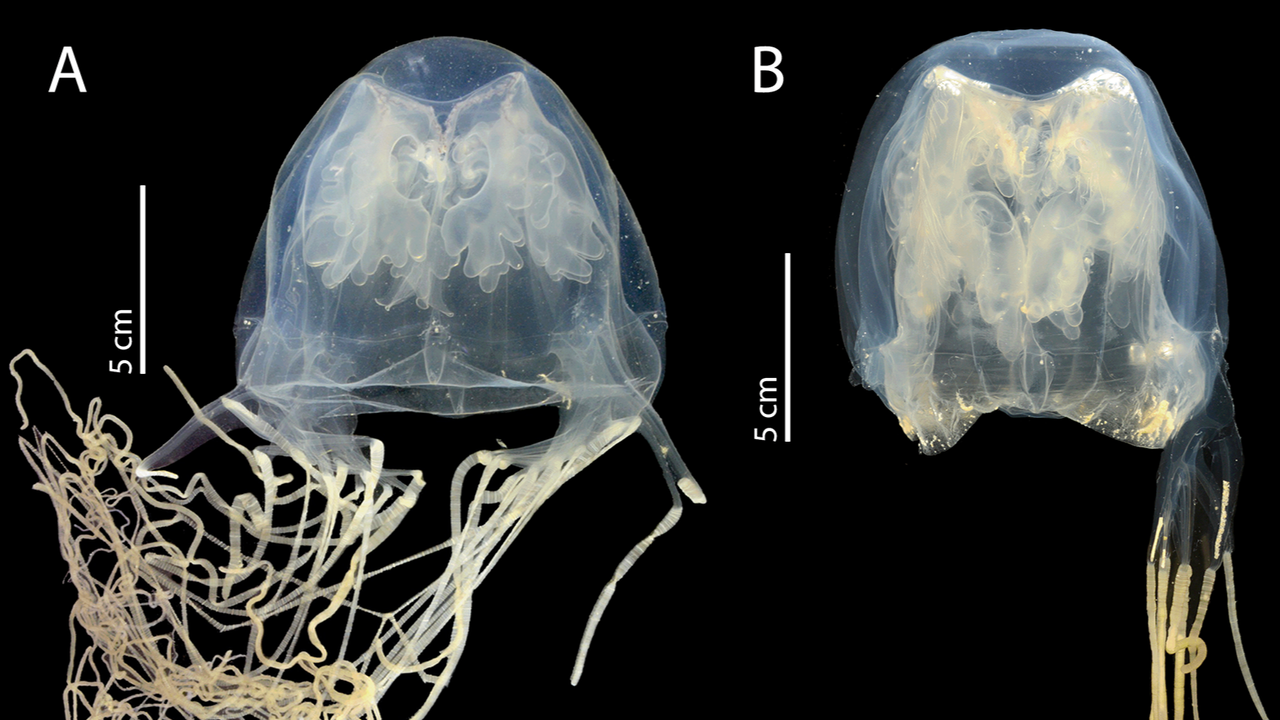
Researchers working near Singapore have identified a previously unknown species of box jellyfish and documented an unexpected geographic expansion of the Thai sea wasp, a highly venomous relative. Scientists analyzed the physical characteristics and genetic material of jellyfish specimens collected in the region to make these discoveries.
Box jellyfish rank among the ocean's most dangerous animals. The Thai sea wasp, scientifically known as Chironex fleckeri's cousin, delivers venom potent enough to kill humans. The identification of a new species adds to the complexity of tracking these animals across Southeast Asian waters, where they pose genuine medical risks to swimmers and divers.
The research team examined morphological features, including bell shape, tentacle structure, and other anatomical details, alongside DNA sequencing to distinguish between species. This dual approach proved essential for identifying the new jellyfish and confirming the range extension of the Thai sea wasp beyond previously documented boundaries.
The geographic expansion of the Thai sea wasp carries public health implications. As ocean temperatures shift and currents change, venomous species may appear in new locations, potentially encountering human populations unprepared for their presence. Singapore's coastal waters support significant recreational and commercial activity, making the discovery particularly relevant to local marine safety protocols.
The study contributes to a broader scientific effort to catalog jellyfish biodiversity in tropical and subtropical waters. Understanding which species inhabit specific regions helps authorities implement appropriate warning systems and medical preparedness measures. Hospitals in affected areas can stock antivenom and train staff on box jellyfish sting treatment when they know which species are present.
The findings highlight how genetic analysis combined with traditional taxonomy continues to reveal marine biodiversity previously overlooked or misidentified. As ocean monitoring improves and sampling techniques advance, researchers expect to discover additional jellyfish species and document further range shifts. The research underscores the need for ongoing surveillance of venomous marine fauna