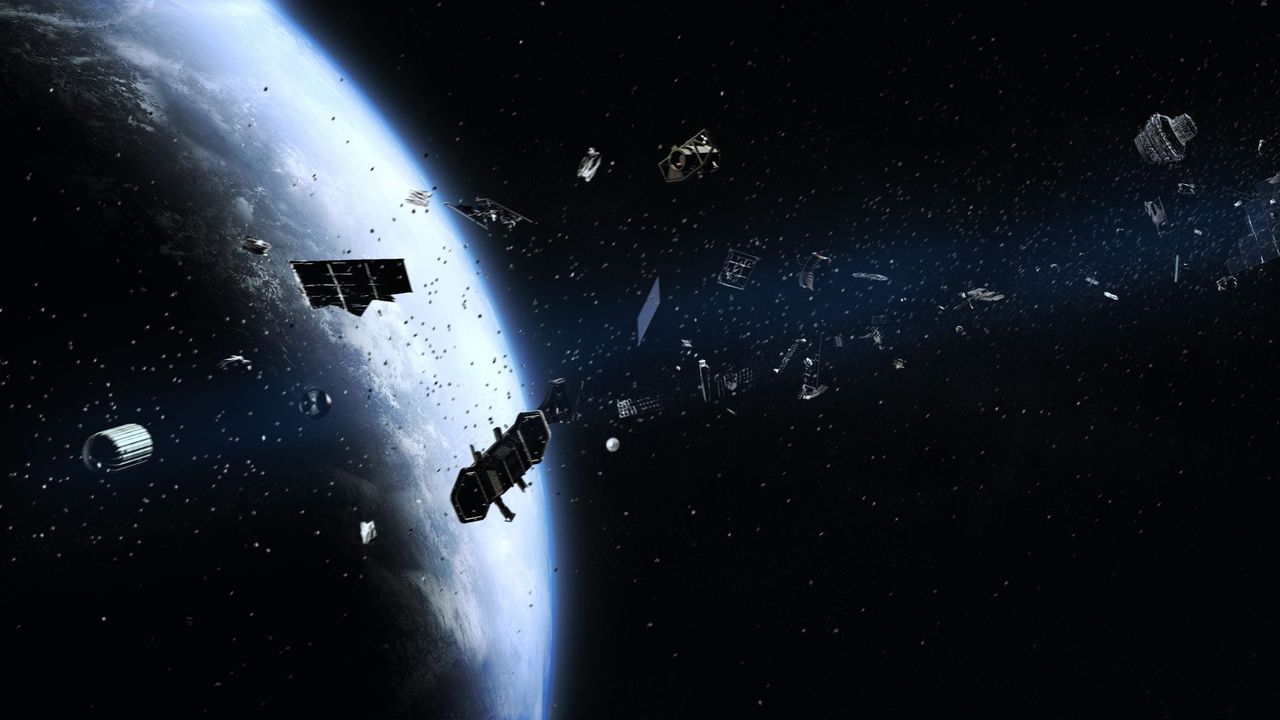
Satellites orbiting Earth are executing avoidance maneuvers with increasing frequency to dodge space debris, and the consequences are mounting. New data shows these evasive actions cost satellites both fuel and observational time, directly degrading their scientific output.
The problem stems from decades of accumulated orbital junk. Dead satellites, spent rocket stages, and fragments from explosions now create a dense minefield in low Earth orbit. When ground-based tracking systems detect debris on a collision course, satellites must fire thrusters to change trajectory. Each maneuver burns propellant and interrupts data collection.
Researchers analyzing satellite operations report that avoidance events have climbed significantly in recent years. A single large debris cloud can force dozens of satellites to adjust course within hours. The cumulative fuel expenditure shortens satellite lifespans. More immediately, instruments like cameras and spectrometers must power down during maneuvers, creating gaps in measurements of Earth's climate, weather patterns, and natural disasters.
The scientific toll extends across multiple domains. Earth observation satellites monitoring deforestation, ice sheets, and atmospheric composition lose observation windows. Weather forecasting satellites miss critical measurement opportunities. Climate researchers face incomplete datasets that reduce prediction accuracy.
The situation worsens because debris removal remains slow and expensive. Current technology cannot efficiently capture or deorbit large objects. The Kessler syndrome phenomenon compounds the risk. Each collision between objects creates more fragments, potentially triggering a cascading debris event that renders entire orbital zones unusable.
Space agencies and commercial operators are developing active debris removal technologies, but deployment remains years away. Meanwhile, new satellite launches continue adding to congestion. Operators report they expect increased avoidance maneuvers to become routine for years before any improvement occurs.
The irony cuts deep. Satellites launched to monitor planetary health now spend fuel avoiding obstacles to remain operational. Without intervention, the debris field will continue expanding, forcing