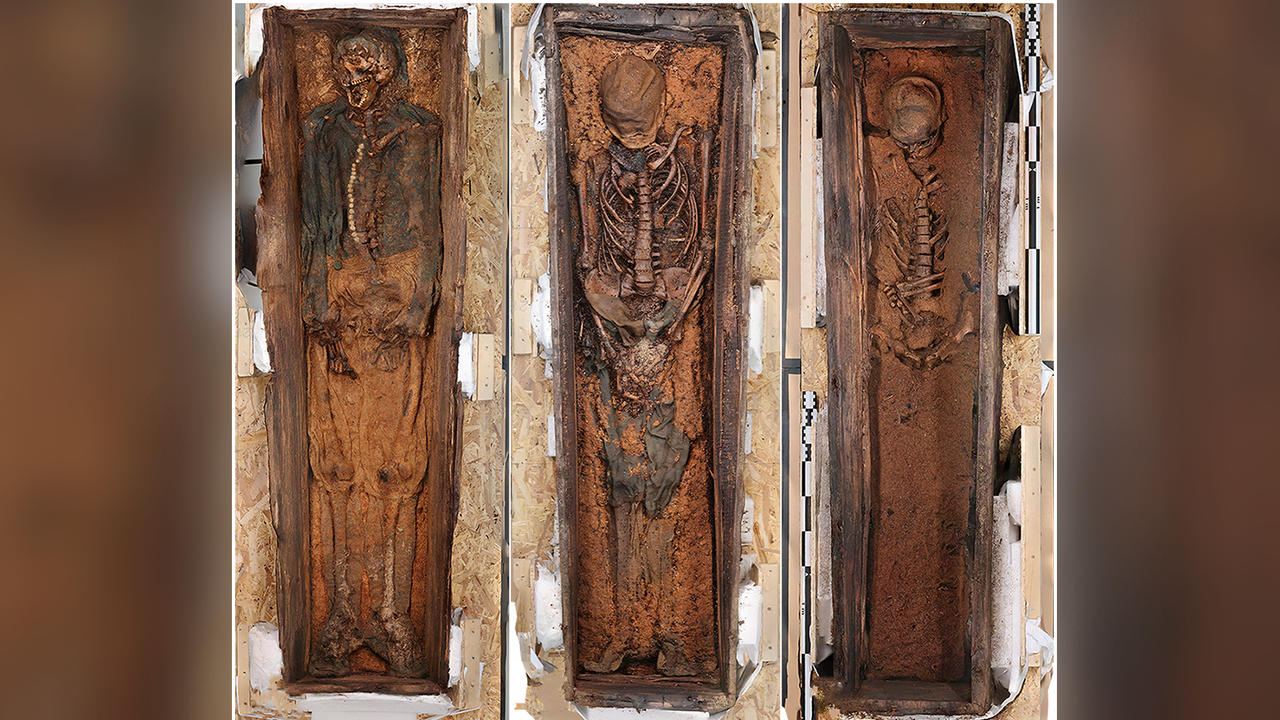
Researchers excavating graves at a remote Arctic site in Svalbard have uncovered skeletal remains of 17th-century whalers bearing stark evidence of scurvy, intense physical labor, and harsh living conditions in the far north.
The discovery at "Corpse Point" on Spitsbergen Island reveals how vitamin C deficiency devastated whaling crews working in extreme isolation. Scurvy, caused by lack of fresh fruit and vegetables, left visible marks on the bones of these laborers. The whalers' skeletons show distinctive lesions and bone damage consistent with the disease, which killed countless sailors during the age of exploration before its prevention became understood.
Archaeologists identified the remains through multiple lines of evidence. The bones display musculoskeletal stress markers indicating the men performed grueling physical work hauling massive whale carcasses and processing blubber for oil. Analysis of dental wear and skeletal development patterns confirms their maritime occupation and the chronic nutritional deficits they endured.
The team also recovered pipe fragments and tobacco residue from burial contexts, documenting the prevalence of smoking among these workers. Tobacco use likely provided some comfort during the long Arctic winters when fresh produce was unavailable.
These whalers worked in the Spitsbergen whaling industry, which flourished in the 1600s as European demand for whale oil surged. The settlement at Corpse Point operated seasonally, with crews departing before winter made the Arctic inaccessible. Those who died from scurvy, accidents, or disease during the season remained buried on the island.
The skeletal analysis adds concrete biological evidence to historical records of whaling expeditions. It demonstrates how occupational hazards combined with nutritional deficiencies created deadly conditions for early modern workers. The study provides rare archaeological documentation of a workforce largely absent from written historical accounts.
Researchers