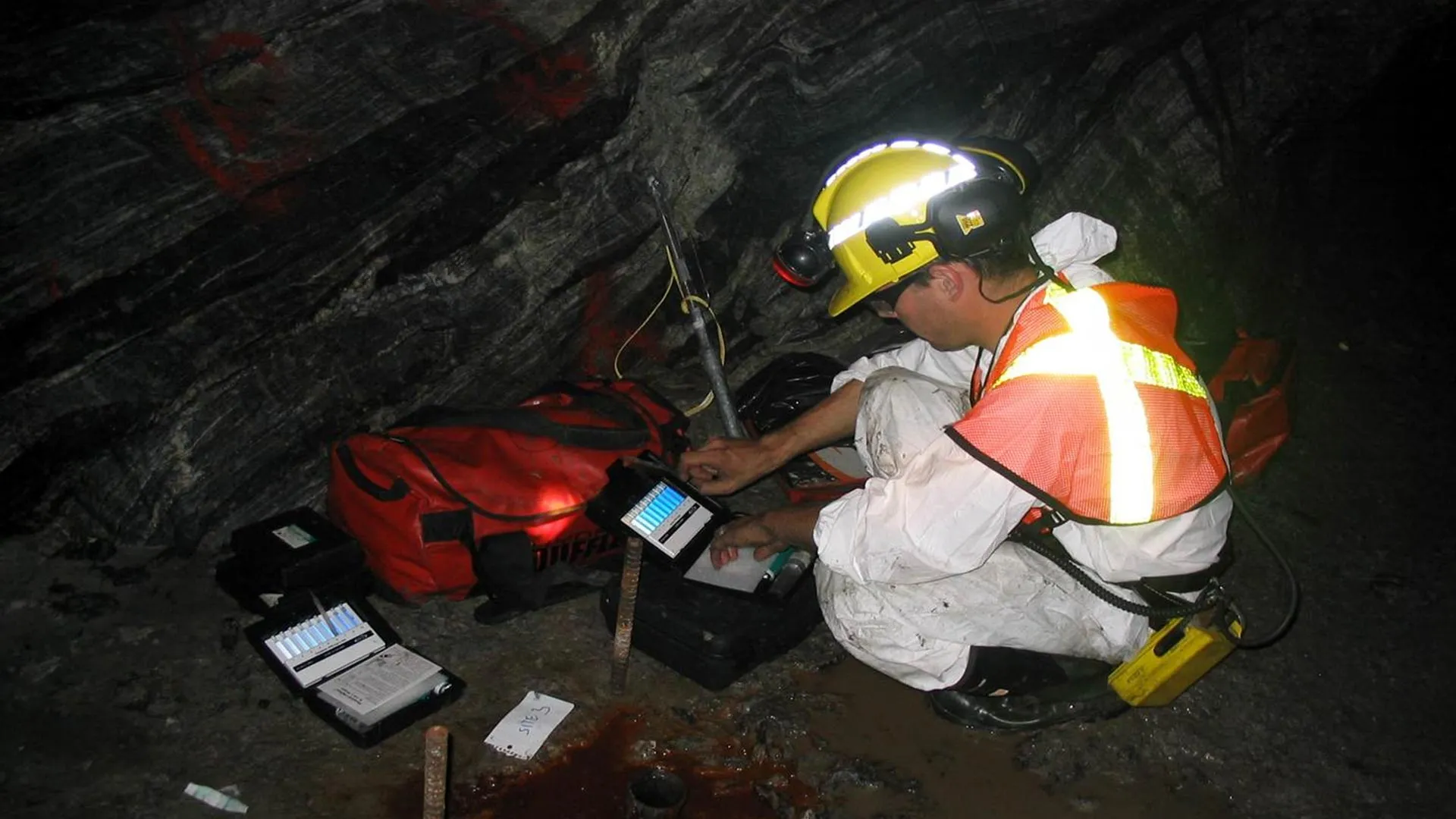
Researchers in Ontario have identified a substantial natural hydrogen source flowing from ancient underground rock formations, according to measurements taken from mine boreholes. The hydrogen gas, known as "white hydrogen," emerges continuously from these geological structures over extended periods, suggesting a renewable energy source with minimal extraction requirements.
The discovery addresses a growing energy challenge. Industrial hydrogen production currently relies on steam methane reforming, a process that consumes natural gas and releases carbon dioxide. White hydrogen, by contrast, forms naturally through chemical reactions between water and iron-rich minerals deep underground, producing zero emissions during extraction.
The Ontario measurements demonstrate that this geologically-produced hydrogen flows reliably, making it potentially viable for commercial application. Mining operations in the region have documented sustained hydrogen emissions, indicating the resource exists at scales worth investigating further. The findings suggest remote communities and heavy industries like steel manufacturing and refining could access clean hydrogen without the carbon footprint of conventional production methods.
Several questions remain unanswered. Researchers have not disclosed the exact hydrogen flow rates, the depth of the deposits, or technical methods for efficiently capturing the gas at scale. The cost comparison with other clean hydrogen technologies, such as electrolysis powered by renewable electricity, remains unclear. Geographic distribution of white hydrogen deposits across Canada has not been fully mapped.
The work builds on earlier research suggesting white hydrogen exists in various geological settings worldwide. French scientist Alain Prinzhofer has documented similar sources in Mali and other regions, though systematic exploration remains limited.
The Ontario findings add weight to the hypothesis that natural hydrogen could supplement future clean energy portfolios. However, commercial viability requires investment in extraction technology, pipeline infrastructure, and regulatory frameworks. Scientists emphasize that white hydrogen represents one option among multiple decarbonization strategies rather than a complete replacement for other renewable sources.