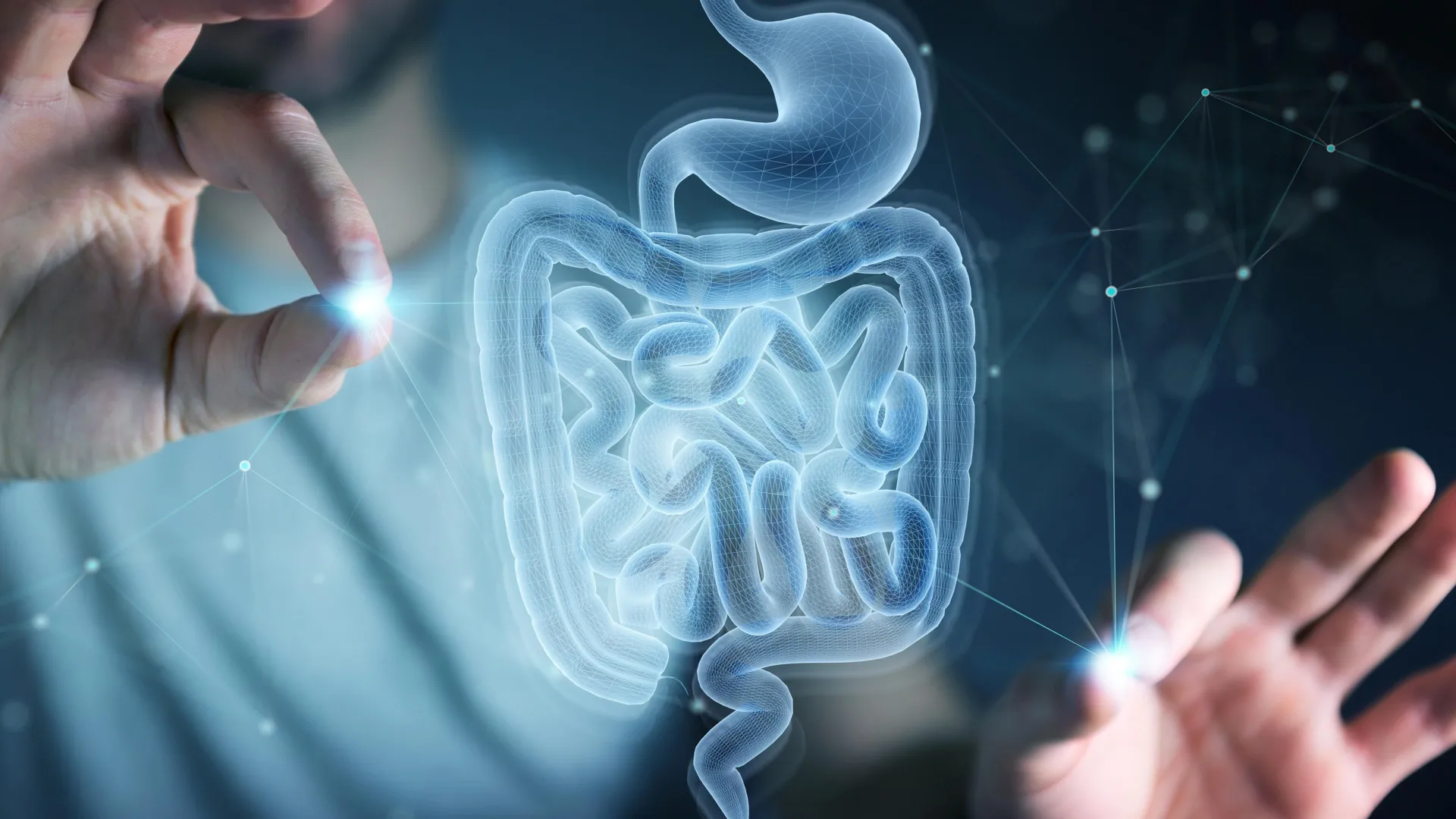
MIT researchers have identified cysteine, a common amino acid present in meat, dairy, beans, and nuts, as a key trigger for intestinal healing. The team discovered that a cysteine-rich diet activates immune cells in mice, which then release molecular signals that prompt stem cells to repair damaged intestinal tissue following radiation exposure.
The study addresses a serious problem faced by cancer patients. Radiation therapy damages the gut lining as a side effect, causing severe complications that limit treatment options and reduce quality of life. Current interventions remain limited, making dietary approaches particularly valuable.
In their experiments, researchers fed mice a cysteine-enriched diet and exposed them to radiation. The amino acid activated a population of immune cells called innate lymphoid cells (ILCs), which secreted healing factors that stimulated intestinal stem cells to regenerate the damaged tissue. Control mice on standard diets showed significantly less recovery.
The mechanism appears straightforward but powerful. Cysteine availability directly influences immune cell function, which cascades into tissue repair responses. The researchers noted that this connection between nutrient availability and immune-driven healing could extend beyond radiation damage to other forms of intestinal injury.
However, translating these mouse findings to human therapy requires caution. Rodent studies often don't replicate in clinical settings. Researchers must determine optimal cysteine doses for humans, identify which patient populations would benefit most, and rule out potential side effects from long-term supplementation. The timing of cysteine intake relative to radiation treatment also requires clarification.
The work emerged from MIT's laboratories studying intestinal regeneration and immune function. Publication details remain pending, but the preliminary results suggest dietary interventions deserve serious consideration in cancer care protocols.
This discovery aligns with growing recognition that nutrition profoundly shapes immune responses and tissue healing. If human trials confirm these findings, cysteine supplementation could offer cancer patients a non