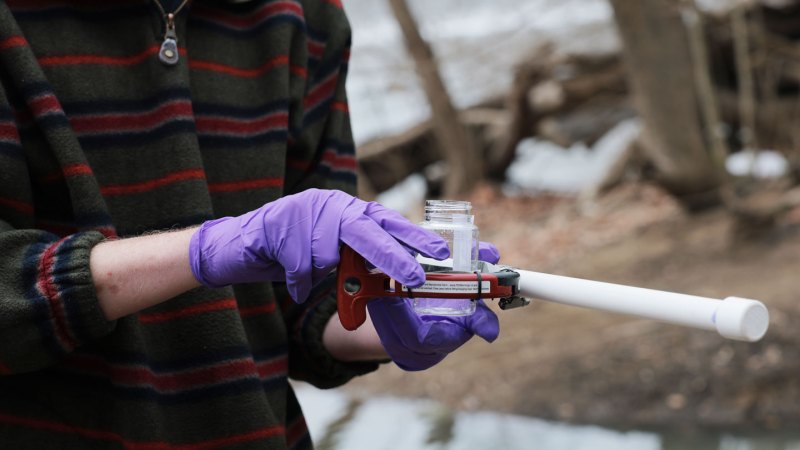
Swimming in natural water bodies carries real health risks that swimmers often overlook. Bacteria like E. coli thrive in lakes, rivers, and ponds and can cause serious gastrointestinal infections, ear infections, and skin rashes.
The safest approach starts with checking local water quality reports before visiting any swimming hole. Most states and counties maintain public databases tracking bacterial contamination levels. E. coli serves as the primary indicator organism for fecal contamination. If reports show elevated counts, avoid swimming entirely.
Beyond checking reports, swimmers should observe basic precautions. Keep your head and face above water whenever possible. Submerging your face exposes mucous membranes in your eyes, nose, and mouth to contaminated water. Swallowing any water dramatically increases infection risk.
Weather conditions matter too. Heavy rainfall flushes sewage and animal waste into natural water systems, spiking bacterial counts. Swimming within 48 hours after rain substantially raises illness risk. Avoid areas near storm drains or where streams enter larger bodies of water, as these spots concentrate contamination.
Pre-existing cuts or open wounds require special attention. Bacteria readily enter broken skin, making infected swimmers vulnerable to serious complications. Cover wounds with waterproof bandages before entering water.
Post-swim hygiene prevents transmission to others and reduces personal infection risk. Shower with soap immediately after swimming. Wash your swimsuit promptly. If symptoms like diarrhea, nausea, or skin irritation develop within two weeks, consult a doctor and mention your recent swimming.
Children face heightened vulnerability. Their developing immune systems struggle against water-borne pathogens. Supervise children closely and ensure they don't swallow water.
Most swimming-associated illnesses prove mild and self-limiting, but complications can emerge. Immunocompromised individuals, young children, and