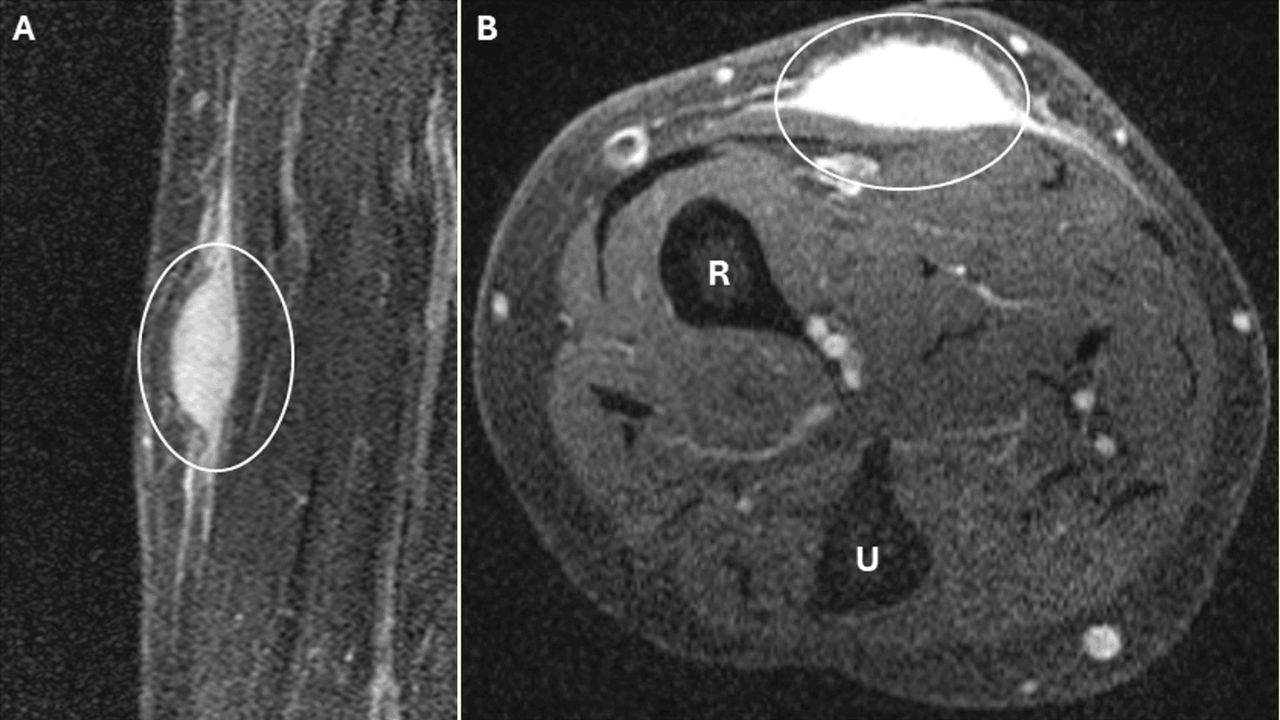
A woman's arm tumor vanished after a diagnostic biopsy, leaving doctors puzzled about whether the procedure itself triggered the cancer's collapse or if the lesion underwent spontaneous regression.
The case involves a patient whose soft tissue tumor on her arm began shrinking immediately following a needle biopsy. Doctors removed the remaining tissue weeks later and found no trace of malignant cells, only scar tissue and inflammatory material. The tumor had essentially erased itself.
Spontaneous tumor regression remains one of medicine's most elusive phenomena. It occurs when cancers or precancerous growths disappear without chemotherapy, radiation, or surgery. The mechanisms remain poorly understood, though researchers have proposed several theories. Immune system activation stands as a leading explanation. The biopsy needle may have triggered inflammation that inadvertently mobilized the patient's natural defenses against the tumor cells.
Another possibility involves sampling bias. The lesion sampled during biopsy may have been benign or low-risk, while the imaging suggested something more alarming. The perceived threat simply never materialized.
This case highlights a tension in oncology. Diagnostic procedures occasionally disturb tissues in ways that produce unexpected outcomes. Biopsies themselves carry small risks of spreading cancer cells or causing infection. Yet this particular patient experienced what appears to be a beneficial disruption, if indeed the biopsy triggered regression rather than the tumor's natural course.
Doctors document such cases in medical literature to build understanding of immune mechanisms and tumor biology. Each unexplained regression provides clues about how bodies sometimes police themselves against abnormal growth. The rarity of these events underscores how much remains unknown about cancer's behavior.
The case also underscores importance of follow-up imaging and monitoring. What appears as a dramatic disappearance requires confirmation that no cancer cells persist. Without rigorous pathological examination of the excised tissue, clinicians might mis