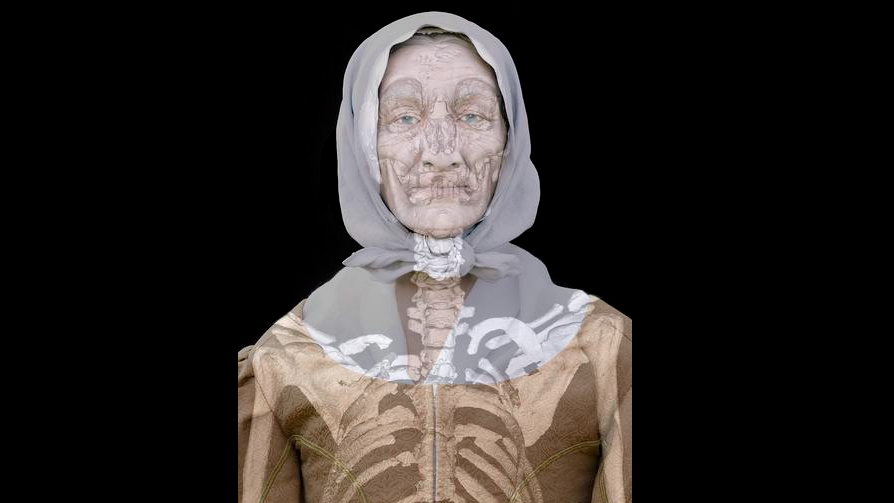
Archaeologists have uncovered the remains of an 8-year-old boy with African ancestry buried in a 17th-century cemetery in Colonial Maryland alongside indentured servants, raising questions about his social status and the nature of slavery during early colonial America.
The discovery emerged from excavations at a historic site where researchers identified the child through skeletal analysis and genetic testing. The boy's burial placement among European colonists and indentured servants complicates the standard historical narrative of early colonial racial hierarchies. Scholars continue investigating whether the child was enslaved, free, or held some intermediate status that reflected the fluid racial categories of the mid-1600s.
The finding adds to growing archaeological evidence that racial slavery in early America developed gradually rather than emerging fully formed. During the 17th century, the legal status of African arrivals remained contested. Some worked as indentured servants with defined terms of service, while others entered permanent bondage. The boundaries between these categories shifted across colonies and decades.
The cemetery's composition itself proves telling. The presence of an African-descended child buried within a colonist burial ground suggests either family connection, economic ties, or community integration that later colonial racial codes would have prohibited. Standard 18th-century practice rigidly separated burial sites by race and status.
Geneticists determined the boy's ancestry through DNA analysis, while physical anthropologists examined bone development and trauma markers on the skeleton. The remains show no signs of extreme malnutrition or repetitive labor damage typical of enslaved children, though absence of evidence does not confirm freedom.
Context matters here. Maryland in the 1650s-1680s represented a transitional period. The colony relied on indentured servants before developing the plantation system dependent on lifelong enslaved labor. African arrivals during this era occupied ambiguous legal positions. Some acquired property, married across racial lines, and achieved relative autonomy. Others