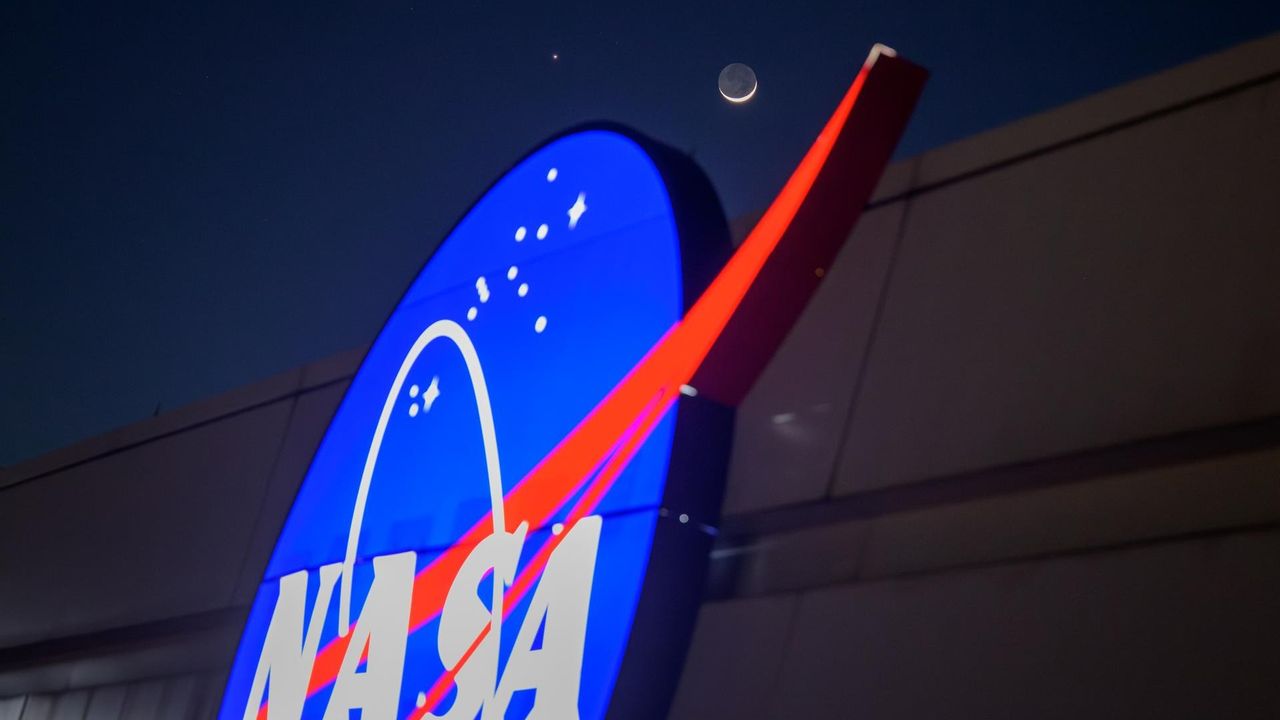
Venus and the crescent moon created a striking celestial display on May 18-19, appearing in close proximity in the western sky shortly after sunset. The conjunction offered stargazers and photographers an accessible viewing opportunity without requiring telescopes or special equipment.
Venus, Earth's brightest planetary neighbor, shines at magnitude minus 4.5, making it easily visible even in twilight conditions. The crescent moon's thin illuminated edge amplified the contrast in the evening sky. When planets and the moon reach such close angular separation, they create compositions particularly appealing to astrophotographers.
The event unfolded during favorable evening viewing conditions across most populated regions. Observers positioned in locations with clear western horizons captured the pair positioned against darkening skies, with the brighter Venus typically dominating photographs while the moon's delicate crescent provided context and scale.
Such lunar-planetary conjunctions occur regularly as celestial bodies follow their orbital paths. Venus cycles through evening and morning visibility periods roughly every eight months, while the moon completes its orbit every 29.5 days. These geometric alignments produce frequent opportunities for observation, though their visual impact varies based on the brightness and separation distance of the objects involved.
The May encounter generated considerable interest across astronomy communities and social media platforms, with observers sharing images from diverse geographic locations. The event required no special equipment and presented minimal observational challenges, making it accessible to casual observers and experienced astronomers alike.
Clear skies and unobstructed western horizons proved essential for optimal viewing. Urban light pollution diminished visibility but did not eliminate it entirely given Venus's exceptional brightness. Photographers utilizing standard camera equipment and modest magnification tools captured detailed images revealing lunar surface features and Venus's brilliant disk.
These routine celestial mechanics remind observers that space is dynamic and continuously changing. Regular lunar-planetary meetings create natural opportunities for engagement with the night sky and serve as useful reminders to monitor