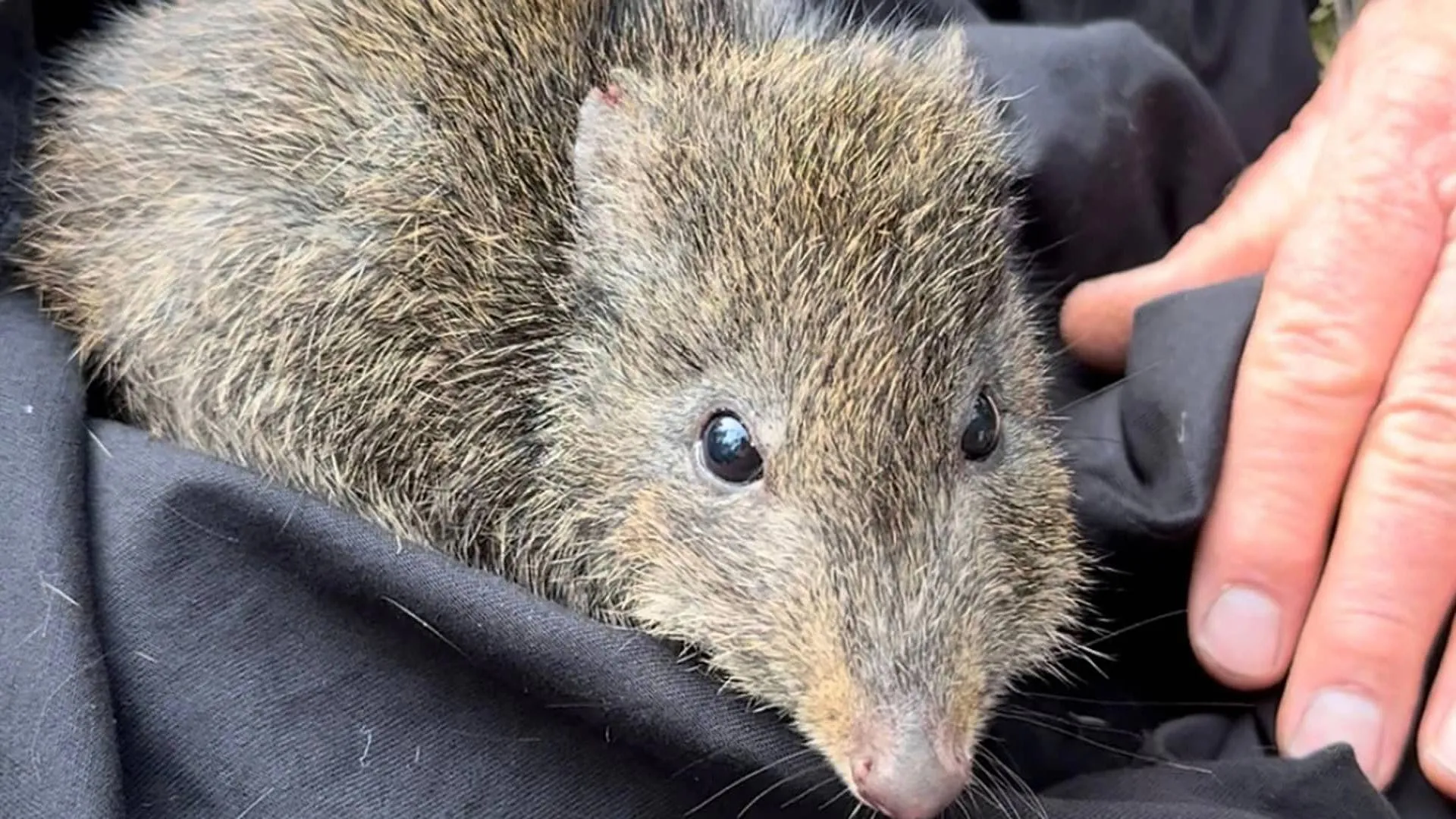
Researchers in Australia are using DNA extracted from potoroo feces to unlock survival secrets of one of Earth's rarest marsupials. The Gilbert's potoroo, with fewer than 150 individuals remaining in the wild, depends on fungi that the animals had never been properly studied before.
By analyzing DNA traces in scat, scientists identified which fungal species the potoroos consume and rely upon for nutrition and possibly reproduction. This work reveals the ecological requirements these marsupials need to thrive, information that was previously inaccessible through traditional observation of such elusive animals.
The research enables conservationists to locate suitable new habitats where the necessary fungi already grow. This capacity to identify appropriate relocation sites matters urgently. The species faces threats from habitat loss, predation, and catastrophic events like the bushfires that ravaged Australia in recent years. Establishing backup populations in multiple locations would buffer the species against extinction.
The Gilbert's potoroo, native only to southwestern Australia, represents an extreme case of endangerment. Its tiny population creates genetic bottlenecks and leaves it vulnerable to disease outbreaks or environmental shocks that could eliminate the entire wild population in a single disaster.
DNA-based scat analysis has become increasingly powerful in conservation biology. Rather than capturing and handling stressed animals, researchers gather non-invasive samples that reveal diet, health markers, and environmental DNA. For cryptic species like the potoroo, which weighs less than 1 kilogram and remains hidden in dense undergrowth, this approach offers information impossible to obtain through direct observation.
The work demonstrates how molecular techniques can solve practical conservation problems. By understanding the complete ecological network the potoroos inhabit, including their fungal food sources, scientists move beyond guesswork toward evidence-based habitat restoration and species recovery planning.
This research represents a race against time. With populations so small, genetic rescue