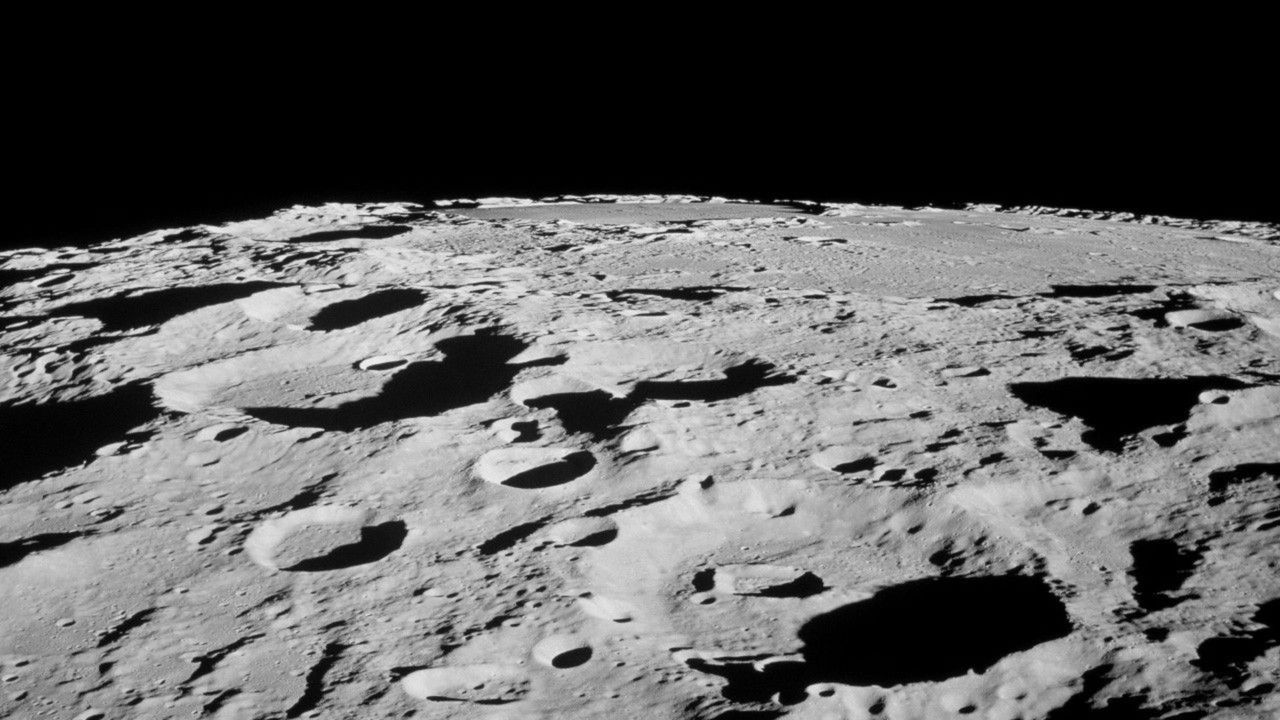
Researchers are developing a lunar navigation system using lasers positioned in the moon's coldest, darkest craters to guide future Artemis astronauts and spacecraft across the lunar surface.
The concept leverages the extreme conditions found in permanently shadowed craters near the moon's poles. These regions maintain temperatures below minus 170 degrees Celsius, providing ideal environments for stabilizing laser systems. The cold eliminates thermal drift that would otherwise affect laser precision on warmer lunar terrain.
The proposed network would function similarly to Earth's Global Positioning System. Rather than relying on satellites orbiting overhead, the lunar version would use ground-based lasers in crater locations as reference points. Spacecraft and rovers navigating the surface could lock onto these laser beams to determine their position with centimeter-level accuracy, far exceeding the precision of current lunar positioning methods.
Current Artemis missions depend on radio signals and less accurate terrain-based navigation systems. This approach creates navigation bottlenecks for surface operations, particularly in shadowed regions where light-based systems fail. A dedicated lunar GPS network would enable more efficient exploration, safer equipment movements, and expanded operational range for future missions.
The permanently shadowed craters offer another practical advantage. These regions contain frozen water ice, which future lunar bases could exploit for drinking water, oxygen production, and fuel manufacturing. Positioning navigation infrastructure in these areas allows dual-use facilities that serve both navigation and resource extraction needs.
Challenges remain before implementation. Engineers must design laser systems capable of surviving lunar conditions, including extreme temperature swings during the lunar day and radiation exposure. Establishing and maintaining multiple laser stations across the lunar surface requires significant infrastructure development and payload delivery capacity.
The project aligns with NASA's broader Artemis agenda to establish sustained human presence on the moon. Reliable precision navigation forms a critical foundation for lunar base construction, extended surface missions, and eventual lunar resource utilization. Space