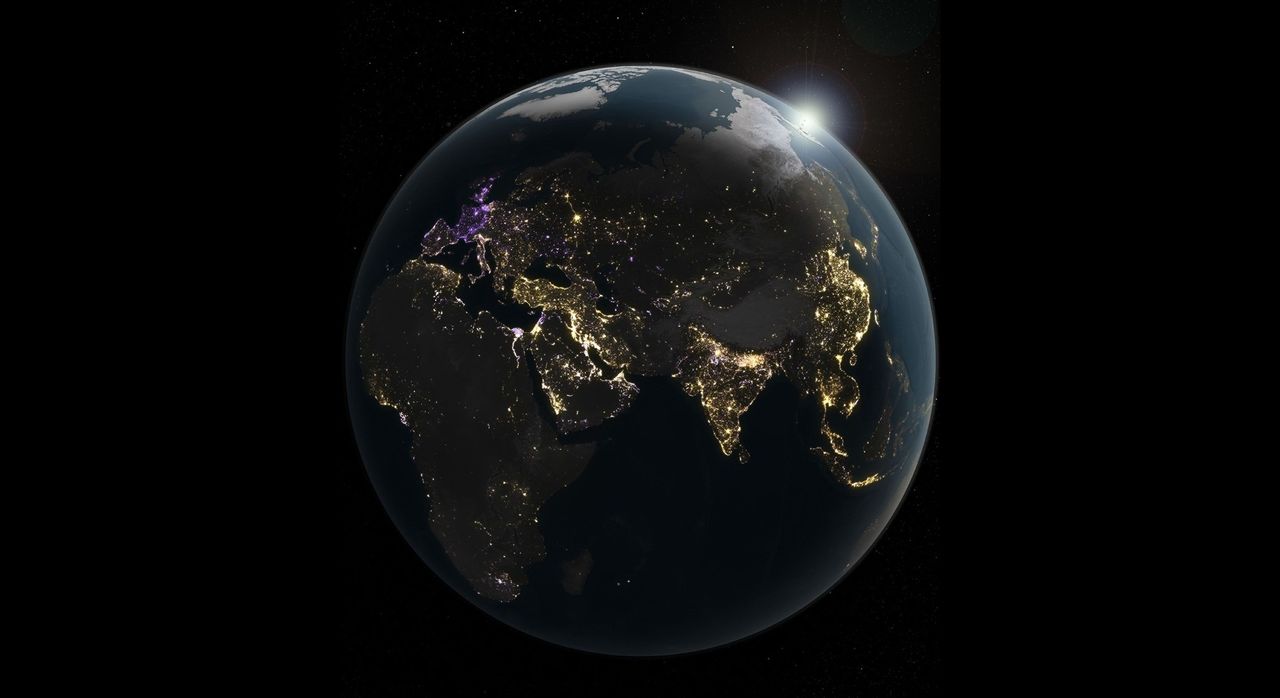
NASA's Black Marble project analyzed nearly a decade of satellite data to map how Earth's nighttime brightness changes over time. The findings paint a complex picture of global light pollution and human activity after dark.
The project uses advanced sensors aboard NASA satellites to detect artificial nighttime light across the planet with unprecedented precision. By tracking these patterns from space, researchers can observe how cities expand, how energy consumption fluctuates, and how human presence reshapes the night sky. The data reveals that Earth's nighttime brightness is not uniformly increasing or decreasing. Instead, different regions show dramatically different trends.
Some areas experience rapid brightening as developing nations electrify and urbanize. Other regions dim as cities adopt energy-efficient LED lighting or experience economic contraction. Certain regions show seasonal variations tied to agricultural practices and holiday celebrations. The complexity reflects how nighttime light depends on many factors. Population growth, infrastructure investment, technology adoption, economic conditions, and lighting policy all shape what satellites observe.
The Black Marble project builds on decades of NASA work studying Earth's nighttime lights. Earlier efforts used less sensitive instruments that could not detect subtle changes. Modern satellite sensors now capture the faint glow of individual cities and even smaller settlements, revealing patterns invisible to older technology.
This data matters for multiple reasons. Light pollution affects wildlife behavior, disrupts ecosystems, and wastes energy. Understanding where and how nighttime brightness changes helps scientists track human development and energy use. Policymakers can use the information to plan sustainable urban growth. Conservation groups apply it to protect nocturnal species from artificial light.
The Black Marble project demonstrates that answering seemingly simple questions about Earth requires careful observation over time. Whether Earth grows brighter or darker depends entirely on where you look and when you measure. The satellite data shows our planet undergoing constant transformation, with human activity reshaping the night in ways both visible and profound.