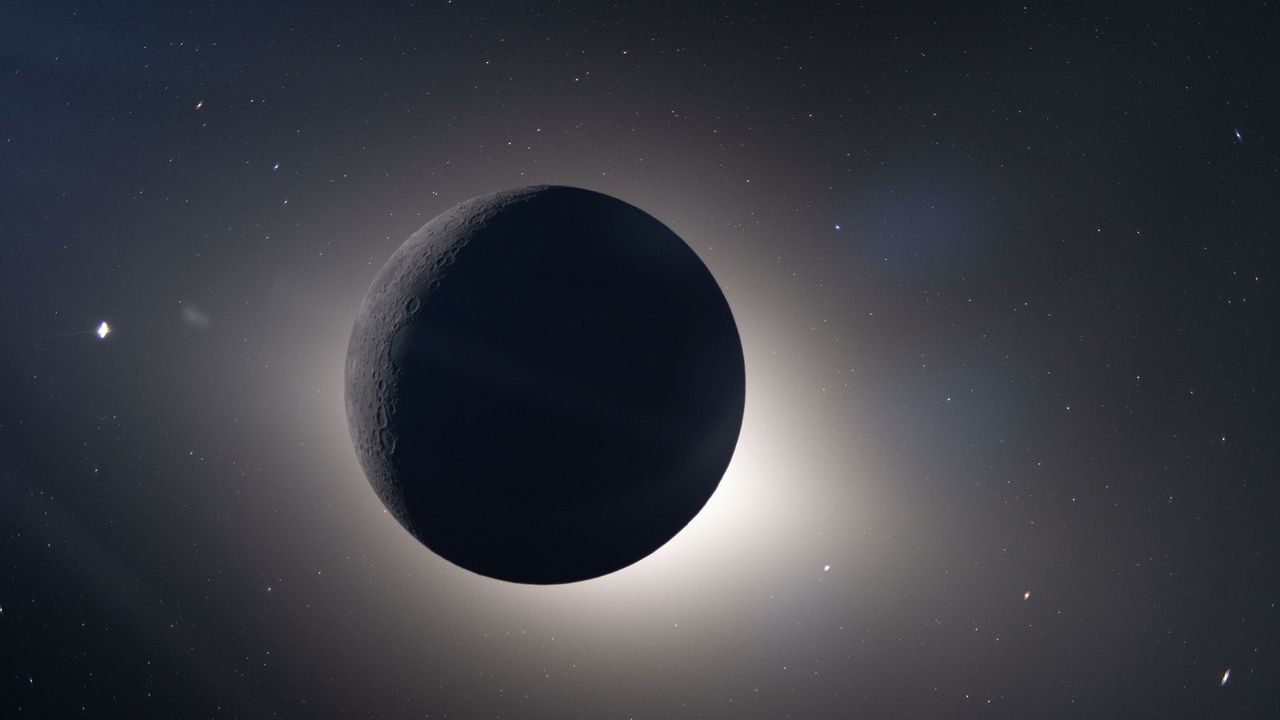
The Artemis II astronauts experienced a profound moment during their recent mission when they witnessed a solar eclipse from space, an event that left them emotionally overwhelmed. During their first visit to Canada since returning to Earth, the crew members shared their firsthand accounts of this extraordinary encounter, describing gasps and exclamations of "oh my God" as they observed the celestial phenomenon.
Astronauts aboard Artemis II orbited Earth during their lunar mission, positioning them uniquely to witness the eclipse from an orbital vantage point unavailable to ground-based observers. From their elevated perspective, the eclipse displayed characteristics impossible to see from Earth's surface. The combination of scientific wonder and the rarity of experiencing such an event in space produced an emotional response among the crew members, with several describing moments that brought them to tears.
The astronauts' testimony adds to the growing body of accounts from space travelers who report profound emotional and psychological responses to viewing Earth and celestial events from orbit. This phenomenon, sometimes referred to as the "overview effect," describes the cognitive shift and emotional transformation astronauts experience when viewing our planet from space.
The Artemis II mission represents a crucial phase in NASA's program to return humans to the Moon. While the primary objectives focused on testing systems and procedures for future lunar operations, unexpected moments like witnessing the eclipse contributed to the mission's broader impact on the astronauts themselves.
The crew's willingness to share these personal experiences during their Canadian visit underscores how space exploration transcends technical achievement. These accounts provide public insight into the human dimension of spaceflight. The astronauts' emotional responses to observing an eclipse from orbit reveal how extraordinary circumstances in space can transform perspective and create lasting psychological impressions that persist long after the mission concludes.