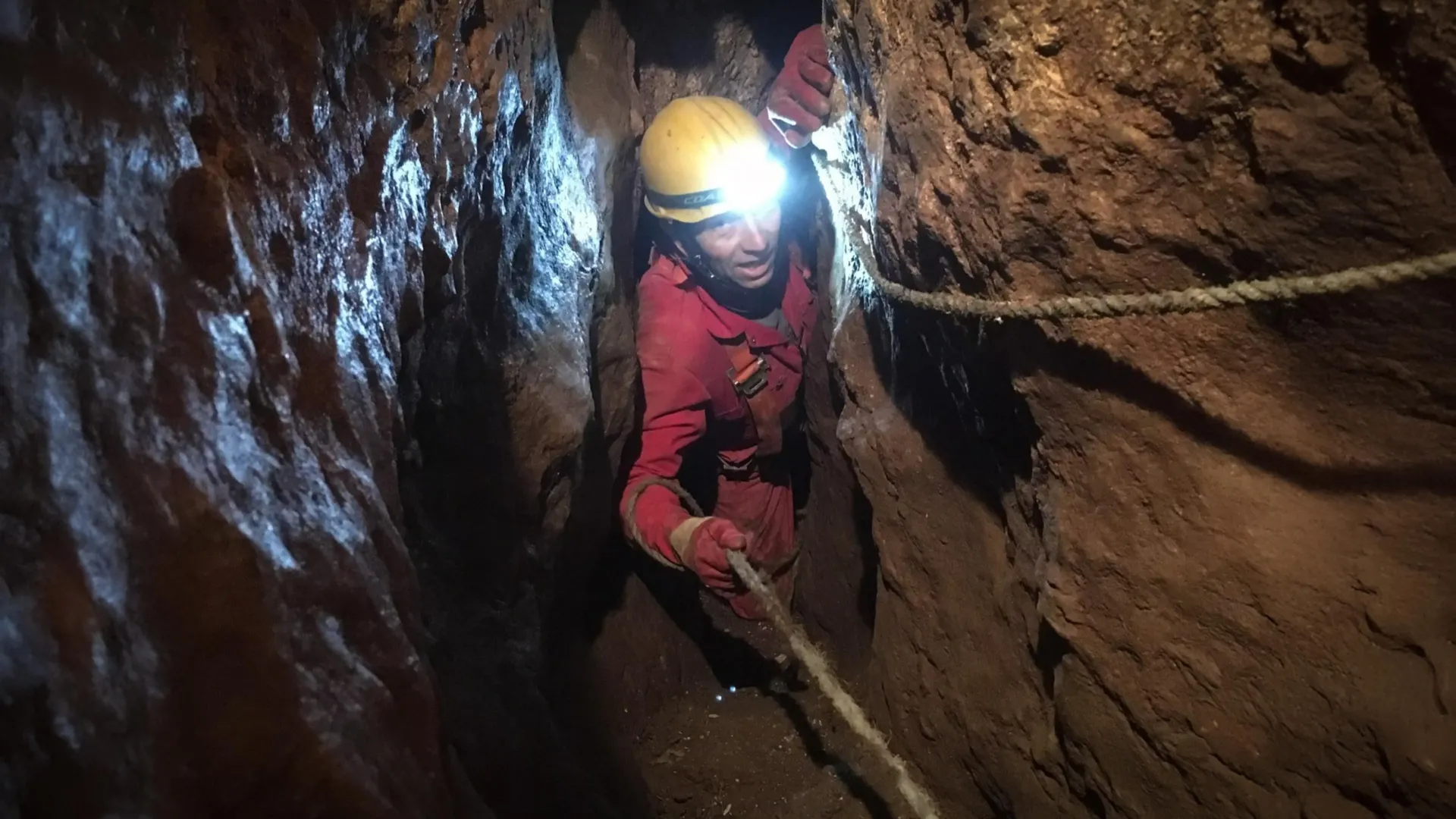
Scientists have identified Britain's oldest known human remains from Northern Britain as a young girl who died around 11,000 years ago. The child, nicknamed the "Ossick Lass" after the Cumbrian cave where she was discovered, was between 2.5 and 3.5 years old at death. Researchers used DNA analysis to determine her age and sex, revealing details about one of Britain's earliest inhabitants during the immediate post-Ice Age period.
The cave contained jewelry and evidence of multiple burials, indicating the site held profound spiritual significance for these Mesolithic hunter-gatherers. The presence of grave goods and careful burial practices suggests these communities possessed complex social structures and rituals around death, despite their mobile hunting-and-gathering lifestyle.
This discovery provides rare insight into early human settlement patterns in Northern Britain following glacial retreat. The Ossick Lass represents a critical window into Mesolithic life, a period poorly understood in the archaeological record. Her remains offer clues about population movement, infant mortality rates, and burial customs among Britain's earliest known inhabitants.
The analysis demonstrates how modern genetic and biomolecular techniques now allow researchers to extract detailed information from fragmentary ancient remains. DNA sequencing can determine not just sex and age but also ancestry, diet, and disease susceptibility. These methods have transformed understanding of prehistoric Britain, revealing connections to continental European populations and migration patterns obscured by millennia.
The spiritual importance of the burial site raises questions about early human psychology and belief systems. The investment in burial goods and ceremonial space suggests these communities viewed death as a significant life event deserving ritual attention, even for young children. Such practices indicate cognitive sophistication and social organization among populations often characterized as simple or primitive.
The Ossick Lass remains one of the earliest securely dated human burials in Britain, making her essential for understanding post-glacial recolonization