Physicists have retracted years of pursuit regarding an anomaly in the muon's behavior that suggested a previously unknown force. The mysterious deviation, long considered evidence against the Standard Model of particle physics, appears instead to stem from errors in theoretical calculations rather than genuine new physics.
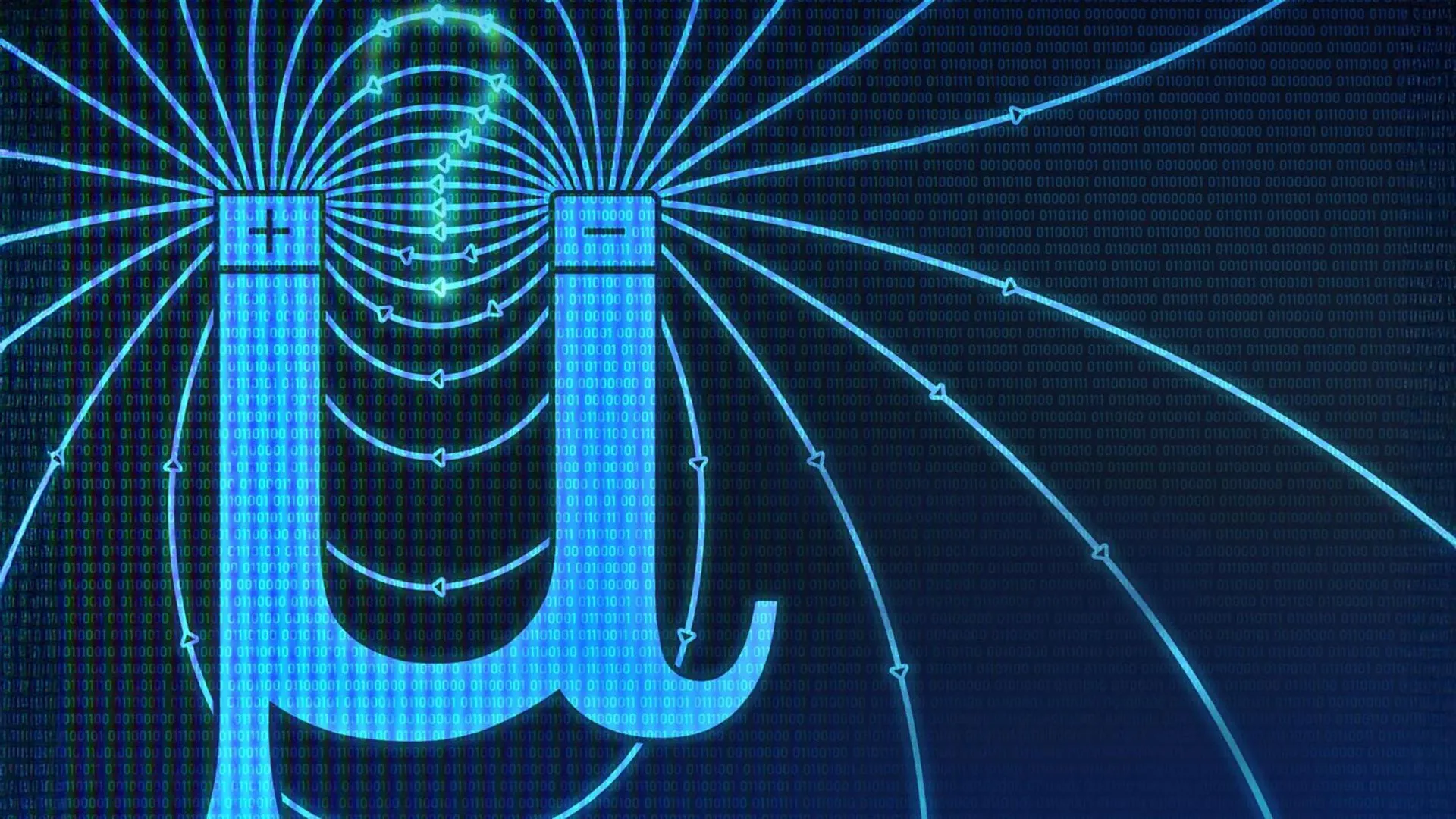
The investigation centered on the muon's magnetic moment, a property that measures how the particle interacts with magnetic fields. Earlier experiments at Fermilab and Brookhaven National Laboratory reported measurements that deviated from Standard Model predictions, suggesting an undiscovered force was at play. This discrepancy excited the physics community, as it hinted at physics beyond the well-established Standard Model.
However, new supercomputer calculations have dramatically shifted the landscape. Researchers recalculated the theoretical value of the muon's magnetic moment with unprecedented precision, using powerful computers to process complex quantum interactions. These revised calculations now align far more closely with the experimental measurements, eliminating the apparent gap that sparked decades of speculation about hidden forces.
This finding represents a humbling moment for particle physics. The quest to detect physics beyond the Standard Model remains one of the field's central pursuits. Anomalies like the muon discrepancy offered tantalizing hints that new particles or forces awaited discovery. The resolution of this particular anomaly does not definitively rule out new physics, but it removes one of the most compelling experimental pieces of evidence.
The supercomputer calculations incorporated refined understanding of quantum electrodynamics and other interactions. Researchers conducted extensive peer review before announcing results, ensuring calculations withstood scrutiny. This methodical approach reinforces the Standard Model's robustness, even as physicists continue searching for its limits through other experimental avenues and theoretical approaches.
The muon remains central to fundamental physics research. Future precision measurements and calculations may yet uncover deviations that persist. For now, the Standard Model continues its remarkable track record of