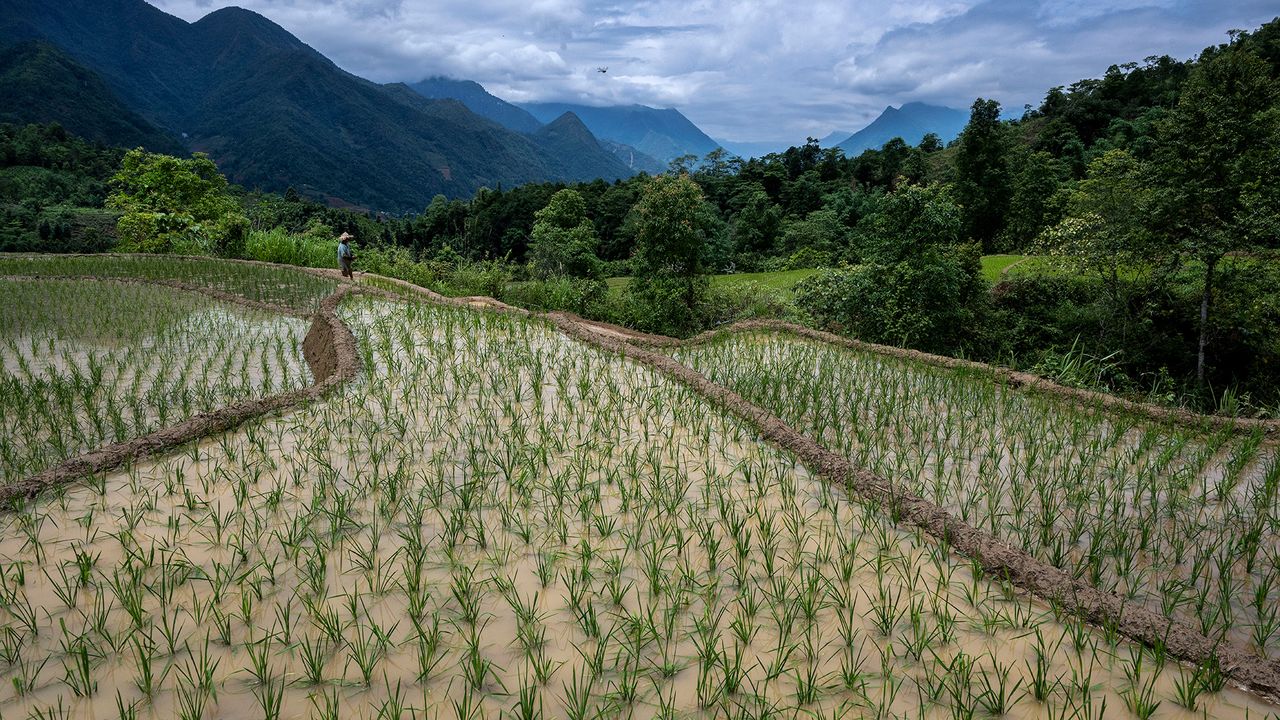
Researchers have discovered that global warming is heating the planet 5,000 times faster than rice can genetically adapt to new environmental conditions. This mismatch between climate velocity and evolutionary pace creates a critical threat to one of the world's most important food crops.
The study examined how quickly rice populations can evolve tolerance to heat and drought through natural selection. Scientists compared this evolutionary rate to current climate change speeds. The results reveal a stark gap: rice evolves adaptive traits at a pace measured in generations spanning centuries, while global temperatures shift dramatically within decades.
This acceleration forces rice cultivation into territory where humans have never successfully grown the crop before. Rising temperatures and shifting precipitation patterns are pushing growing regions toward the equator and to higher elevations, into environments with unknown growing characteristics and pest pressures. Farmers face new diseases, unexpected weather patterns, and soil conditions their traditional varieties cannot handle.
The research underscores a broader problem facing agriculture globally. Major staple crops like wheat, corn, and potatoes face similar evolutionary lag. Selective breeding and genetic engineering offer partial solutions, but these technologies require substantial investment, time, and infrastructure many developing nations lack. Traditional farming communities in Southeast Asia and South Asia, where rice provides dietary staples for billions, face the most immediate pressure.
The study's findings don't suggest rice cultivation will collapse, but rather that passive adaptation through natural evolution cannot keep pace with climate disruption. Active human intervention through crop breeding programs, irrigation infrastructure, and agricultural innovation becomes essential. Without deliberate adaptation strategies, rice yields will decline in major production regions within decades.
This research highlights how climate change threatens food security through mechanisms beyond simple heat stress. The evolutionary window available for crops to adjust naturally has essentially closed for staples that feed billions. Agricultural systems developed over millennia now face conditions their genetics were never selected to handle.