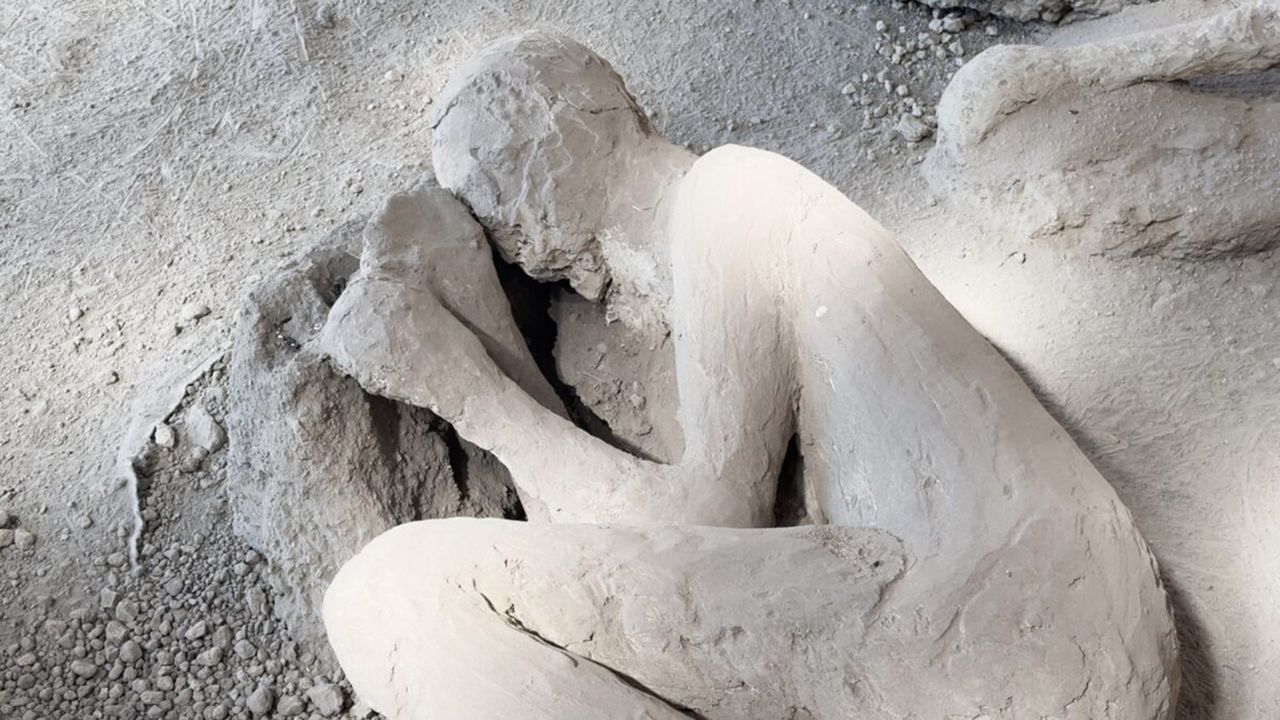
Archaeologists using advanced scanning technology discovered that a man buried in Pompeii during Mount Vesuvius' catastrophic eruption in A.D. 79 carried a medical kit containing surgical instruments. The finding provides rare evidence of professional medical practice in the Roman Empire.
The victim, whose remains were preserved by volcanic ash, was identified through CT and X-ray scans that revealed metal objects associated with his skeleton. Researchers determined these items constituted a doctor's toolkit, likely used for surgical procedures and medical treatments common in Roman medicine.
The kit's contents offer insights into Roman medical knowledge and practice during the 1st century. Such discoveries are uncommon because organic materials and many metal objects decompose over millennia. The volcanic entombment at Pompeii preserved the archaeological context unusually well, allowing researchers to connect the medical instruments directly to the individual who owned them.
This finding reinforces what historians have long understood from ancient texts: Roman physicians practiced sophisticated medicine for their era. They performed surgeries, set broken bones, and treated wounds using instruments similar to those discovered with this victim. The kit demonstrates that medical expertise existed among Pompeii's diverse population before the eruption destroyed the city.
The discovery also highlights how non-invasive scanning technology has revolutionized archaeology. Researchers can now examine artifacts and skeletal remains without destructive excavation, revealing details that traditional methods might miss. This approach allows scientists to study Pompeii's victims while maintaining the integrity of burial contexts.
The medical kit joins other significant finds from Pompeii that illuminate daily Roman life, from food storage to occupational equipment. Each discovery adds texture to understanding how ordinary people lived, worked, and died in this frozen moment of history. This particular case reminds us that medical professionals existed in antiquity and that disease, injury, and the need for healing transcend historical eras.