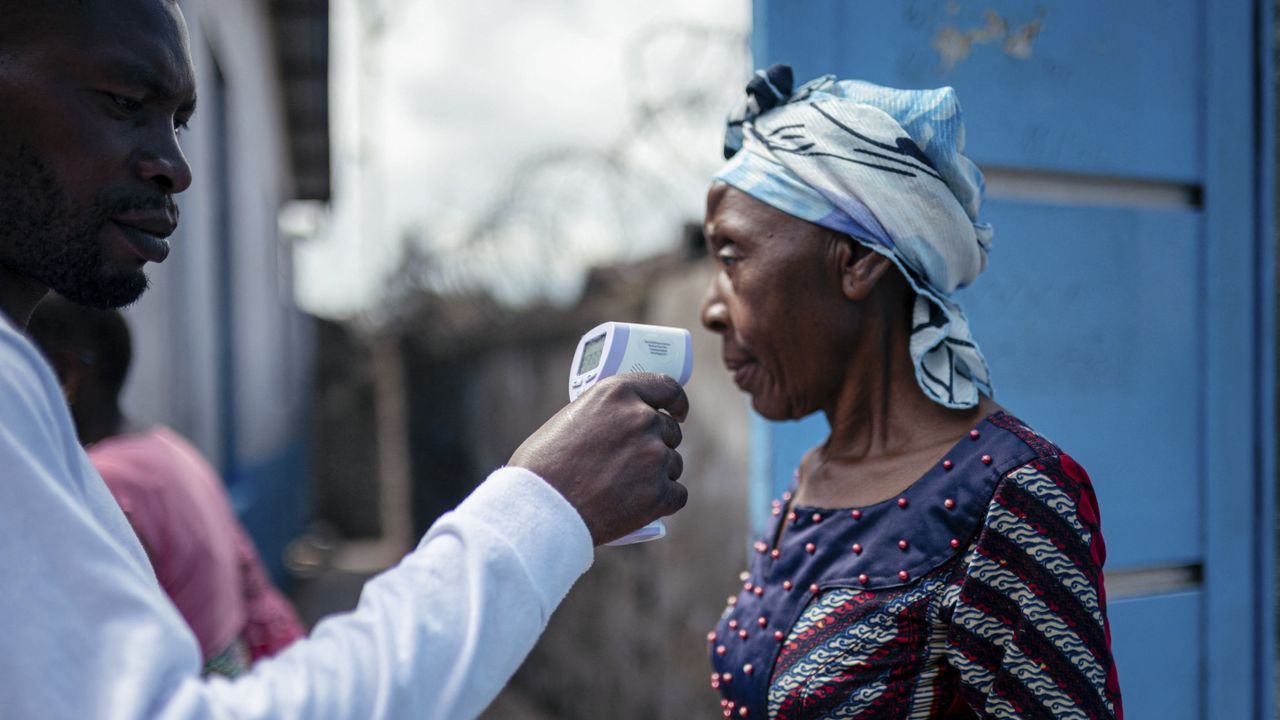
The World Health Organization declared an Ebola outbreak in the Democratic Republic of the Congo a public health emergency of international concern after health officials confirmed approximately 100 deaths. The declaration triggers coordinated global response protocols and alerts countries worldwide to prepare for potential spread.
Ebola virus disease kills between 25 percent and 90 percent of infected people, depending on the strain and available medical care. The DRC has experienced multiple Ebola outbreaks since 1976, when the virus first emerged near the Ebola River in what was then Zaire. Previous outbreaks in the country have tested healthcare systems and international response capabilities.
The WHO's emergency declaration reflects heightened concern about transmission risk and the outbreak's trajectory. The organization uses this classification when a disease poses a serious public health threat requiring a coordinated international response. Such declarations activate emergency funding, mobilize technical experts, and coordinate border screening and surveillance efforts across nations.
The DRC faces particular challenges containing Ebola due to ongoing conflict in affected regions, limited healthcare infrastructure, and community mistrust of medical interventions. Previous outbreaks have shown that violence against health workers and health facilities disrupts vaccination campaigns and contact tracing efforts. Misinformation about treatments has also complicated containment in some communities.
The emergency declaration typically prompts increased vaccine availability through international stockpiles and accelerated shipments of diagnostics and personal protective equipment. Countries neighboring the DRC and those with significant travel connections implement enhanced screening at borders and airports.
Healthcare workers represent a high-risk group during Ebola outbreaks. Proper infection control measures, including appropriate personal protective equipment and isolation protocols, remain essential for preventing transmission in clinical settings. Early detection and supportive care, including fluid replacement and maintaining blood oxygen and blood pressure, improve survival rates considerably.
The international health community will monitor case numbers, geographic spread, and vaccination progress closely. Rapid response during the