# Star Wars' Theatrical Dominance Faces Erosion as Disney Shifts to Streaming
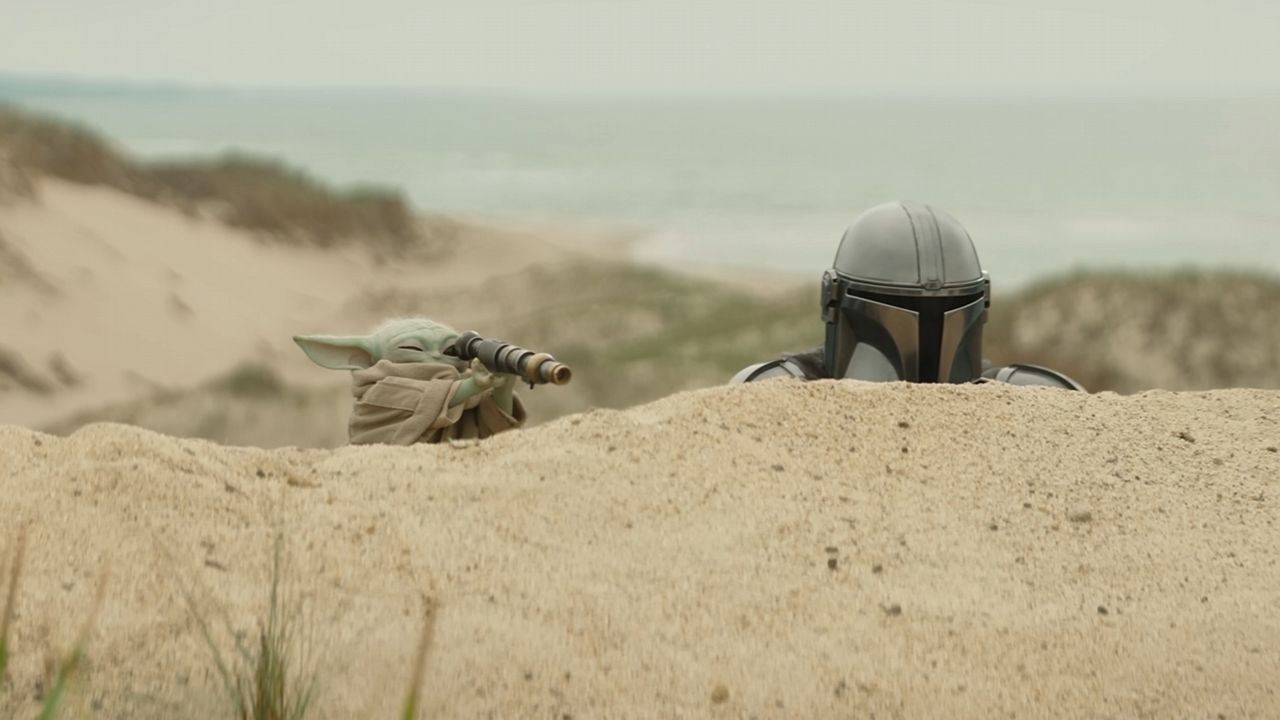
"The Mandalorian and Grogu" arrives as a theatrical film after years of Star Wars content saturating Disney+. The franchise's move onto smaller screens has fundamentally altered how audiences perceive Star Wars as a cinematic event, according to industry observers.
Star Wars historically commanded massive box office appeal and cultural cachet tied to theatrical releases. The original trilogy and prequel films created a tradition of shared, communal viewing experiences. Disney's acquisition of Lucasfilm in 2012 initially sustained this model through theatrical releases like "The Force Awakens" and "The Last Jedi," which grossed billions worldwide.
The franchise's strategy shifted dramatically under Disney's stewardship. Streaming series like "The Mandalorian," "Obi-Wan Kenobi," "Ahsoka," and "The Acolyte" flooded Disney+ with Star Wars content. This oversaturation raised questions about whether theatrical releases could still generate the excitement that defined earlier eras.
Box office performance data supports concerns about audience fatigue. Recent Star Wars theatrical releases underperformed compared to pre-Disney numbers. "The Rise of Skywalker" earned significantly less than "The Force Awakens," despite similar marketing pushes. Subsequent projects faced declining returns.
Industry analysts note that the abundance of streaming content fragmented the fanbase. Casual viewers now sample Star Wars casually on their televisions rather than committing to theatrical experiences. The franchise lost exclusivity and scarcity, two elements that historically drove multiplex attendance.
"The Mandalorian and Grogu" represents an experiment in reversing this trend. By bringing Din Djarin and Grogu back to theaters, Disney tests whether careful, strategic theatrical releases can restore Star Wars'