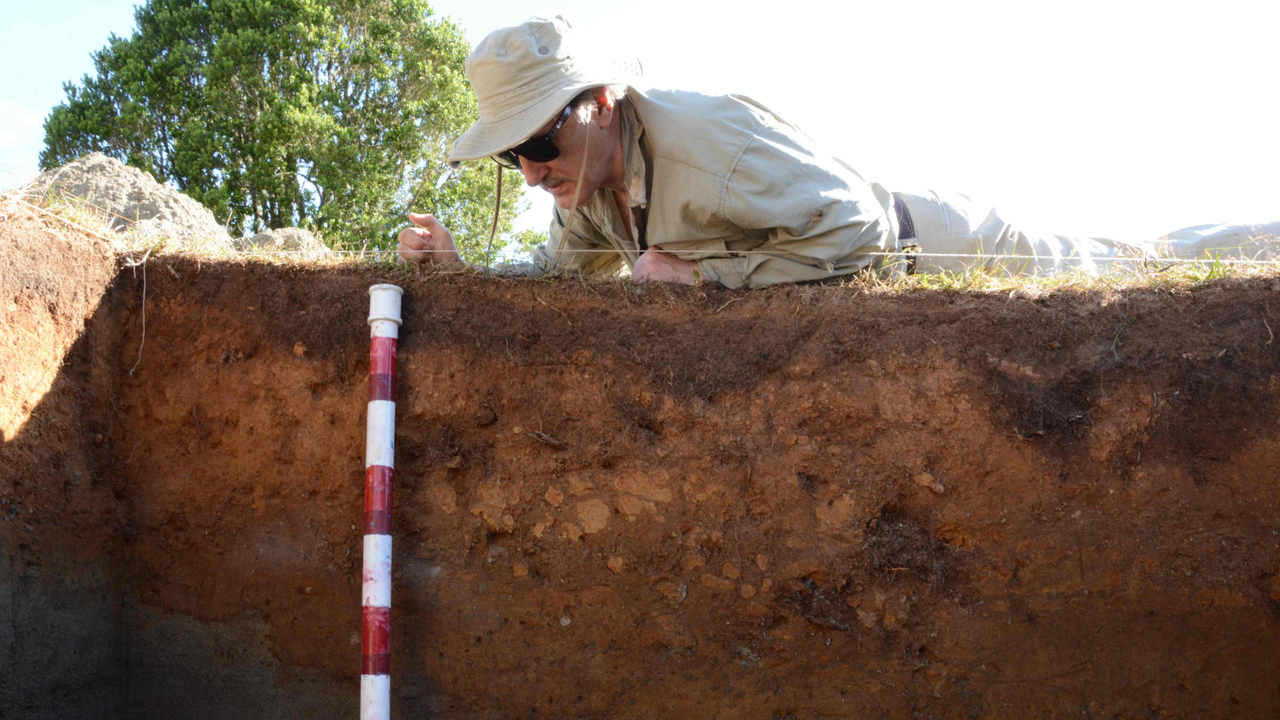
Thirty researchers have published sharp critiques in *Science* challenging a controversial study that questioned the age of Monte Verde, one of the Americas' oldest known human settlements. The site in Chile, located in the Llanquihue Province near Puerto Montt, has been dated to approximately 14,500 years ago, making it crucial evidence for understanding early human migration to the Americas.
A recent paper in *Science* proposed Monte Verde is significantly younger than this established timeline, sparking coordinated backlash from the archaeological and paleontological community. The response letters accuse the authors of speculation and methodological failures in their analysis of the site's chronology.
Monte Verde gained prominence in the 1990s when archaeologist Tom Dillehay's excavations uncovered stone tools, wooden structures, and medicinal plants preserved in peat, pushing back the accepted timeline for human presence in South America. The site challenged the long-dominant Clovis-first model, which held that the first Americans arrived roughly 13,000 years ago via the Bering Strait.
The new study's claims triggered immediate concern among researchers who have studied Monte Verde extensively. The published critiques suggest the authors made errors in their radiocarbon dating methodology and misinterpreted stratigraphic data. Multiple researchers emphasized that the original excavations and subsequent analyses by Dillehay and collaborators documented careful contextual evidence that the recent paper overlooked.
This clash reflects deeper tensions in American archaeology about how to evaluate early site claims. Monte Verde remains contested among some scholars who argue its dates remain unproven, while others view it as definitively established through multiple dating techniques including radiocarbon analysis and luminescence dating.
The debate underscores the challenge of establishing settlement chronologies from ancient sites, where preservation, contamination, and dating accuracy all affect conclusions. The coordinated response suggests broad agreement among leading