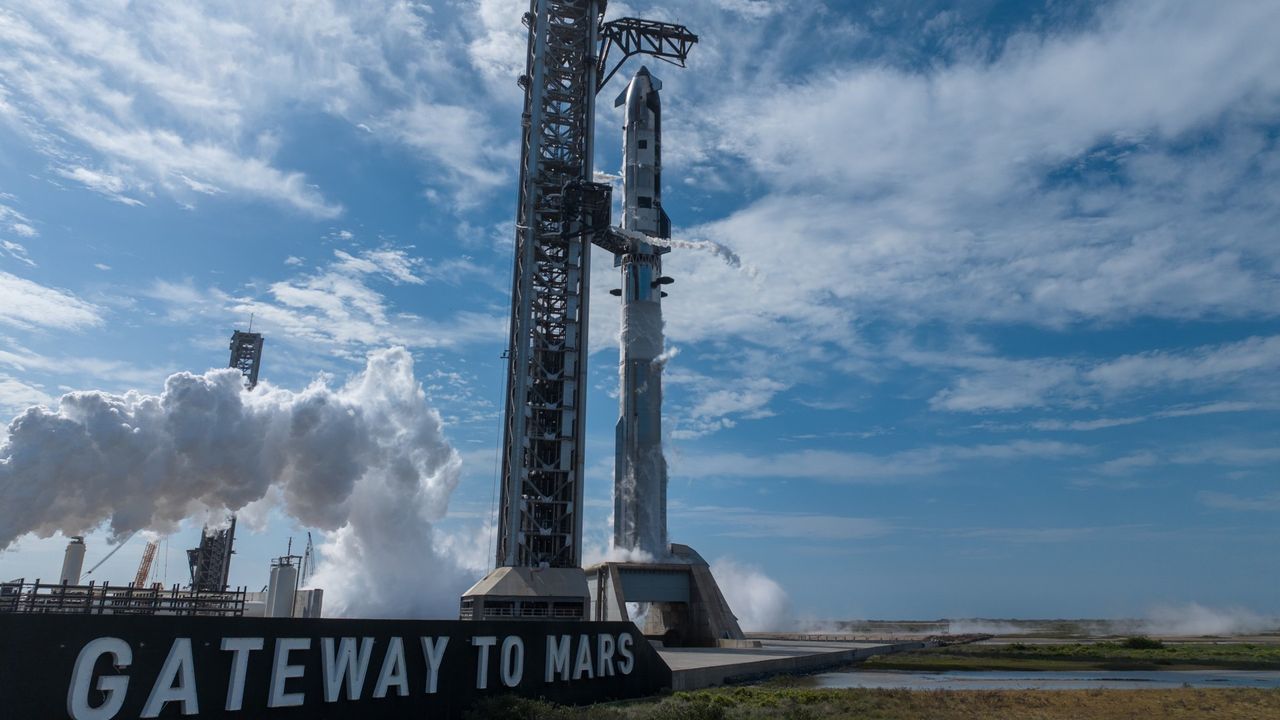
SpaceX has scheduled May 20 for the maiden flight of its upgraded Starship V3 megarocket, marking the first test of the redesigned vehicle. The company has not yet revealed specific details about what improvements the V3 incorporates compared to earlier iterations, though the designation indicates substantial engineering changes to the massive launch system.
This flight, officially called Integrated Flight Test 7 (IFT-7), represents a continuation of SpaceX's rapid testing cadence for Starship. The company has conducted multiple integrated flight tests over the past year, progressively pushing the vehicle's capabilities and identifying design refinements needed for eventual lunar missions and Mars exploration plans.
The V3 designation typically signals upgrades across multiple systems, potentially including improvements to the Super Heavy booster, the Starship upper stage, or both. SpaceX often modifies heat shielding, avionics, propellant handling systems, and structural elements between major version updates based on data collected from previous flights.
Previous Starship test flights have demonstrated increasingly impressive results, including booster catch attempts at the launch tower and extended burn durations in space. Each flight provides crucial telemetry that engineers use to refine the vehicle for operational use.
The scheduled May 20 launch window reflects SpaceX's aggressive development timeline. The company expects to conduct multiple Starship tests annually as it works toward the goal of supporting NASA's Artemis lunar program and eventually enabling crewed missions to Mars.
Launch attempts remain subject to regulatory approval, weather conditions, and technical readiness assessments. SpaceX's Starbase facility in Boca Chica, Texas, serves as the primary test site for Starship development activities.
The V3 test comes as SpaceX continues operating its Falcon 9 rocket for commercial and government missions, dividing resources between maintaining operational launch capacity and