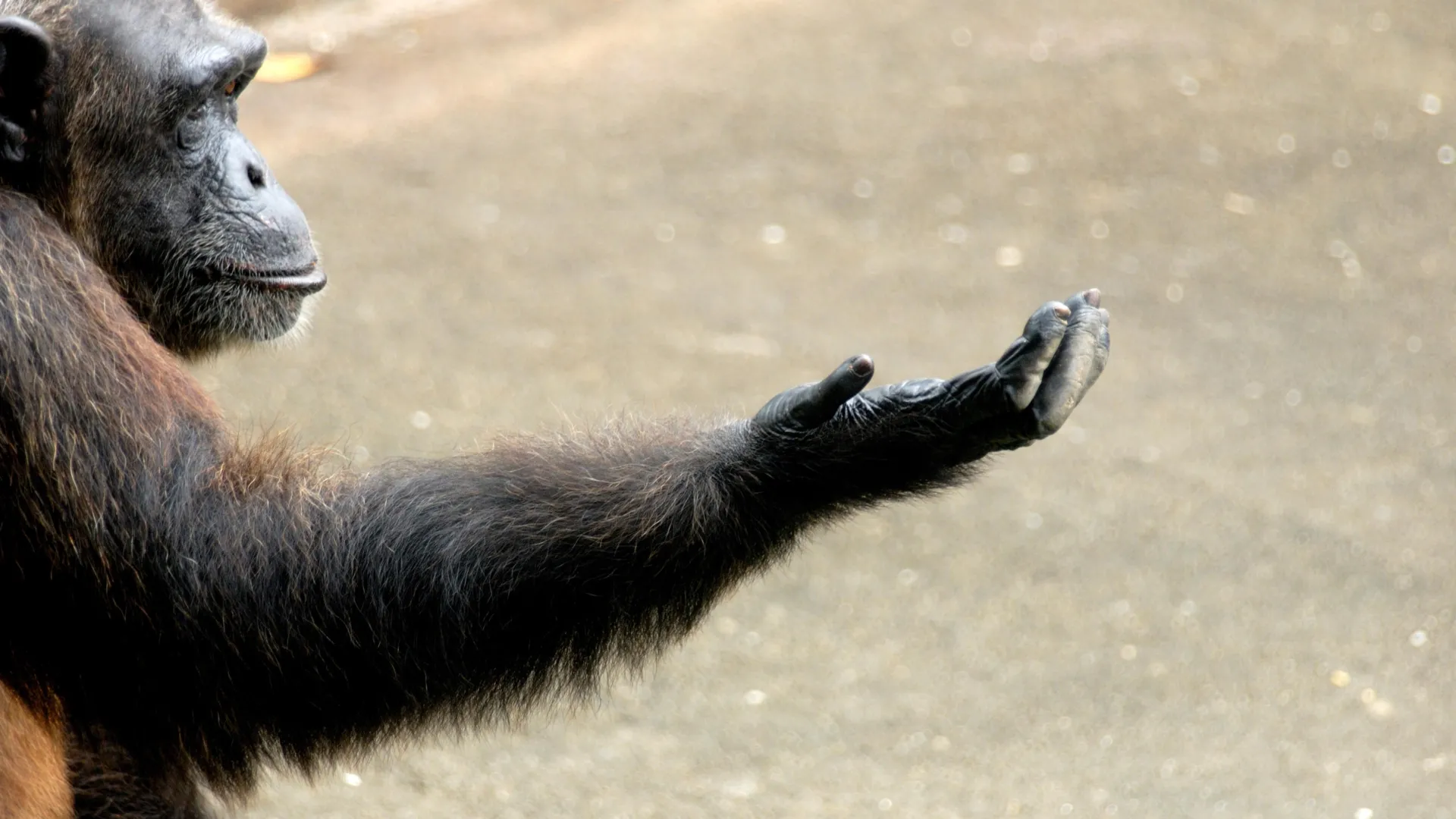
Researchers have identified the evolutionary drivers behind human right-handedness, linking the trait to two major biological transitions in our ancestors.
A new study connects the development of right-hand dominance to bipedalism and brain expansion. As human ancestors shifted to walking upright on two legs, their hands became freed for other tasks. Simultaneously, their brains grew substantially larger. These changes worked together to intensify an initial mild preference for the right hand into the pronounced handedness we observe today.
The research reveals that right-handedness did not emerge as a sudden trait but rather intensified gradually over evolutionary time. Early human ancestors likely showed only a weak preference for their right hand. As bipedalism became more established and brain size increased, this tendency strengthened progressively, eventually making right-handedness one of humanity's most characteristic features.
The timing of this shift aligns with major evolutionary milestones in the human lineage. Walking upright freed the hands from locomotion, allowing them to specialize in tool use, manipulation, and other complex tasks. The expanding brain provided the neural architecture necessary to coordinate increasingly sophisticated right-hand-dominant behaviors and motor control.
Approximately 90 percent of modern humans are right-handed, making left-handedness relatively rare. This study explains why such a strong bias exists by tying it directly to fundamental changes in human anatomy and neurology rather than treating it as an arbitrary cultural preference.
The research underscores how interconnected different aspects of human evolution truly are. Rather than viewing bipedalism, brain expansion, and hand preference as separate developments, this work demonstrates they emerged as linked evolutionary adaptations. Each change reinforced and built upon the others, producing the distinctive human phenotype we recognize today.
The study provides a biological framework for understanding not just handedness but the broader neurological and physical changes that define our species. Future research may reveal whether similar evolutionary pressures shape hand preference