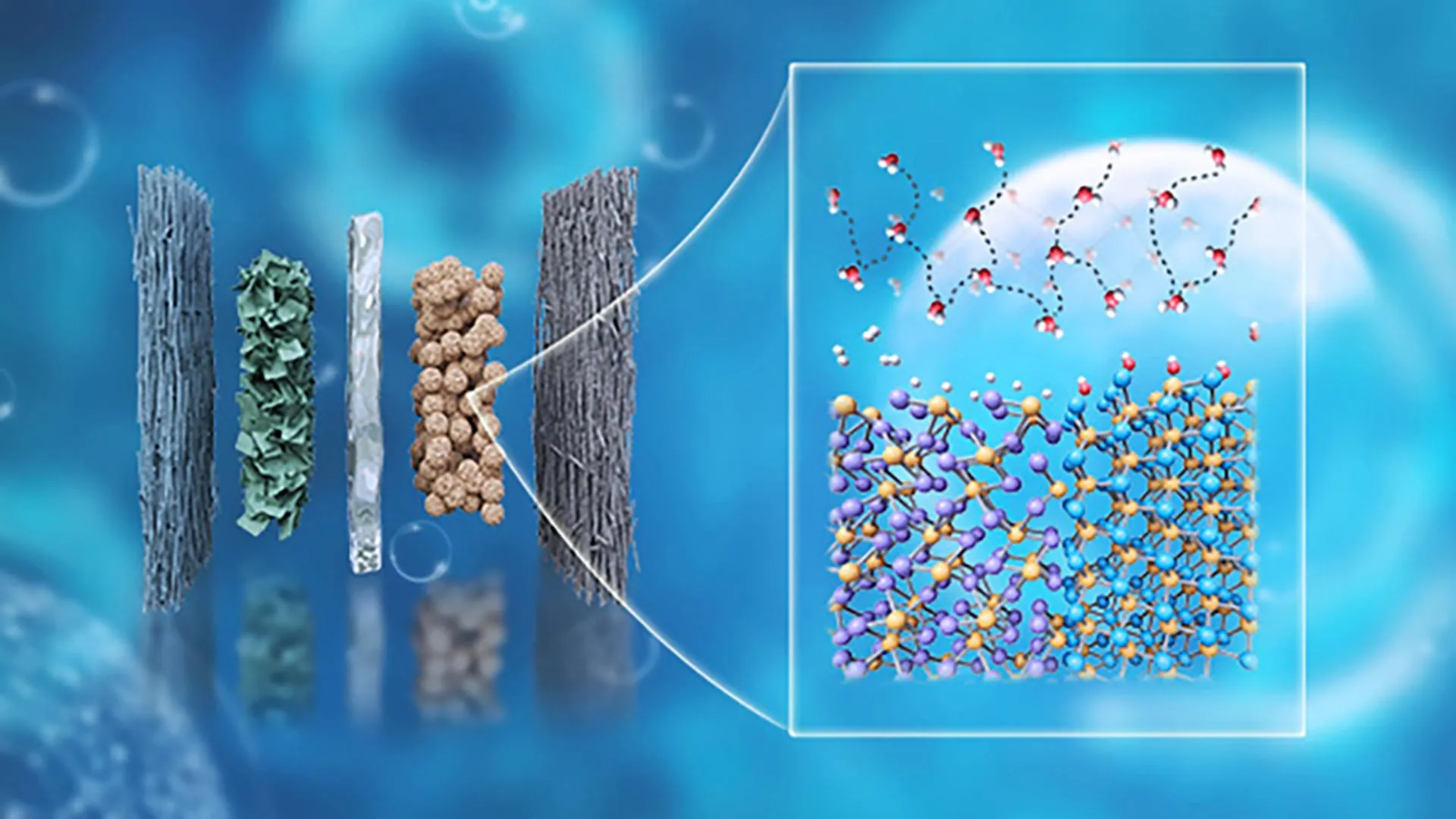
Researchers have developed a durable catalyst that produces clean hydrogen without platinum, potentially lowering costs for renewable hydrogen fuel production. The new material addresses one of the major barriers to scaling hydrogen as a clean energy source, where platinum catalysts have long dominated water-splitting technology but remain prohibitively expensive.
The catalyst maintains durability and efficiency while replacing rare and costly platinum with more abundant materials. This advancement tackles a critical bottleneck in the hydrogen economy, where electrolysis has proven effective but financially impractical at scale due to catalyst expenses.
Hydrogen fuel produces only water vapor as emissions, making it attractive for decarbonizing heavy industry, transportation, and power generation. However, generating hydrogen through electrolysis has remained limited to niche applications because platinum catalysts can cost thousands of dollars per gram. The new approach uses earth-abundant elements, dramatically reducing material costs while maintaining the electrochemical performance needed for practical deployment.
The durability factor matters equally. Many cheaper alternatives to platinum degrade quickly under operating conditions, requiring frequent replacement and negating cost savings. This catalyst resists degradation over extended operational periods, making it viable for continuous industrial use.
Scaling hydrogen production requires overcoming both technical and economic hurdles simultaneously. The development opens pathways toward competitive hydrogen pricing compared to fossil fuel-based hydrogen production, which currently dominates global supply. Industrial facilities, refineries, and ammonia plants could transition to cleaner hydrogen sources if production costs drop sufficiently.
The research represents progress toward making green hydrogen a commercially viable alternative to gray hydrogen produced from natural gas. Full commercialization requires pilot-scale testing and integration with existing industrial infrastructure, but the catalyst's performance suggests genuine potential for deployment within the next several years.