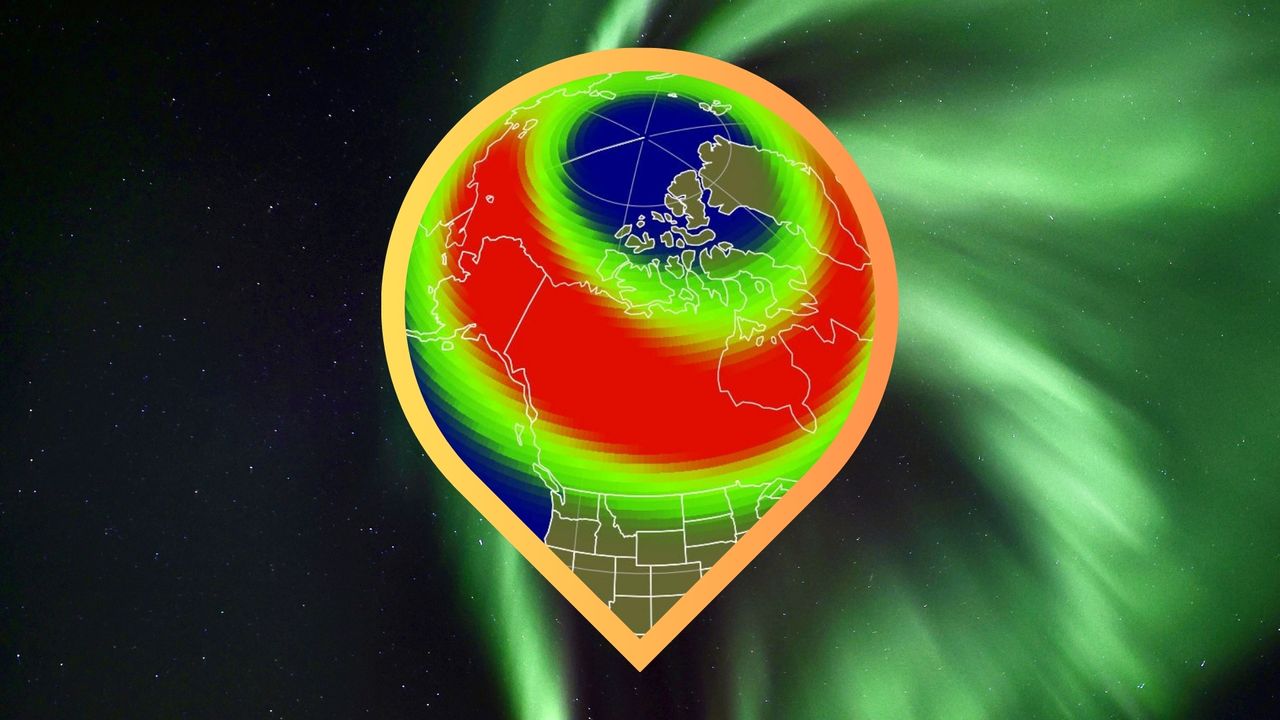
Three coronal mass ejections are racing toward Earth, creating the potential for geomagnetic storms strong enough to bring northern lights to multiple U.S. states through May 20.
The National Oceanic and Atmospheric Administration's Space Weather Prediction Center forecasts up to three glancing impacts from the CMEs, which could trigger G1 and possibly G2 level geomagnetic storms. G1 storms represent the mildest category on the five-tier scale, while G2 storms fall one level higher. Even at these moderate levels, aurora displays become visible across parts of the northern United States.
Coronal mass ejections occur when the sun releases billions of tons of plasma and magnetic field into space. When directed toward Earth, they compress the planet's magnetosphere and energize charged particles, producing the shimmering green, red, and purple lights characteristic of auroras.
The timing of multiple CME arrivals compounds the storm potential. Each impact pushes additional energy into Earth's magnetosphere, potentially sustaining or intensifying geomagnetic activity. Space weather forecasters track arrival times and trajectories carefully, as even minor variations affect which regions experience visible aurora activity.
Aurora visibility depends on several factors beyond geomagnetic storm strength. Clear skies remain essential. Light pollution from cities and towns reduces visibility, so observers in rural areas north of major population centers stand the best chance. The storms' timing also matters. Aurora displays strengthen after local midnight and peak in the hours before dawn, when the observer's location faces the magnetosphere's most disturbed region.
Historical aurora forecasts show that G1 storms frequently produce displays visible from northern states like Minnesota, Wisconsin, and Maine. G2 storms can push aurora sightings further south, occasionally reaching as far as Pennsylvania or northern Missouri under favorable conditions.
Observers planning to chase the aurora should check real-time aurora forecasts through