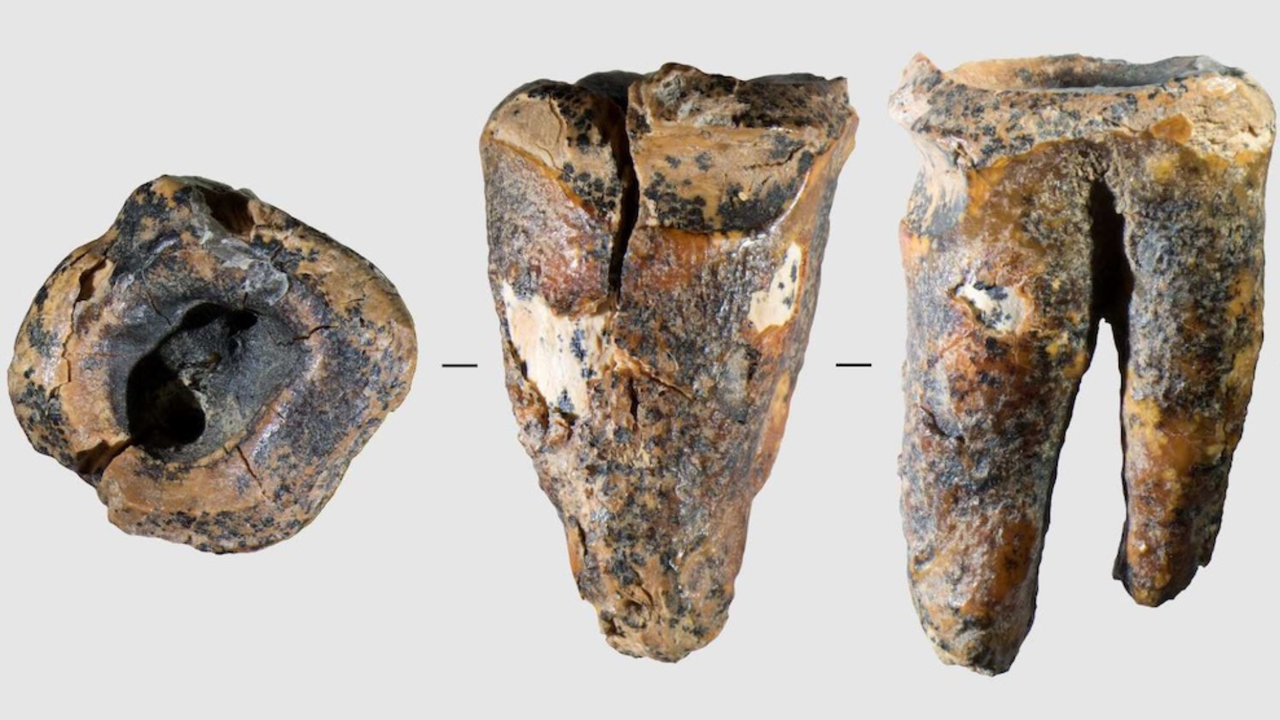
Researchers have discovered the oldest evidence of intentional dentistry in the fossil record. A Neanderthal tooth excavated in Siberia and dated to 60,000 years ago bears a hole that experts believe was drilled deliberately using a stone tool.
The tooth, found at an archaeological site in Siberia, shows clear signs of deliberate drilling rather than natural decay or wear. The hole's edges and shape indicate precise, repeated application of a pointed stone implement. This practice predates the previously documented oldest examples of human dentistry by tens of thousands of years.
The discovery challenges assumptions about Neanderthal cognitive abilities and cultural sophistication. Creating a drilled hole in a tooth required planning, manual dexterity, and pain tolerance. The individual who underwent this procedure either sought to relieve dental pain or engaged in decorative modification of their teeth. Either interpretation demonstrates abstract thinking and care for personal appearance or health.
Neanderthals occupied Europe and western Asia from roughly 430,000 to 40,000 years ago, overlapping with early modern humans. Archaeological evidence increasingly reveals they possessed more complex behaviors than scientists previously credited them with, including tool use, art creation, and possibly language. This dental work adds another layer to their behavioral toolkit.
The hole's location and depth suggest the drilling was not accidental. Stone drills could produce such marks through careful application and rotation. No evidence of infection appears around the hole, indicating the tooth belonged to an individual who survived the procedure for some time afterward.
The finding comes from ongoing excavations in Siberia, where permafrost preservation has maintained exceptional fossil conditions. Russian and international teams analyzed the tooth using high-resolution imaging and comparison with known drill marks on other archaeological specimens.
While the sample size consists of a single tooth, the evidence appears compelling enough that researchers now classify this as deliberate dental intervention. Future discoveries in Siberia