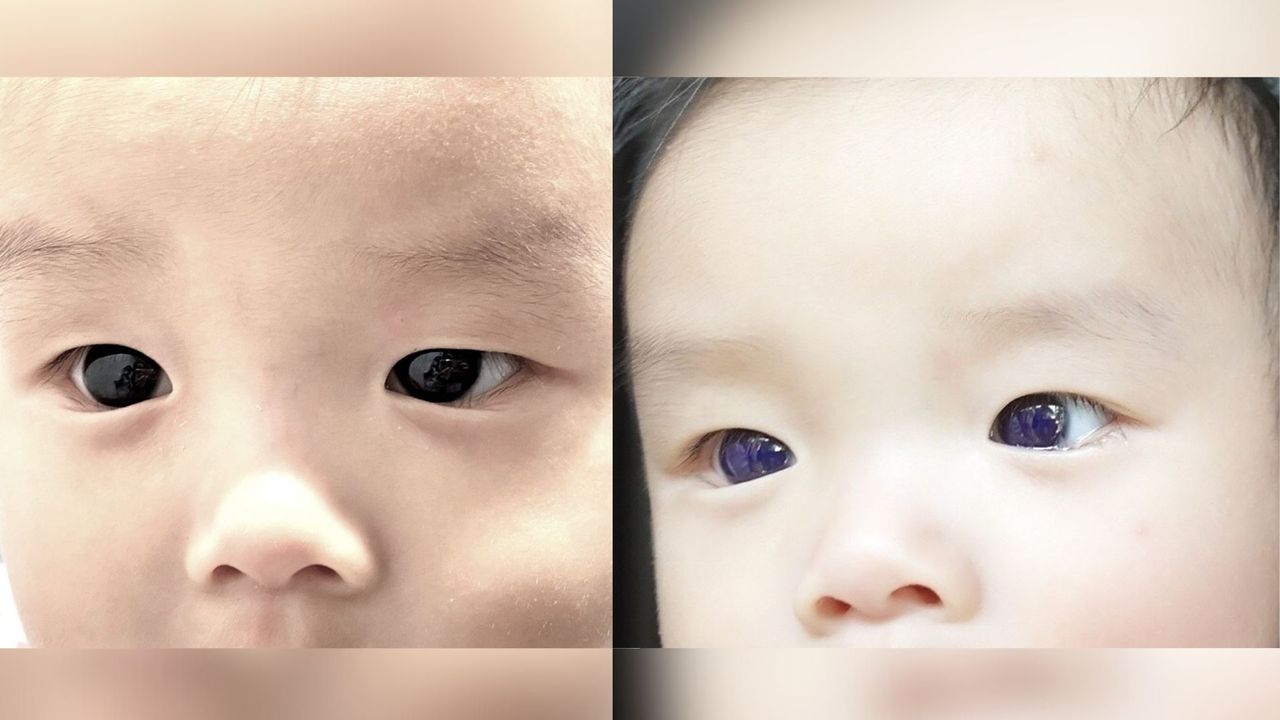
A newborn developed striking indigo-colored eyes after receiving remdesivir, an antiviral medication used to treat COVID-19, according to a rare clinical case report. The infant's eyes shifted from their natural brown color during hospitalization, presenting doctors with an unusual diagnostic puzzle.
Remdesivir, manufactured by Gilead Sciences, serves as a broad-spectrum antiviral agent approved for treating severe COVID-19 infections. The drug works by inhibiting viral RNA polymerase, effectively blocking viral replication. While remdesivir has proven efficacy against SARS-CoV-2, documented side effects typically involve liver function changes and kidney complications rather than ocular pigmentation alterations.
The eye color change occurred after the infant received the standard remdesivir protocol as part of COVID-19 treatment. The transformation from brown to indigo represents an extraordinarily rare adverse reaction, one that clinicians had not previously documented in medical literature. Healthcare providers monitoring the patient noted the progressive pigmentation shift during the course of treatment.
Medical teams evaluated whether the color change reflected actual chemical alteration of iris pigmentation or represented a different physiological mechanism. Remdesivir's chemical composition and metabolic pathways do not obviously explain melanin dysregulation in ocular tissue. The case raised questions about whether underlying metabolic factors, drug interactions, or individual genetic susceptibilities contributed to this atypical response.
The incident highlights how antiviral medications developed and tested in adults can produce unexpected reactions in neonatal populations. Infants have immature metabolic systems, different drug distribution patterns, and unique pharmacokinetic profiles compared to older patients. What manifests as manageable side effects in adults may trigger different physiological responses in vulnerable populations.
Documenting unusual cases like this one expands clinical knowledge and alerts healthcare providers to rare possibilities. Medical journals publishing such reports create records that help