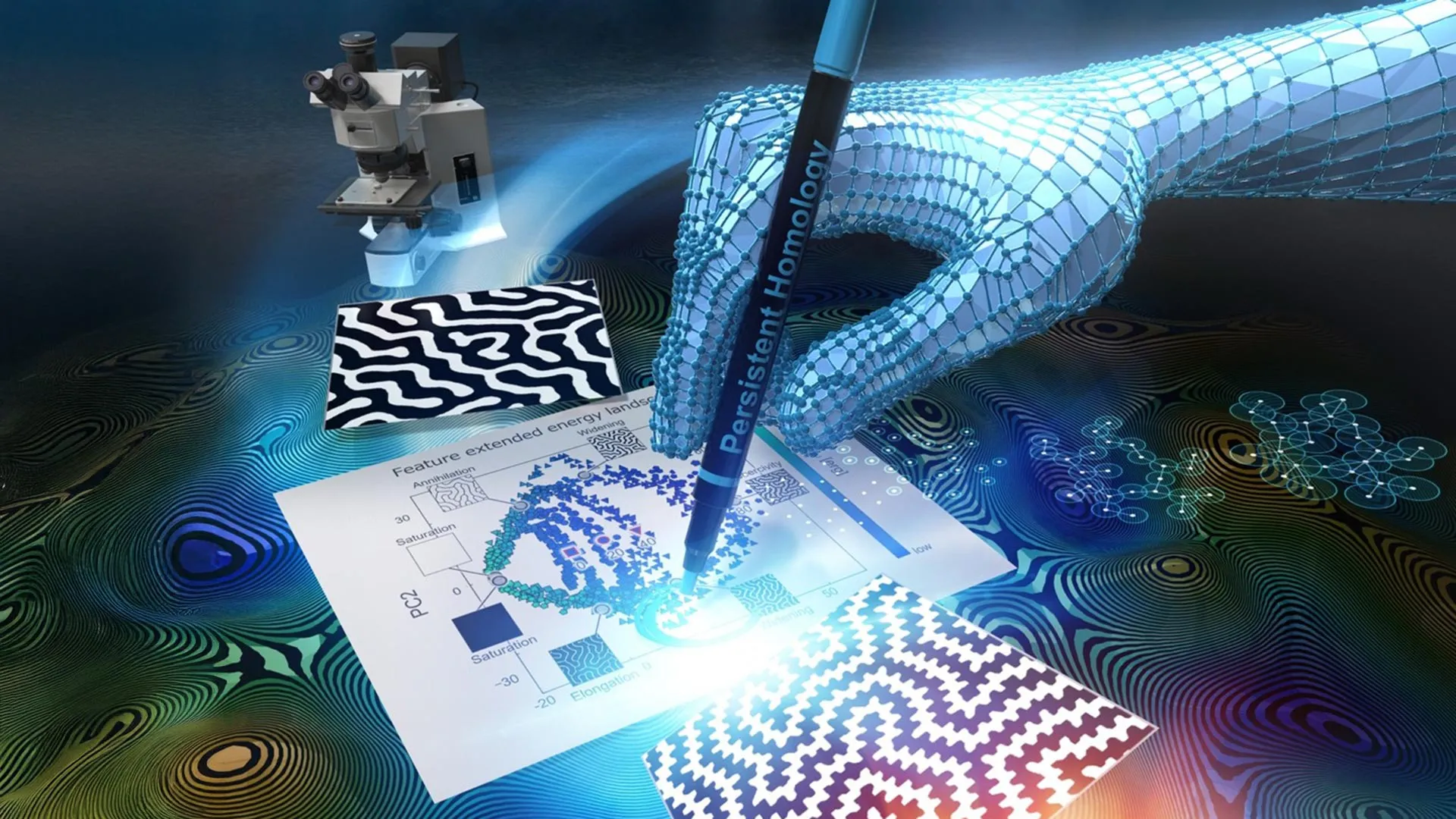
Researchers at Japanese institutions have deployed artificial intelligence to solve a longstanding efficiency problem in electric motors: magnetic energy loss that drains performance in electric vehicles.
Electric motors waste energy through magnetic phenomena invisible to conventional measurement techniques. Inside motor materials, microscopic magnetic structures create complex, chaotic patterns that generate heat and squander electrical energy. Engineers have struggled to predict and control these losses because the underlying physics operates at scales and speeds difficult to observe directly.
The new AI-driven physics model combines machine learning with fundamental electromagnetic theory to map these "maze-like" magnetic patterns in real time. By training algorithms on physics principles governing magnetic behavior, the researchers created a system that predicts energy loss without requiring exhaustive experimental measurements.
This approach matters for electric vehicles because motor efficiency directly impacts battery range and charging times. A motor losing 5-10 percent of input energy to magnetic chaos represents meaningful performance degradation at scale across millions of vehicles. Reducing these losses through better material design and motor architecture could extend vehicle range significantly without increasing battery size.
The AI model reveals how heat generation and microscopic magnetic domain structures interact to create energy waste. Rather than treating magnetic loss as an unexplainable black box, the system provides engineers with actionable insights into which design changes reduce chaotic magnetism and improve efficiency.
The research builds on decades of work understanding magnetic loss in electrical steels and soft magnetic materials. Previous approaches relied on limited measurements at specific conditions. This physics-informed AI captures behavior across broader operating ranges and material compositions.
The technique also applies beyond electric vehicles. Industrial motors, transformers, and power generation equipment all suffer from similar magnetic losses. Better prediction tools could improve efficiency across the entire electrical infrastructure.
The researchers note their model requires validation against real-world motor performance data. Laboratory results do not always translate directly to production systems operating under variable temperature and stress conditions. Scaling the approach to commercial applications requires integration with existing motor design workflows and