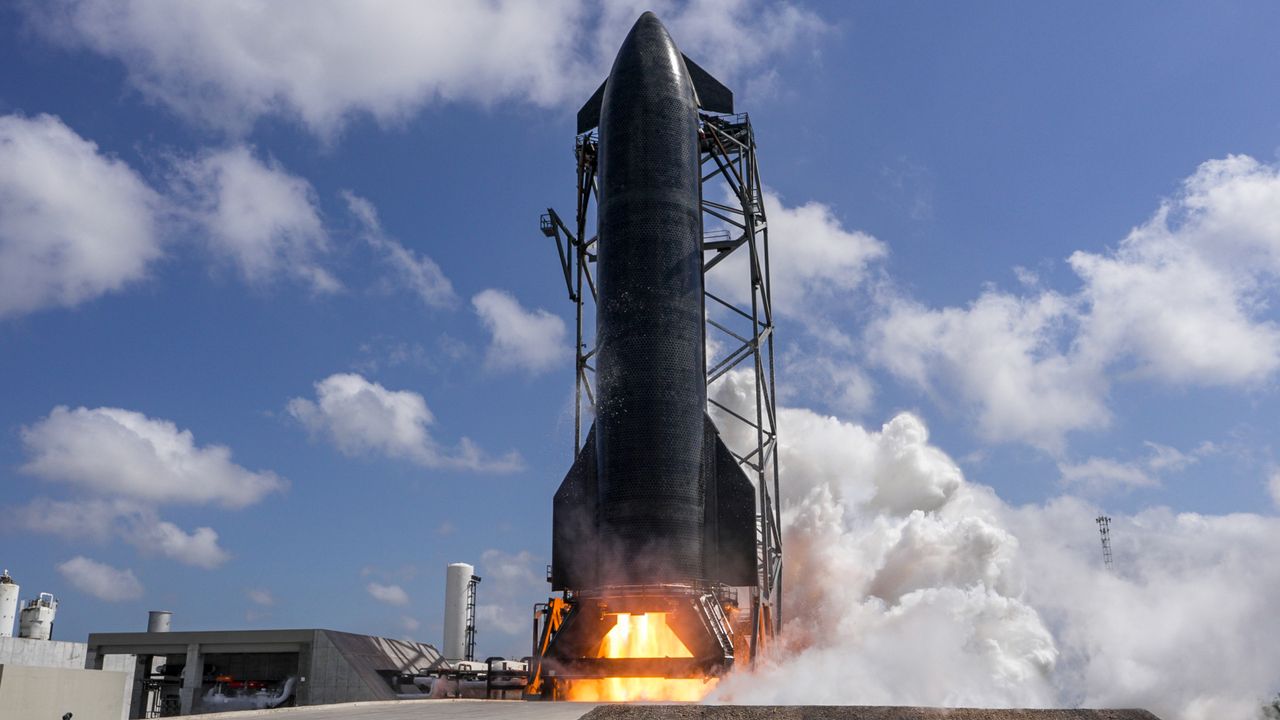
SpaceX plans to launch its upgraded "V3" Starship megarocket next week, marking the vehicle's maiden flight with an unprecedented in-space demonstration. The company has not disclosed specific details about what this novel maneuver will entail, though the mission name references the rocket taking "a good look at itself," suggesting an internal inspection or self-documentation capability.
The V3 designation indicates a major evolution from previous Starship iterations. SpaceX has systematically improved the vehicle through multiple test flights, each building on lessons learned from prior missions. Earlier flights focused on basic flight mechanics, booster catch attempts, and incremental payload demonstrations. Flight 12 appears to mark a shift toward testing more complex operational procedures.
The exact nature of the in-space action remains unclear from available information. Possibilities could include autonomous camera systems documenting the vehicle's exterior condition, testing separation sequences between stages, or executing maneuvers previously untested in operational Starship missions. SpaceX routinely uses flight tests to validate new systems before deploying them in actual missions.
This flight occurs as SpaceX accelerates Starship development toward eventual lunar and Mars missions. NASA selected Starship as the lunar lander for its Artemis program, creating timeline pressure to demonstrate the vehicle's reliability. Each successive test flight provides data essential for certifying the rocket for crewed missions.
The V3 improvements likely address issues identified during earlier test flights, which have included booster catch successes, stage separation challenges, and reentry thermal management. Engineering refinements typically focus on structural robustness, avionics systems, and propellant management in the upper stage.
SpaceX's approach of frequent, rapid-iteration testing contrasts with traditional aerospace development. By flying often and learning from each mission, the company aims to accelerate the development timeline while managing technical risk through incremental complexity increases rather than rel