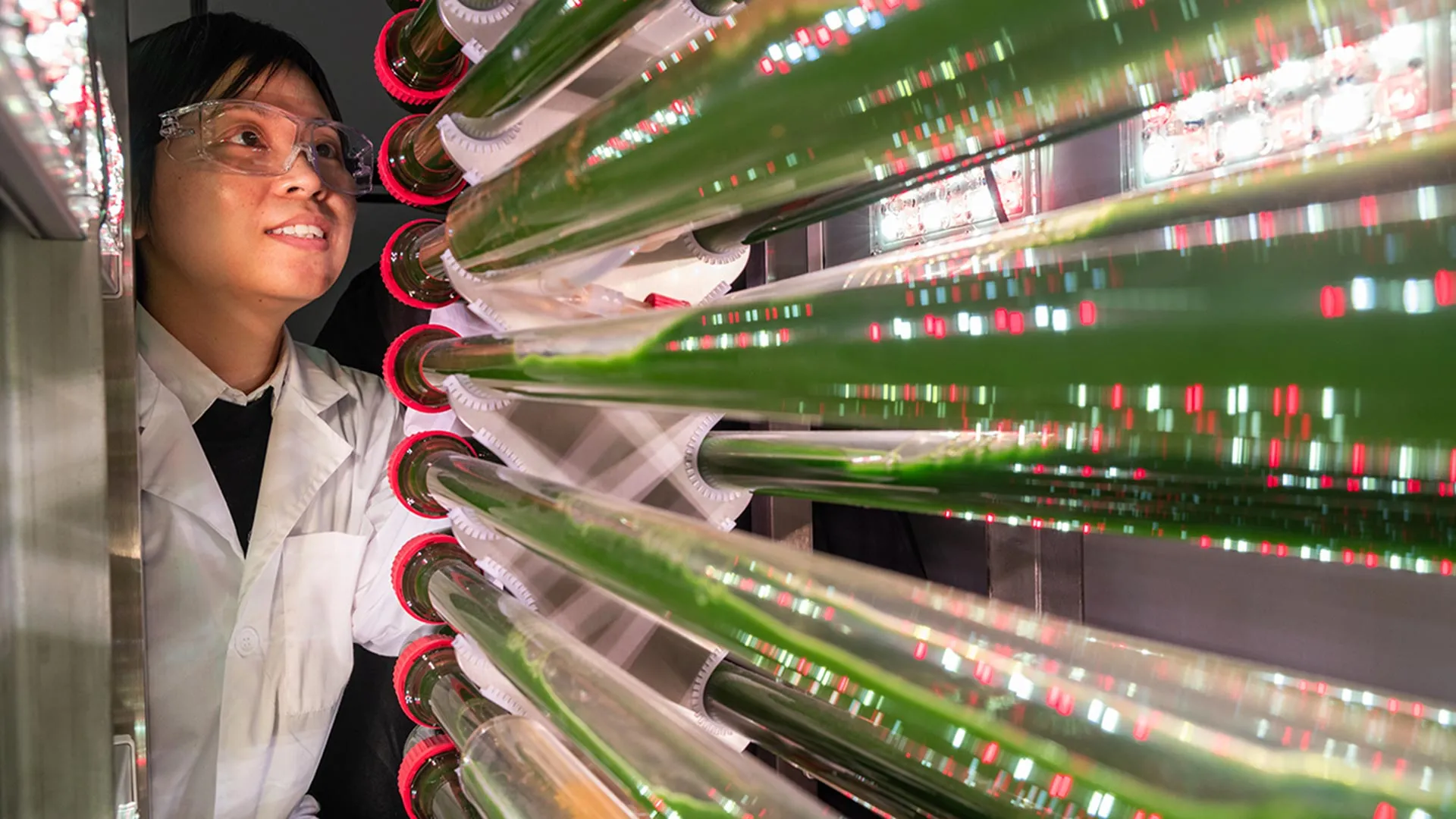
Researchers have engineered an algae strain capable of extracting microplastics from water with remarkable efficiency. The modified organism produces limonene, a naturally occurring compound with a distinctive orange scent, which acts as a binding agent between the algae cells and hydrophobic microplastic particles. This interaction causes the microplastics to aggregate into removable clumps, simplifying the filtration process.
The dual-function design offers an additional benefit. While concentrating microplastics, the engineered algae simultaneously treat wastewater by consuming excess nutrients during growth. This eliminates the need for separate treatment steps and reduces overall processing costs.
Microplastic contamination represents a growing public health concern. These particles, smaller than five millimeters, originate from degraded synthetic materials, microbeads in cosmetics, and tire wear. They accumulate in drinking water supplies worldwide, and studies document their presence in human tissues. Current removal methods rely on mechanical filtration, activated carbon, and reverse osmosis, all energy-intensive approaches with limited effectiveness on ultrafine particles.
The algae-based solution addresses these limitations through biological interaction rather than purely mechanical separation. Limonene's hydrophobic properties create an affinity for plastic particles while remaining compatible with the aqueous environment. The clumping mechanism increases particle size, making removal through standard filtration systems practical at municipal water treatment facilities.
Research teams have not yet disclosed specific removal rates, timeframes for full-scale deployment, or testing outcomes in real drinking water systems. Laboratory results often differ substantially from field performance. Questions remain regarding the long-term stability of the engineered strain, whether the modified algae could become an invasive species if released into natural water bodies, and cost comparisons with established treatment technologies.
The work represents progress in addressing microplastic pollution through biotechnology rather than engineering alone. Success in controlled settings suggests broader applications