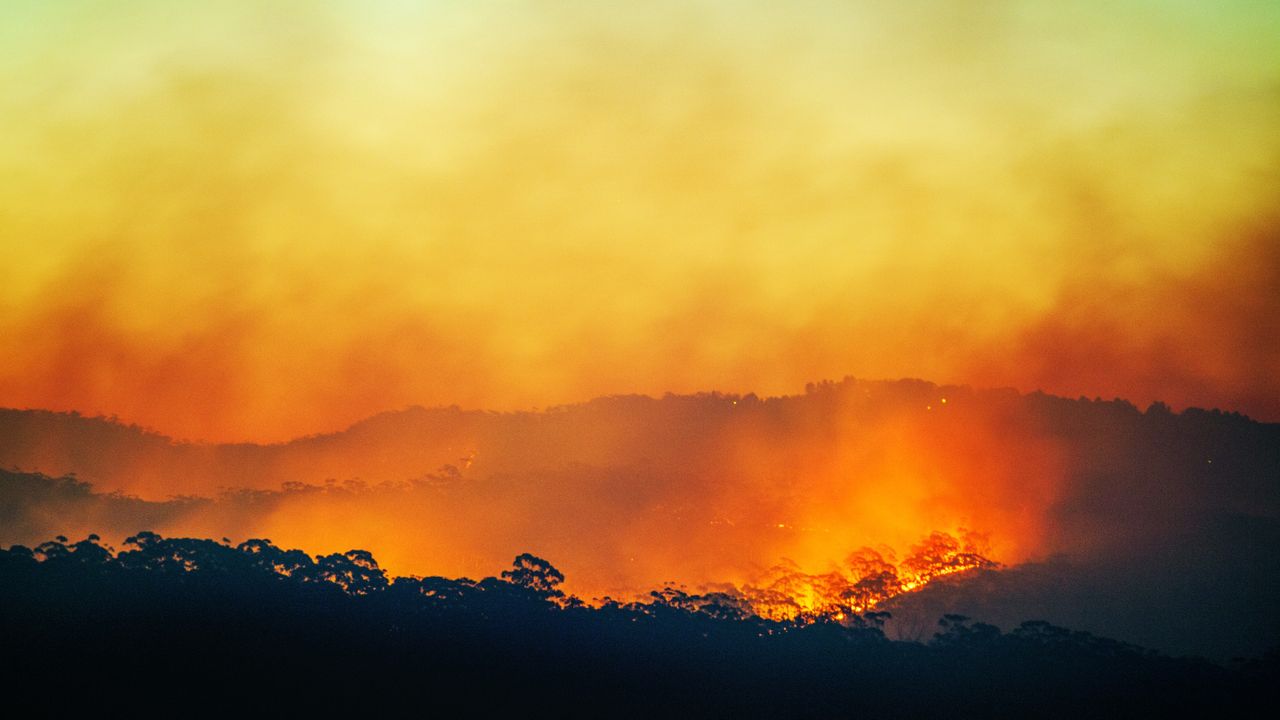
April's ocean temperatures hit the second-warmest level ever recorded for that month, signaling the emergence of El Niño conditions that climate scientists warn could develop into a once-in-a-century super event.
Sea surface temperatures across global oceans reached near-record highs last month, according to climate monitoring data reviewed by researchers tracking long-term ocean warming patterns. The temperatures follow months of accelerating heat accumulation in tropical Pacific waters, the hallmark signature of El Niño development.
El Niño describes a periodic warming of ocean temperatures in the equatorial Pacific that occurs every few years, disrupting global weather patterns and intensifying rainfall in some regions while triggering droughts elsewhere. The phenomenon typically lasts 12 to 18 months and can significantly impact agriculture, fisheries, and food security worldwide.
Scientists describe a "super" El Niño as an exceptionally strong event that occurs roughly once per century. Such extreme episodes amplify the typical effects of ordinary El Niño years, producing more pronounced temperature anomalies and weather disruptions. The current trajectory suggests conditions may align with historical patterns of these rare, intense events.
The April temperature reading represents the second-highest on record for that specific month, trailing only one previous April. This ranking matters because April typically marks a seasonal transition period when ocean temperatures begin shifting toward patterns that influence Northern Hemisphere summer weather.
Climate scientists attribute the warming partly to ongoing human-caused climate change, which has raised baseline ocean temperatures globally. Rising background temperatures create conditions where natural phenomena like El Niño operate at higher absolute heat levels, potentially intensifying their effects.
The connection between El Niño emergence and record ocean heat carries implications for 2024 and 2025 weather forecasting. Agricultural regions dependent on predictable precipitation patterns face potential disruption. Coral reef ecosystems already stressed by warming waters could experience additional bleaching pressure during a