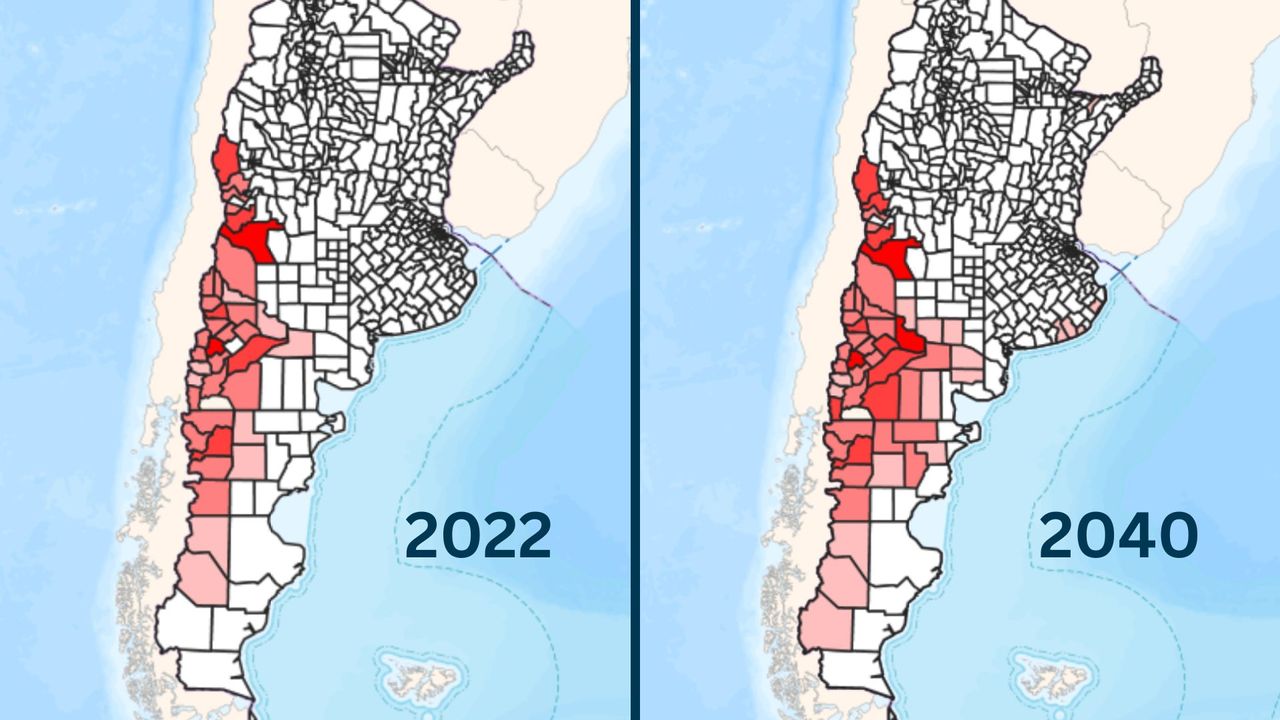
Researchers modeling climate change impacts on rodent populations predict that hantavirus outbreaks could increase in frequency as virus-carrying rodents expand their geographic range across Argentina. The new analysis examines how shifting weather patterns will reshape habitat suitability for rodent species that transmit hantavirus to humans.
Hantavirus causes hantavirus pulmonary syndrome in humans, a severe respiratory illness with high mortality rates. Rodents shed the virus in urine, feces, and saliva, and humans contract infection through inhalation of contaminated dust or direct contact. Argentina has experienced several hantavirus outbreaks over the past two decades, making the country a focal point for understanding transmission dynamics.
The modeling work incorporates climate projections with ecological data on rodent habitat preferences. As temperatures warm and precipitation patterns shift, suitable breeding and feeding environments for hantavirus-carrying rodents will move into regions currently too cold or dry to support large populations. The research demonstrates that rodents will establish populations in areas previously outside their historical range, bringing the virus with them into human settlements and agricultural regions.
The study reveals the interconnected nature of climate change and infectious disease. Temperature and humidity directly influence rodent survival and reproduction rates. They also affect vegetation growth and seed production, which determine food availability. Climate models suggest Argentina will experience drier conditions in some regions and wetter conditions in others, fragmenting rodent habitat in complex ways.
The implications extend beyond Argentina. Similar climate-driven range expansions threaten other regions where rodent-borne viruses circulate, including parts of North America, Europe, and Asia. Public health systems in affected areas must prepare for increased hantavirus case loads in coming decades.
The research underscores the need for integrated surveillance combining epidemiological monitoring with ecological forecasting. Understanding where rodent populations will concentrate allows health authorities to target prevention efforts, educate at-risk communities