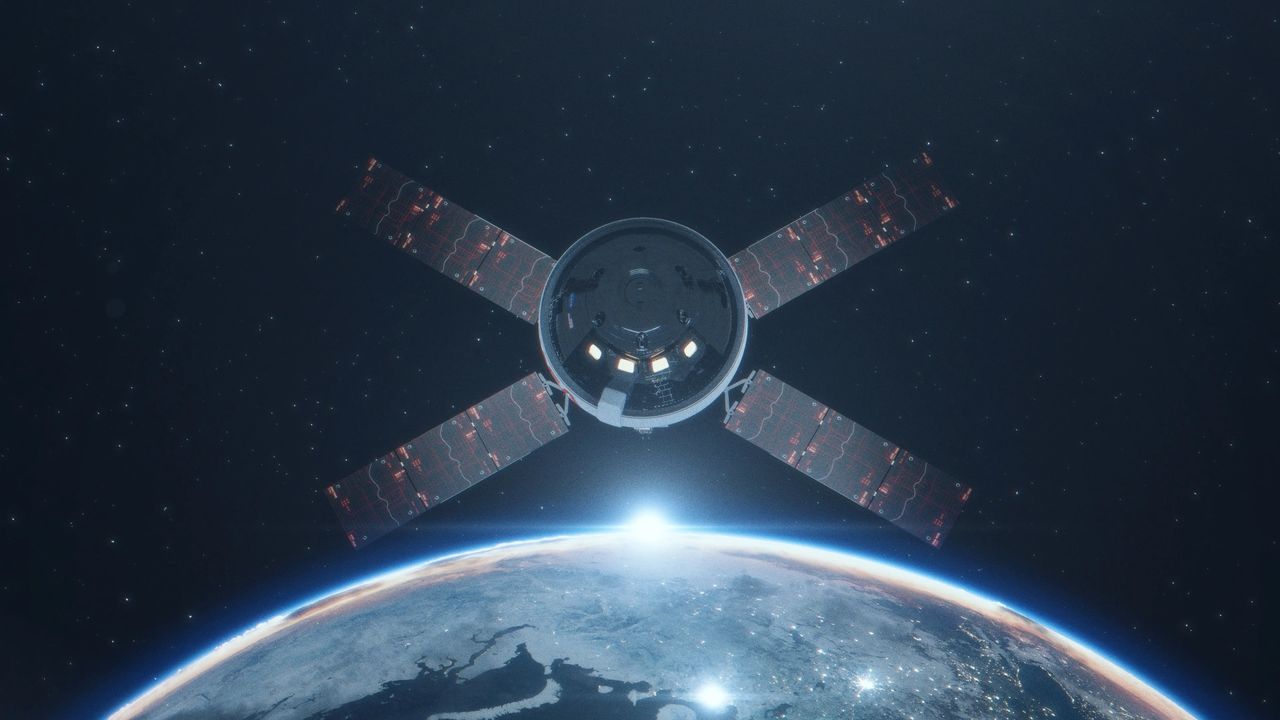
NASA plans to launch Artemis 3 in late 2027, and the mission will rank among the agency's most complex undertakings ever attempted. The crewed lunar mission will test new spacecraft systems and operational procedures that push the boundaries of human spaceflight.
Artemis 3 builds on the foundation of earlier missions in the Artemis program. The mission will carry astronauts to lunar orbit and potentially to the moon's surface, depending on test results from preceding flights. NASA engineers must coordinate multiple new systems working together for the first time, including the Space Launch System heavy-lift rocket, the Orion capsule, and lunar lander components.
The complexity arises from several factors. Mission planners must choreograph rendezvous maneuvers between the Orion spacecraft and lunar transfer modules in deep space. The crew will conduct operations far from Earth, where communication delays and limited rescue options require exceptional redundancy in all critical systems. Landing precision on the lunar surface demands guidance systems accurate to within meters.
Thermal management presents another challenge. The Orion capsule must withstand extreme temperature swings during trans-lunar flight and reentry. Life support systems must sustain the crew for extended periods without resupply. Power generation and distribution across multiple spacecraft modules must operate flawlessly in the harsh lunar environment.
NASA has not released exhaustive technical details about the specific systems that prompted the complexity assessment. The agency's statement acknowledges that previous lunar missions, including the Apollo program, faced comparable engineering demands. However, modern mission objectives involve longer durations and more ambitious scientific goals than 1960s-era lunar visits.
The 2027 target allows time for development of required hardware and completion of uncrewed test flights. Artemis 1, an uncrewed Orion test, launched in 2022. Artemis 2 will carry astronauts to