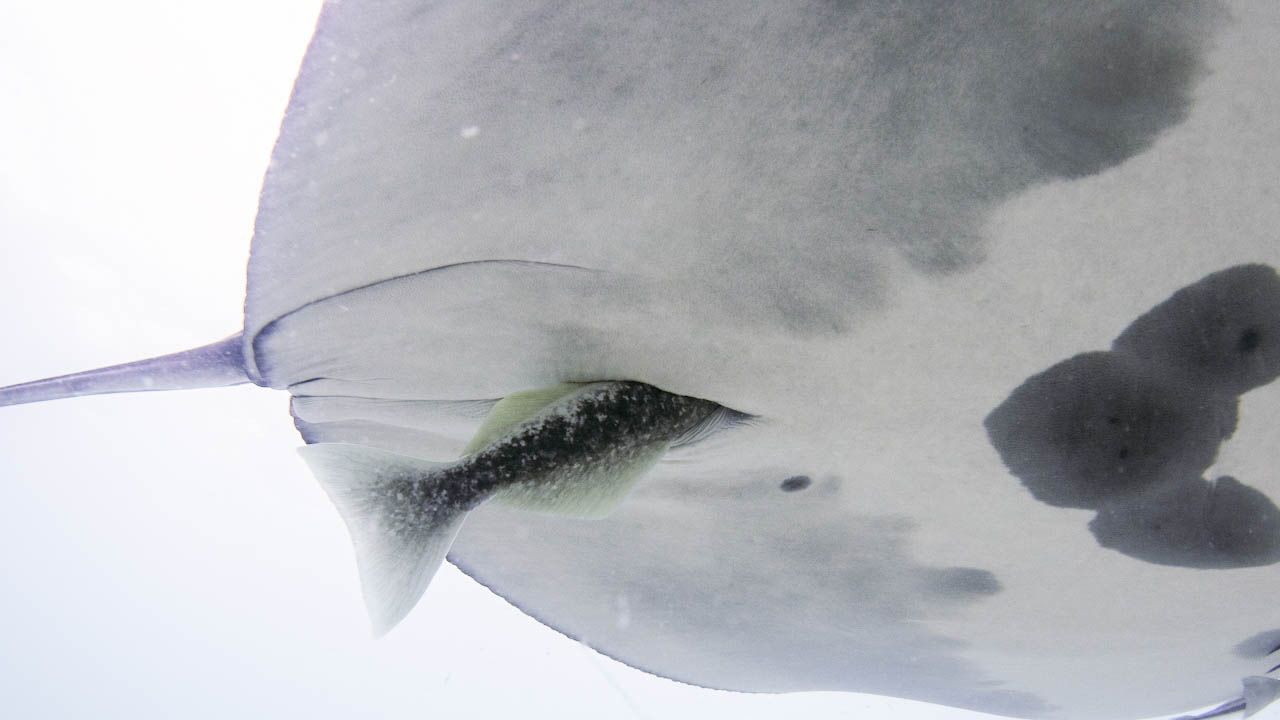
Remoras, small fish known as hitchhikers of the ocean, have evolved an unusual refuge strategy by hiding inside the anal openings of manta rays. Researchers studying this symbiotic relationship documented the behavior, which they describe as simultaneously remarkable and unsettling.
Remoras typically attach to larger marine animals using a specialized sucker-like disc on their heads, gaining food scraps and protection from predators while their hosts benefit from parasite removal. However, some remoras take this relationship further by sheltering within body cavities of their hosts, including manta rays.
The discovery highlights how parasitic and mutualistic relationships exist on a spectrum in marine ecosystems. While remoras gain shelter and access to nutrients, manta rays tolerate the presence without apparent harm. The behavior represents an extreme adaptation to life as a smaller fish in a predator-filled ocean.
This hiding strategy offers remoras several advantages. The anal cavity provides complete concealment from predators while maintaining proximity to food sources. Manta rays, which can reach wingspans exceeding 20 feet, appear indifferent to their uninvited guests, suggesting the intrusion causes minimal disruption.
Remora fish demonstrate remarkable behavioral flexibility. Different species and populations employ varying attachment and hiding strategies depending on available host species and environmental conditions. Some remoras attach externally to whale sharks or sea turtles, while others have evolved to exploit less conventional refuges.
The research adds to growing evidence that ocean symbiosis operates through diverse mechanisms. Scientists continue documenting unexpected ecological relationships as submersibles and camera technology enable closer observation of deep-sea and open-ocean life.
This particular adaptation challenges assumptions about animal behavior and habitat use. The finding also raises questions about host tolerance levels and whether manta rays actively accommodate remoras or simply accept the uninvited presence as an unavoidable cost of their size and ecology.