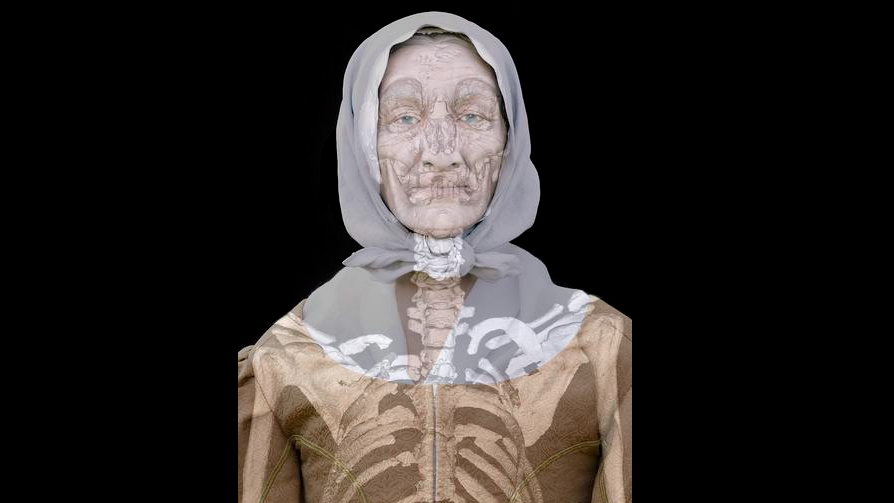
Archaeologists in Maryland have uncovered the remains of an 8-year-old boy with African ancestry buried in a 17th-century cemetery alongside white colonists, raising questions about the child's social status during the early colonial period.
The discovery comes from excavations at a historic site in Colonial Maryland. Researchers used DNA analysis and skeletal examination to determine the child's ancestry and identify other individuals interred at the location. The cemetery also contained the remains of two indentured servants of European descent.
The child's placement in this burial ground presents a puzzle for historians. In the late 1600s, the racial slavery system that would define American history had not yet solidified into the rigid racial caste it would become. Some enslaved and free African people were buried alongside colonists of other backgrounds, suggesting more fluid social categories in early colonial Maryland than existed later.
Skeletal analysis of the boy revealed no obvious signs of malnutrition or extreme hardship, though archaeologists caution that skeletal markers alone cannot definitively establish whether someone was enslaved or free. DNA testing confirmed African ancestry, but genetic data provides limited information about legal status.
The ambiguity reflects a historical reality. During the 17th century, some African arrivals in the Chesapeake colonies occupied intermediate positions, neither fully enslaved nor entirely free. Others were enslaved from arrival. Records from this period remain sparse and often contradict one another.
The discovery underscores how early colonial Maryland differed from the later plantation system. Before the intensification of slavery in the late 1600s and 1700s, social hierarchies operated differently. Indentured servitude, temporary slavery, and free status coexisted in more complex arrangements than textbooks sometimes suggest.
Researchers continue examining artifacts and burial context to gather more clues about the boy's life. The analysis contributes to growing archaeological evidence that