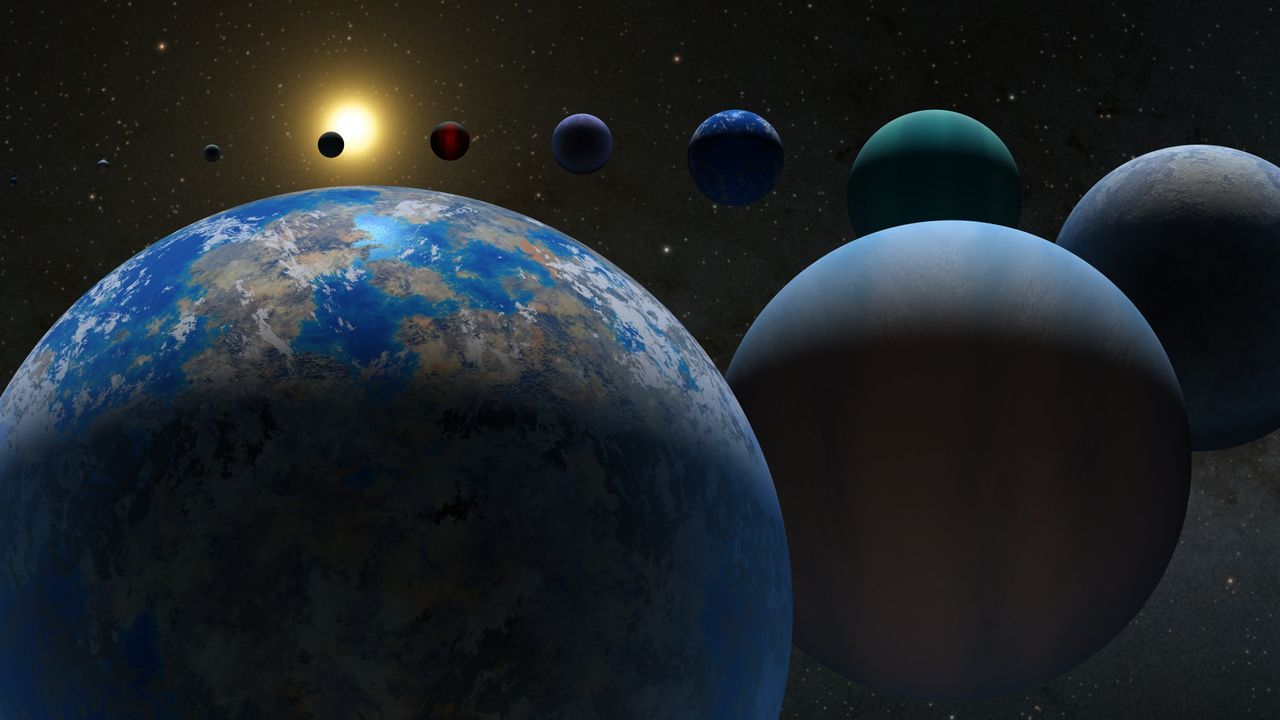
Researchers have identified 10,091 previously undetected exoplanet candidates lurking in archived NASA data, more than doubling the pool of worlds awaiting confirmation.
The discovery emerged from a systematic re-analysis of observations collected by NASA missions, likely including data from the Kepler Space Telescope and its follow-up missions. Rather than launching new observations, scientists mined existing datasets using improved detection algorithms and analytical techniques. This approach reflects a growing recognition that space agencies accumulate more data than initial surveys can fully process.
The candidates range across different sizes and orbital characteristics. Some may orbit within habitable zones where liquid water could exist. Others likely represent false positives, a common challenge in exoplanet detection where stellar noise or instrumental artifacts can mimic planetary signals.
Confirmation requires additional scrutiny through ground-based spectroscopy or complementary space observations. Teams must verify that candidate signals reflect actual planets rather than instrumental noise or stellar activity. This vetting process typically takes months or years per candidate, meaning the full scope of this discovery will take time to assess.
The find underscores how computational advances enable new science from old data. Machine learning models and refined statistical methods now extract signals that earlier analysis missed. As detection sensitivity improves, the known exoplanet census continues its rapid expansion. The confirmed count crossed 5,000 in 2022 and reached approximately 5,600 by early 2024.
This batch of 10,091 candidates represents the most substantial addition from archival analysis to date. Even if a fraction prove genuine, the discovery expands our understanding of planetary system diversity and frequency. It also highlights gaps in current knowledge, showing how much information remains buried in datasets collected years ago.
Future analysis of data from the James Webb Space Telescope and other current missions promises additional discoveries. The exoplanet frontier continues expanding rapidly through both new observations and smarter