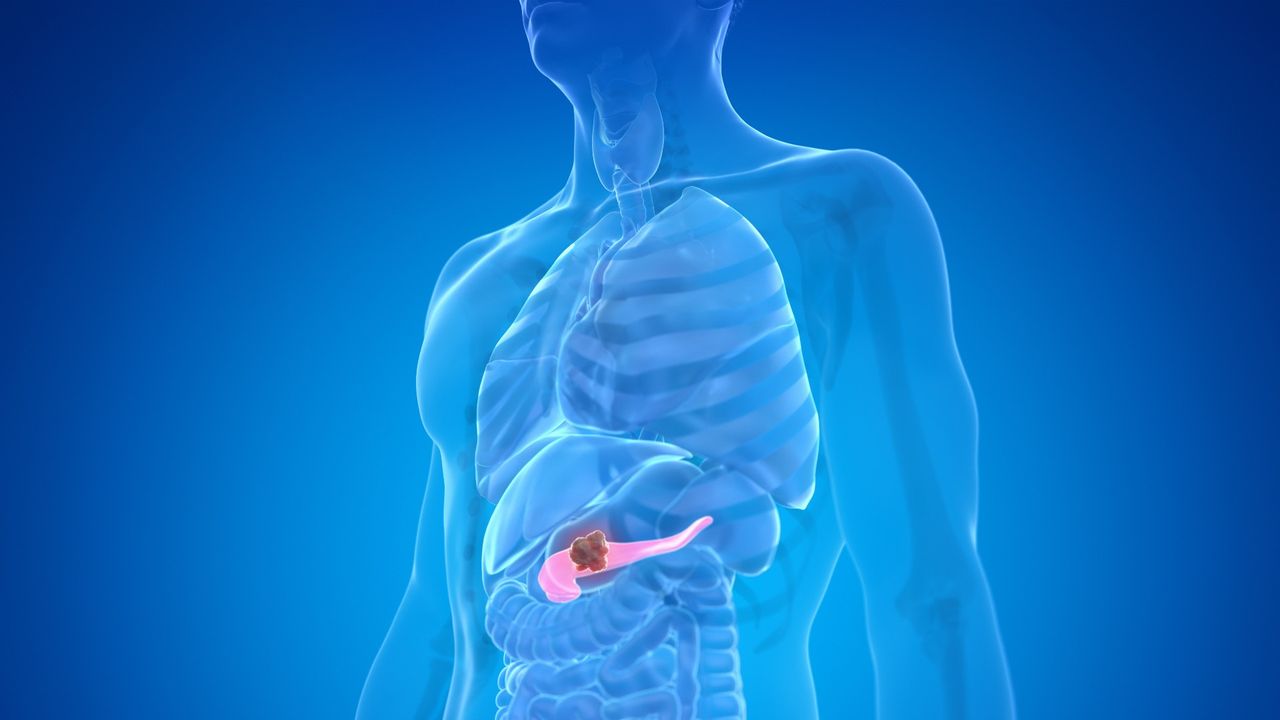
Researchers have developed an artificial intelligence model that detects pancreatic cancer in CT scans up to three years before human radiologists would identify it, according to an early-stage study. The AI system identifies subtle precancerous changes and early tumors that typically escape clinical notice during standard image review.
Pancreatic cancer ranks among the deadliest malignancies, with a five-year survival rate near 12 percent when detected at advanced stages. Earlier diagnosis dramatically improves outcomes. The new model addresses a critical gap in detection capability by flagging lesions and tissue alterations that appear benign to experienced physicians but correlate with cancer development.
The study involved retrospective analysis of CT imaging data from patients who later developed pancreatic cancer. Researchers trained the AI system to recognize patterns associated with precancerous conditions including intraductal papillary mucinous neoplasms (IPMNs) and pancreatic intraepithelial neoplasia (PanIN). The algorithm learned to spot morphological changes in pancreatic tissue that precede frank malignancy.
Testing showed the AI flagged concerning findings an average of three years ahead of standard clinical diagnosis. This timeline offers a substantial window for intervention and monitoring. Early detection allows for closer surveillance protocols, potential surgical removal of precancerous lesions, and treatment initiation before the disease reaches advanced stages.
Limitations of the research include its retrospective design and reliance on already-collected imaging data. The study did not involve prospective validation in a clinical setting where the AI would screen patients in real time. Generalizability remains uncertain, as training data may not represent diverse patient populations or different imaging protocols across institutions.
Researchers acknowledge that clinical implementation requires regulatory approval and integration into existing radiology workflows. The tool would serve as a decision-support system assisting radiologists rather than replacing human expertise. False positives and