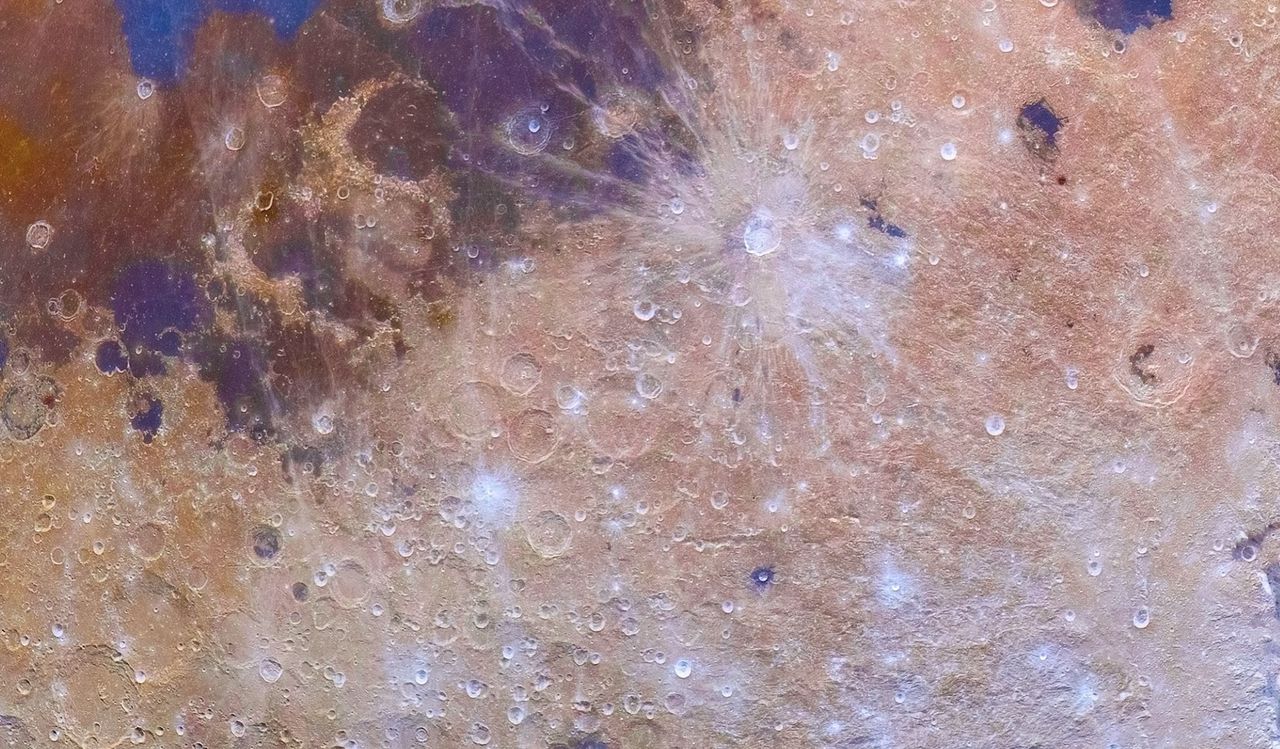
NASA lunar scientists spent months training Artemis 2 astronauts to observe the moon through the lens of geological expertise, teaching them to translate what their eyes saw into data that could advance lunar science. The crew, which included commander Reid Wiseman, pilot Victor Glover, mission specialist Christina Koch, and lunar module pilot Jeremy Hansen, learned to identify rock formations, crater characteristics, surface textures, and other geological features using precise terminology.
The intensive preparation meant astronauts could document observations in ways that matched what scientists needed most. Rather than casual descriptions, they provided systematic geological assessments during their December 2024 flyby around the moon at just 3,000 feet altitude at the closest point. This approach echoed training protocols from the Apollo era, when astronauts like geologist Harrison Schmitt transformed moon missions into mobile scientific expeditions.
What surprised the scientific community, however, was the actual content of their observations. The astronauts reported phenomena or characteristics that contradicted existing models or expectations about the lunar surface. The specific findings remained under review as researchers analyzed the data, but the discrepancies were significant enough to warrant immediate attention from the lunar science community.
This mission demonstrated the unique value of human observers in space exploration. While robotic instruments excel at collecting standardized measurements, trained humans can notice unexpected details, make real-time decisions about where to focus attention, and recognize features that automated systems might overlook. The Artemis 2 astronauts essentially served as mobile geological laboratories, their observations supplementing data from the Lunar Reconnaissance Orbiter and other unmanned instruments.
The training protocol, developed by NASA scientists and geological experts, proved effective in bridging the gap between spaceflight capability and scientific inquiry. As NASA prepares for Artemis 3, which will return astronauts to the lunar surface, this lessons-learned approach will refine how future crews observe