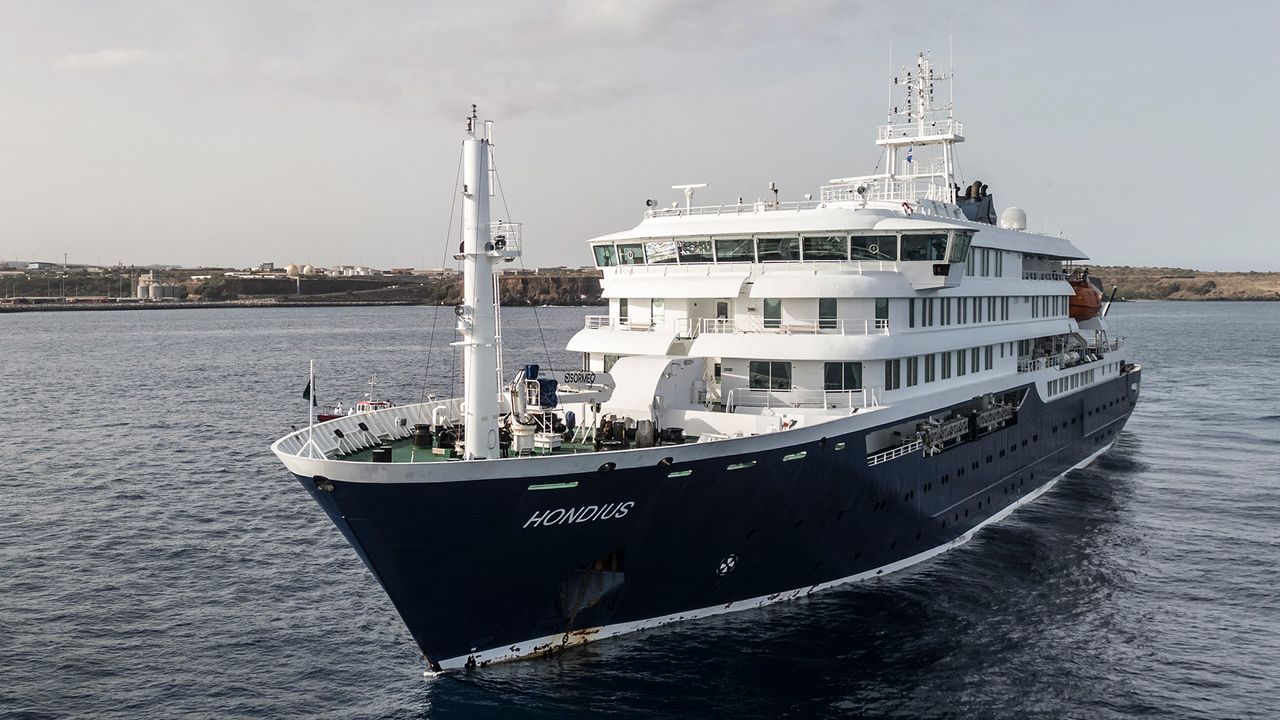
The World Health Organization's Director-General will travel to Tenerife to oversee the disembarkment of passengers from the cruise ship MV Hondius following a hantavirus outbreak aboard the vessel. Repatriation flights are scheduled for Sunday and Monday to return affected passengers to their home countries.
The MV Hondius, an expedition cruise ship, experienced multiple confirmed hantavirus cases among its passengers and crew. Hantavirus infections occur through exposure to rodent droppings, urine, or saliva, typically contracted in enclosed spaces with poor ventilation. The virus causes hantavirus pulmonary syndrome, a serious respiratory illness with fatality rates ranging from 38 to 50 percent in North America.
The outbreak prompted immediate health interventions and quarantine protocols. The WHO's direct involvement underscores the international health implications of disease transmission aboard vessels with international passenger populations. Tenerife, part of Spain's Canary Islands, serves as the disembarkment location for the affected cruise ship.
Hantavirus outbreaks linked to cruise ships remain relatively rare, making this incident noteworthy for public health surveillance. Cruise ships present unique transmission risks due to their enclosed environments, shared ventilation systems, and international passenger demographics. Health authorities typically implement isolation measures for symptomatic individuals and monitoring protocols for asymptomatic contacts.
The coordinated response involving WHO leadership, Spanish health authorities, and international repatriation efforts reflects standard procedures for managing infectious disease incidents affecting multiple nationalities. Passengers face testing and health assessments before departure. Some countries may impose additional quarantine requirements upon arrival.
The exact number of confirmed cases and the timeline of symptom onset among passengers remains under investigation. Contact tracing efforts continue to identify individuals who may have been exposed during the voyage. This incident reinforces the importance of rapid disease detection systems on international vessels and coordination