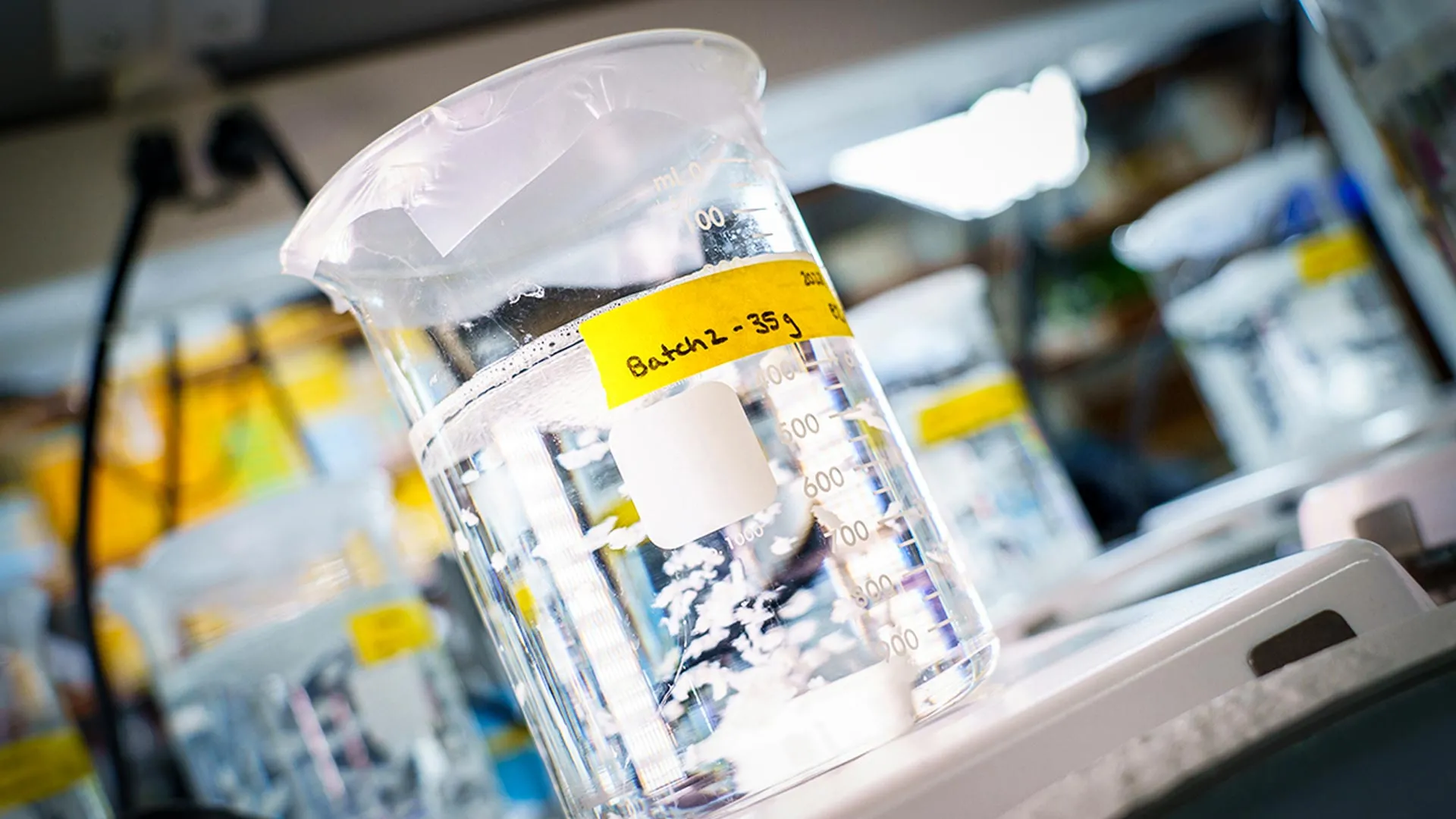
Scientists have engineered an injectable biomaterial that circulates through the bloodstream to repair damaged tissue and reduce inflammation, marking a departure from therapies requiring direct injection into injured organs.
The material successfully treated heart attack damage in animal studies and demonstrated potential for traumatic brain injury and pulmonary hypertension. The intravenous delivery method allows the compound to distribute evenly throughout the body and initiate healing faster than previous approaches that demanded direct injection into the heart itself.
The technology addresses a critical limitation of earlier biomaterial therapies. Direct injection into cardiac tissue requires invasive surgical procedures and produces uneven distribution. The new intravenous approach eliminates these obstacles by leveraging the circulatory system as a delivery vehicle. Once injected, the biomaterial circulates to damaged areas, accumulates at injury sites, and begins repairing tissue while dampening harmful inflammatory responses.
In preclinical testing, the material reversed damage from myocardial infarction, the leading cause of heart failure worldwide. The same mechanism that proved effective for cardiac injury also showed efficacy in preliminary tests for neurological and pulmonary conditions, suggesting broader therapeutic applications.
The work represents progress toward regenerative medicine treatments that harness the body's natural healing capacity. By triggering endogenous repair mechanisms rather than simply replacing damaged cells, the approach may offer longer-lasting results with fewer complications than cell transplantation strategies currently under investigation.
Limitations remain. Animal studies do not always translate to human efficacy and safety. The research team has not yet disclosed details about the biomaterial's composition, manufacturing scalability, or timeline for clinical trials. Questions persist about optimal dosing, potential off-target effects, and whether results will hold in human subjects with more complex physiology than model organisms.
The work opens a new avenue for treating conditions where tissue damage occurs suddenly and extensively. If human trials confirm these findings, intravenous delivery