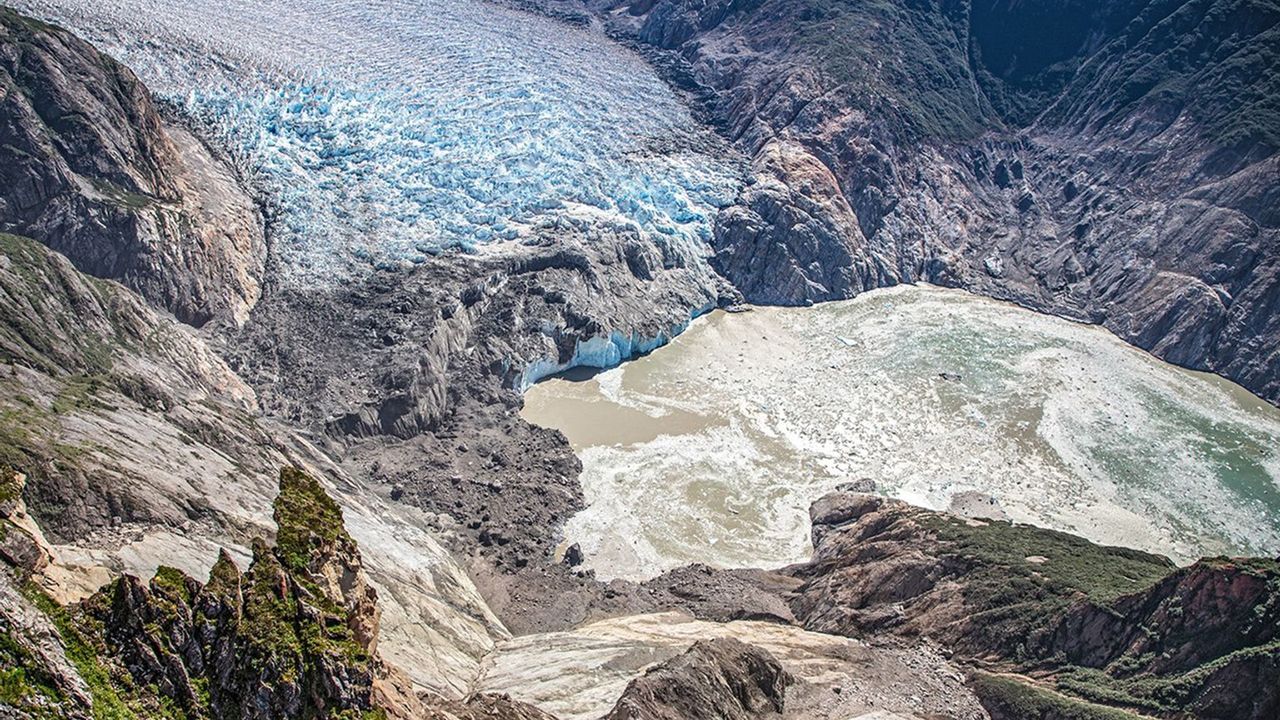
A tsunami that struck an Alaskan fjord in 2025 ranks as the second largest ever recorded, according to new research. The event generated a standing wave that continued sloshing within the fjord for approximately 24 hours.
Standing waves form when water reflects off fjord walls and interferes with incoming waves, creating oscillations that persist long after the initial tsunami impact. This phenomenon extends hazards beyond the immediate surge, keeping water in motion and posing ongoing risks to coastal infrastructure and ecosystems.
The researchers documented the wave's extraordinary height and duration through instrumental measurements and field observations. The 2025 event trails only the 1958 Lituya Bay tsunami, which remains the highest tsunami ever recorded at an estimated 1,720 feet. That catastrophic event was triggered by a massive landslide that displaced enormous volumes of water.
Alaska's fjords create ideal conditions for extreme tsunamis. The narrow, steep-sided waterways concentrate wave energy, amplifying heights to levels rarely observed in open ocean. Landslides and glacial calving in these regions frequently generate such events. The 2025 tsunami likely resulted from similar mechanisms, though researchers are still analyzing the precise trigger.
Understanding the frequency and characteristics of Alaskan tsunamis informs hazard assessment and warning systems. Living in or operating near these fjords carries genuine risks that climate change may intensify through accelerated glacial melting and increased instability in rock faces bordering waterways.
The standing wave phenomenon studied here offers insight into fjord dynamics. Water trapped between steep walls can oscillate for hours or days, with energy gradually dissipating through friction and spreading. Coastal communities rely on tsunami early warning systems that account for these extended hazard windows. The research contributes to models that predict wave behavior in similar geographic settings worldwide.
Scientists continue monitoring Alaskan fjords for signs of