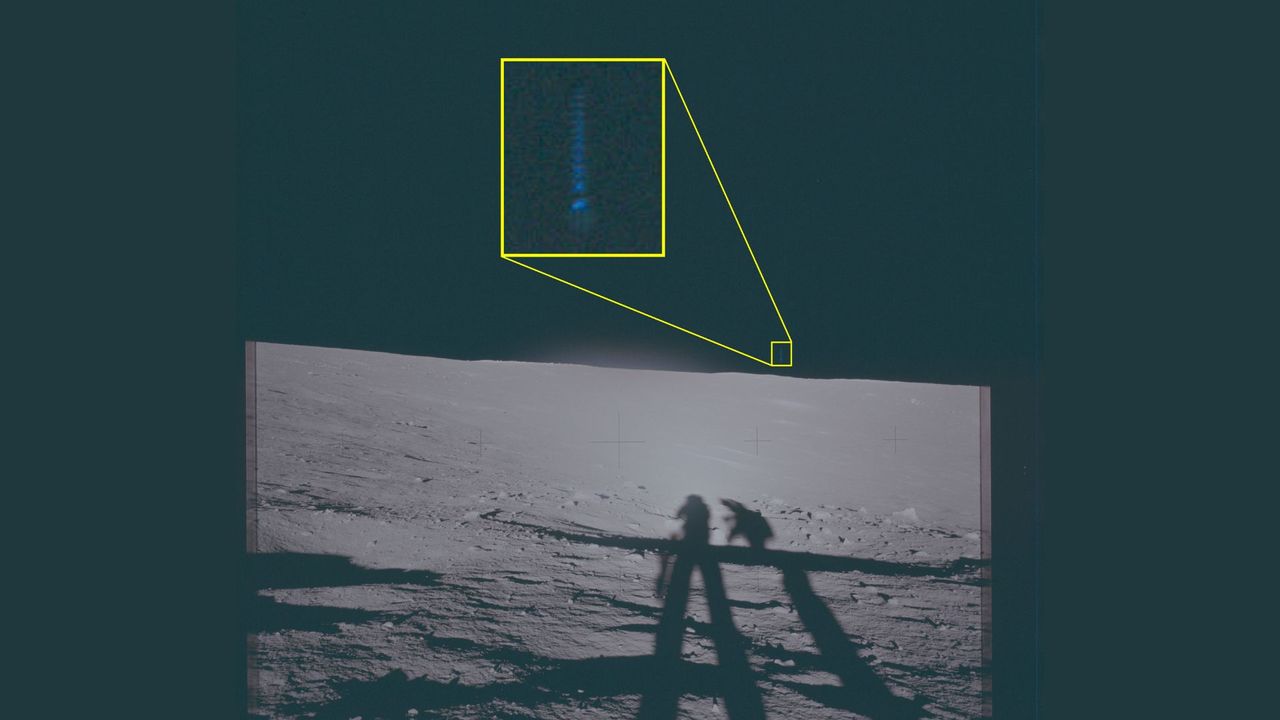
The Department of Defense has declassified over 160 documents, images and recordings related to unidentified aerial phenomena (UAP), formerly known as UFOs. The materials span decades, extending back to the pre-Apollo era and including accounts from Apollo astronauts themselves.
The release represents one of the most substantial public disclosures of UAP-related government files in recent years. The declassified materials contain sightings, pilot observations, and instrumental recordings that the DoD previously withheld from public scrutiny. Among the notable inclusions are accounts from Apollo-era astronauts, lending credibility to historical claims that space program personnel witnessed unexplained aerial activity.
The timing of this declassification follows growing congressional pressure for transparency on UAP matters. In recent years, lawmakers have demanded the government release UAP data and conduct serious investigations into sightings. The All-domain Anomaly Resolution Office (AARO), established within the DoD, has become the official government body tasked with cataloging and analyzing UAP incidents.
The declassified files do not conclusively identify the phenomenon's origins. Some sightings have conventional explanations involving weather balloons, advanced foreign aircraft, or sensor artifacts. Others remain unexplained, lacking sufficient data for definitive classification. The government has emphasized that UAP reports do not necessarily indicate extraterrestrial origin, though the possibility remains under consideration alongside other hypotheses.
The release includes visual documentation of sightings and pilot testimonies describing objects exhibiting flight characteristics that defy conventional aircraft performance. These accounts come from trained military observers with expertise in identifying conventional aerial platforms, lending them investigative value despite remaining unexplained.
Researchers and aviation experts will now analyze the declassified materials to identify patterns, assess data quality, and determine whether additional investigation warrants resources. The release moves UAP research from classified corridors into the scientific community, potentially