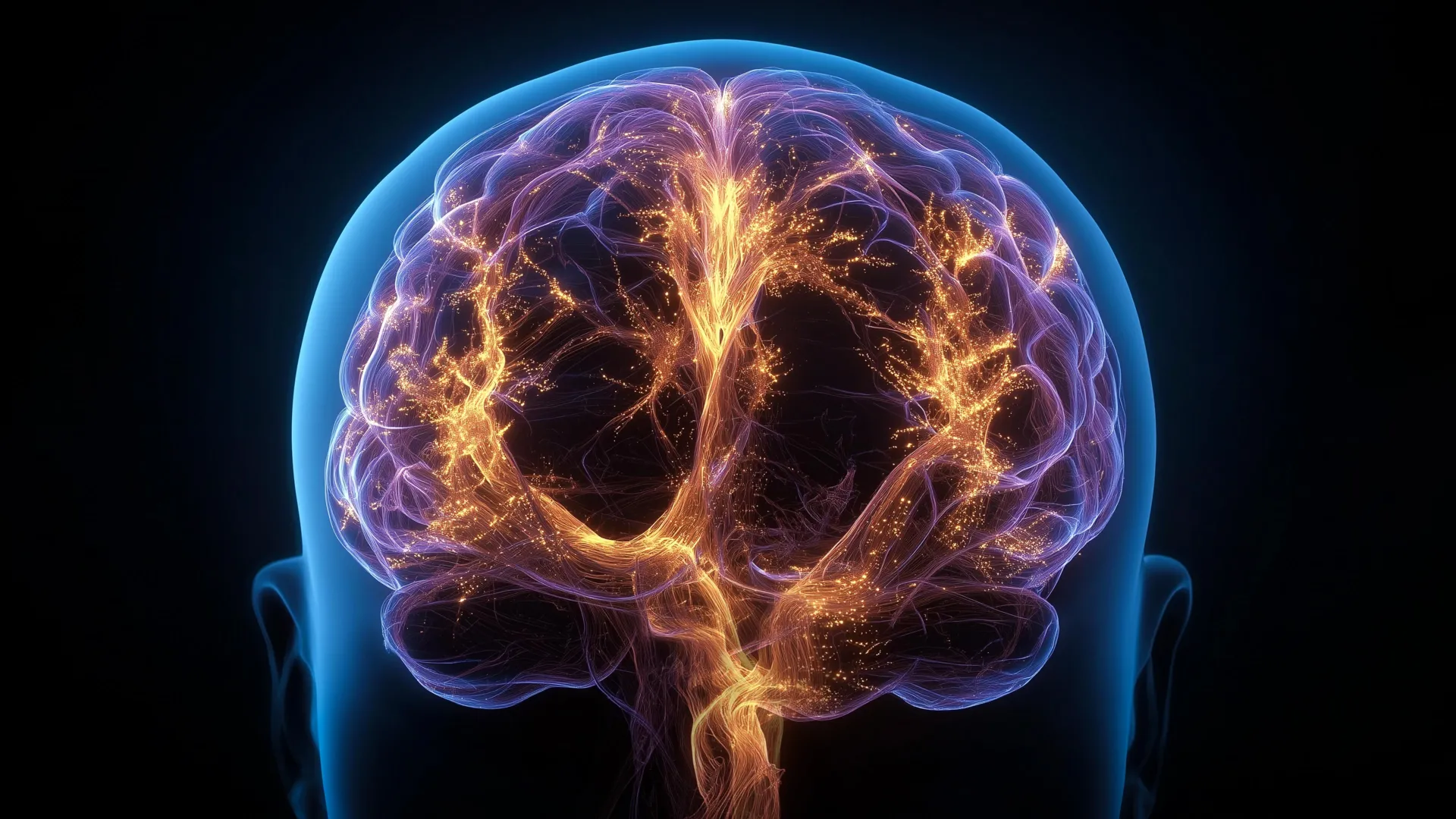
Researchers have identified a distinctive brain structural difference in people with psychopathic traits. An analysis of 120 participants using MRI scans and psychological evaluations revealed that individuals with psychopathic characteristics possessed a striatum approximately 10% larger than those without such traits.
The striatum, located deep within the brain, plays central roles in reward processing, motivation, and decision-making. The enlarged striatum correlated with increased thrill-seeking behavior, impulsive actions, and heightened drive for stimulation in the psychopathic participants.
This finding builds on existing neuroscience research linking brain structure to personality and behavioral differences. The striatum's involvement in reward prediction makes its enlargement particularly relevant to understanding psychopathic behavior patterns. People with psychopathic traits often demonstrate reduced impulse control and heightened reward-seeking, characteristics consistent with a more developed reward-processing center.
The study's 10% size difference represents a measurable anatomical distinction that researchers can now point to as a biological marker of psychopathic traits. However, the research carries important limitations. The sample size of 120 participants, while substantial, remains relatively modest for drawing broad population conclusions. MRI technology measures brain volume but cannot determine whether structural differences cause behavioral traits or result from them.
Additionally, psychopathy exists on a spectrum rather than as a binary condition. The study assessed psychopathic traits across the sample rather than comparing diagnosed psychopaths to controls, which affects how clinically applicable these findings prove.
The discovery opens questions about early detection and intervention. If enlarged striatum size reliably predicts psychopathic traits, brain imaging could potentially identify at-risk individuals earlier. This raises ethical considerations about predictive neurobiological markers and how societies should respond to findings that suggest biological foundations for behavioral patterns.
Further research with larger, more diverse populations and longitudinal studies tracking striatum development