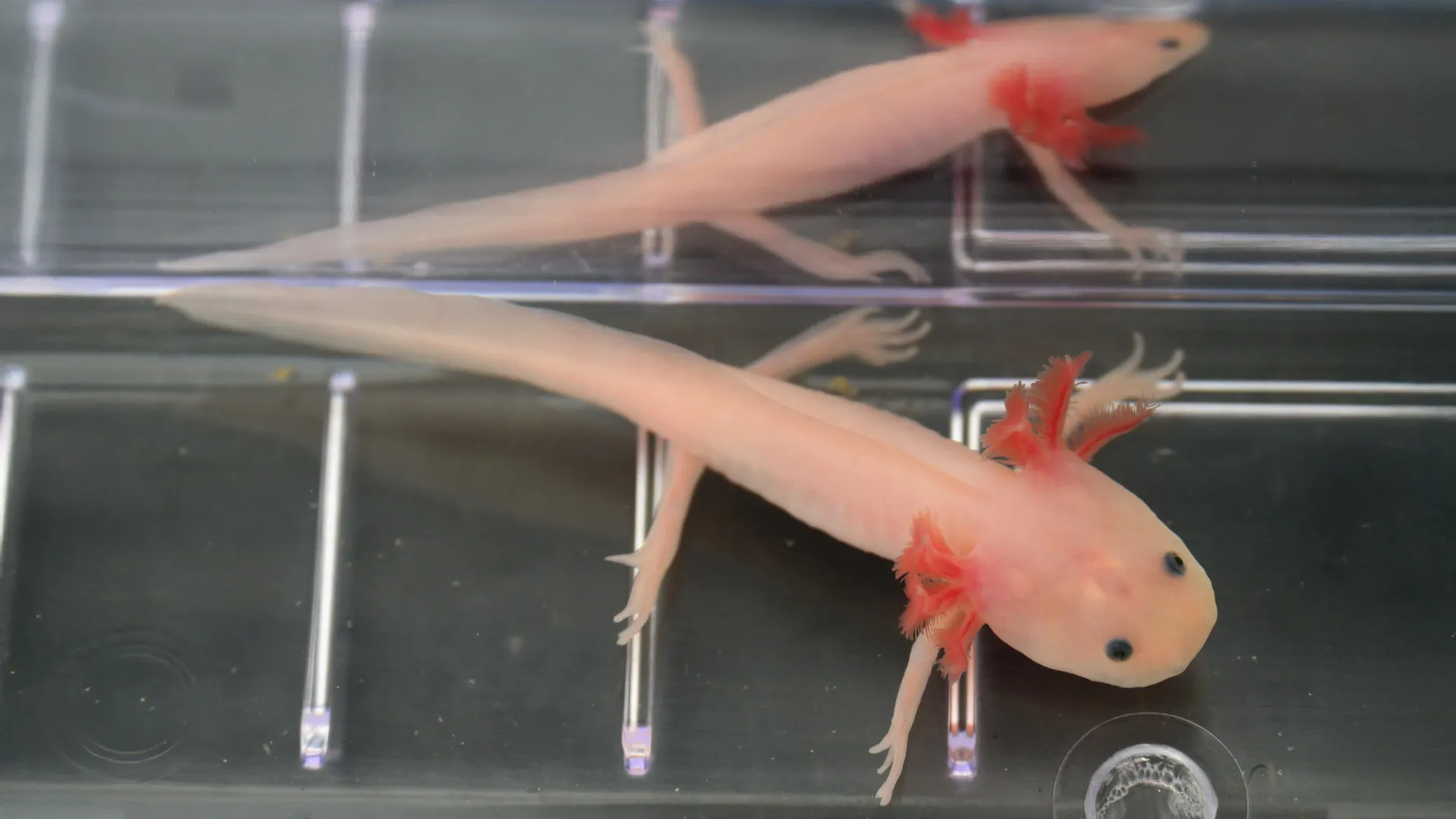
Researchers have identified a set of genes shared across axolotls, zebrafish, and mice that control limb regeneration, a discovery that opens pathways toward helping humans regrow lost body parts. Scientists working on the project disabled these genes, known as "SP genes," and observed that bone regrowth failed in both salamanders and mice, confirming their central role in the regeneration process.
The team then developed a gene therapy based on zebrafish regeneration biology and applied it to mice with limb injuries. The treatment partially restored regenerative capacity in the rodents, a significant step forward in translating animal models to potential human therapies.
Limb regeneration remains largely absent in adult humans, though some tissues like skin and bone possess limited regenerative abilities. Many other vertebrates, including axolotls and zebrafish, retain robust regeneration throughout their lives. By pinpointing the shared genetic machinery driving this process across species, researchers hope to unlock mechanisms that could one day replace prosthetics with functional living tissue.
The study highlights how comparative biology across multiple model organisms can reveal conservation of critical biological processes. However, translating these findings to human medicine requires additional work. Mouse studies suggest the basic genetic toolkit exists in mammals, but human limb regeneration involves vastly more complex anatomy, immune responses, and developmental biology. Gene therapy delivery to human tissues presents technical challenges, and ethical considerations around genetic modification in humans remain active areas of discussion.
The researchers did not restore complete regeneration in mice, only partial recovery, indicating that additional genes and regulatory mechanisms remain to be identified. Further studies must clarify how SP genes work alongside other molecular pathways and whether combined therapies could achieve fuller regeneration in larger animals before human trials become feasible.
This work joins a growing body of regenerative medicine research combining genetic insights with tissue engineering approaches. Success could reshape treatment options for traumatic injuries, war wounds,