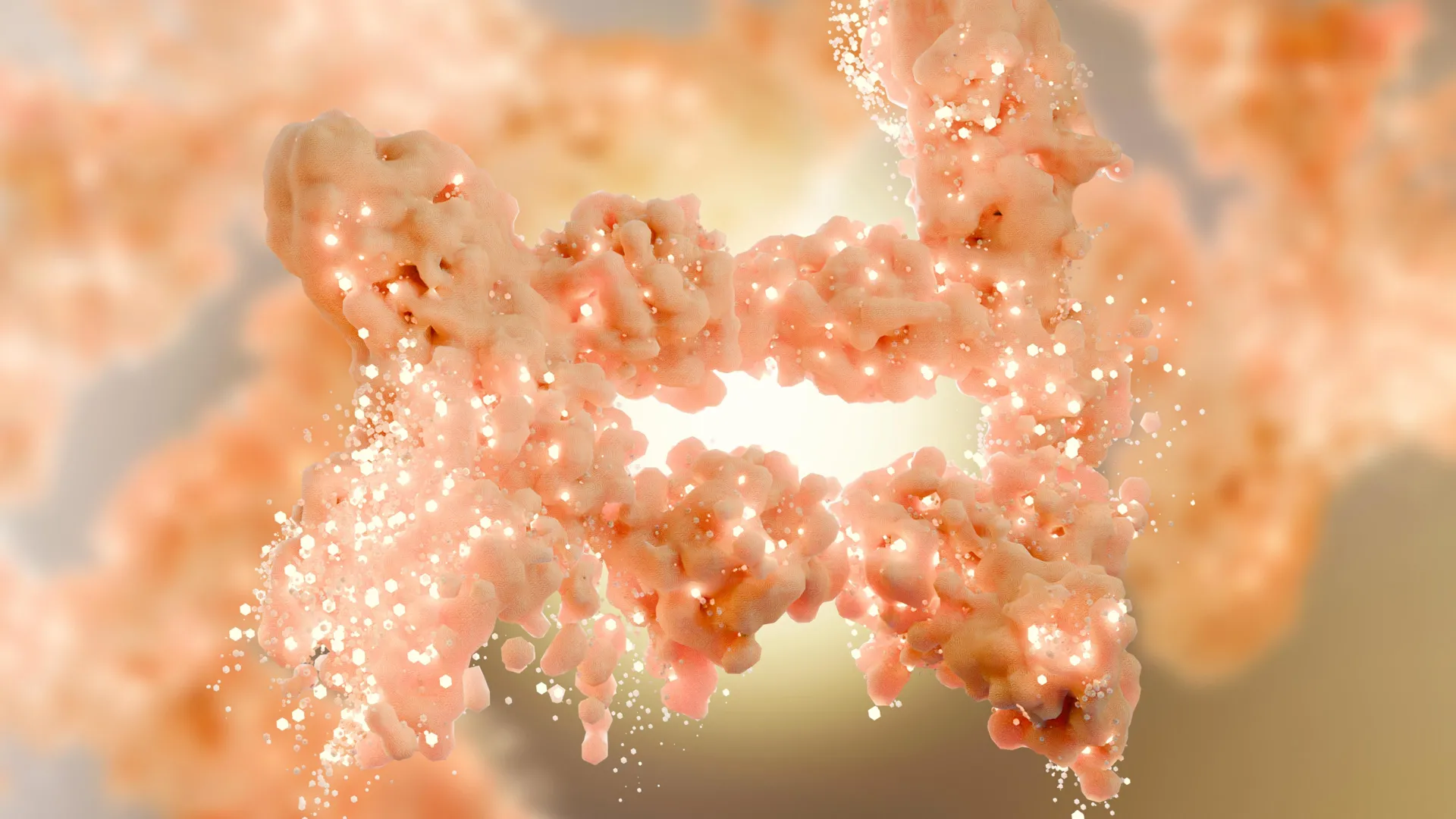
Researchers have discovered that a protein central to fat metabolism operates in an unexpected second role, upending conventional understanding of obesity at the cellular level.
The protein, hormone-sensitive lipase (HSL), was long thought to function solely in releasing stored triglycerides when the body requires energy. New research reveals HSL also works inside the nucleus of fat cells, where it maintains cellular health and metabolic balance. This dual function contradicts decades of assumptions.
The finding emerged from studies comparing normal mice with genetically engineered mice lacking HSL. Scientists expected the knockout mice to accumulate excess fat and develop obesity, a logical prediction based on HSL's known role in lipid mobilization. Instead, the animals lost fat tissue and developed lipodystrophy, a pathological condition marked by abnormal fat loss and metabolic dysfunction.
This counterintuitive result indicates that HSL's nuclear role outweighs its cytoplasmic function in determining overall fat storage. The protein apparently maintains the structural integrity and metabolic competence of adipocytes, the specialized cells that store energy. Without functional HSL inside the nucleus, fat cells cannot sustain themselves properly, leading to tissue atrophy rather than accumulation.
The discovery carries implications for understanding metabolic disease. Obesity involves dysregulation across multiple cellular pathways, not simply excessive energy storage. HSL's dual function suggests that effective therapeutic targets may involve restoring adipocyte health rather than simply blocking fat release mechanisms. The finding also raises questions about why previous research missed HSL's nuclear localization and function.
These results suggest that simple models of obesity, which focus on energy balance alone, miss crucial cellular-level mechanisms. Future drug development targeting HSL or related pathways must account for both its cytoplasmic and nuclear roles to avoid unintended consequences like lipodystrophy. The research opens new avenues for understanding why conventional weight-loss