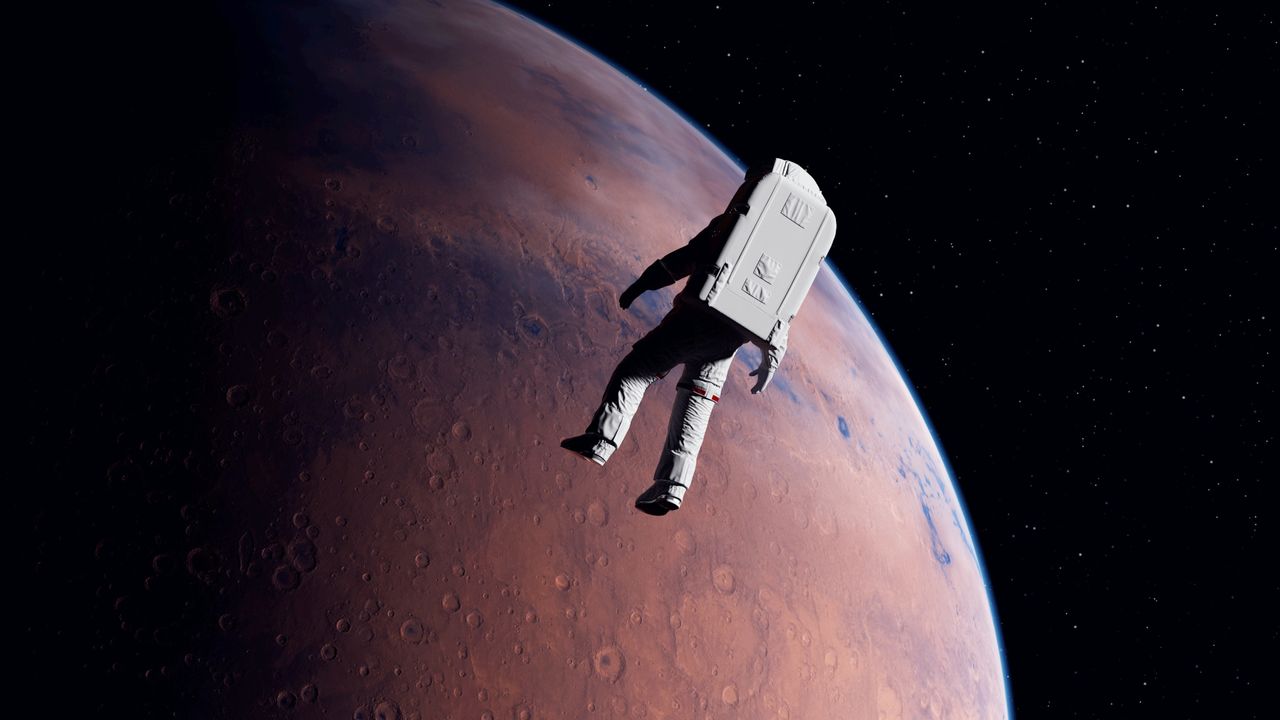
Science fiction films depict space deaths in dramatic fashion, but the reality of dying in the vacuum differs sharply from Hollywood's portrayal. Space.com examined how actual physics would kill an astronaut, separating cinematic myth from lethal truth.
The most persistent misconception centers on explosive decompression. Movies show bodies exploding when exposed to vacuum, yet this does not occur. Human tissue lacks the internal pressure differential required for such rupture. Instead, an unprotected person would experience rapid oxygen loss and blood boiling at the skin's surface due to reduced atmospheric pressure. Death would arrive through asphyxiation and tissue damage rather than dramatic explosion.
Freezing represents another Hollywood staple that oversimplifies reality. Space radiates heat slowly because a vacuum contains no medium for heat transfer through conduction or convection. An exposed human would cool gradually over hours rather than freeze instantly. Radiation exposure presents a more immediate threat. The sun's cosmic rays penetrate unshielded bodies, causing cellular damage and increasing cancer risk within minutes of exposure.
Decompression sickness, or "the bends," affects astronauts differently than deep-sea divers. Nitrogen bubbles forming in blood vessels occur at different pressure thresholds in space versus ocean depths. An unprotected person would lose consciousness within minutes as oxygen-depleted blood reaches the brain.
Micrometeorite impacts represent a threat rarely shown in films. High-velocity particles traveling at orbital speeds could pierce suit material and cause catastrophic pressure loss. This hazard demands constant vigilance during spacewalks.
Radiation poisoning emerges as perhaps the most underestimated killer in space. Extended exposure to solar radiation and galactic cosmic rays damages DNA and increases leukemia risk substantially. Spacecraft shielding and magnetic field protection prove essential for long-duration missions.
The vacuum itself acts as the ultimate weapon.