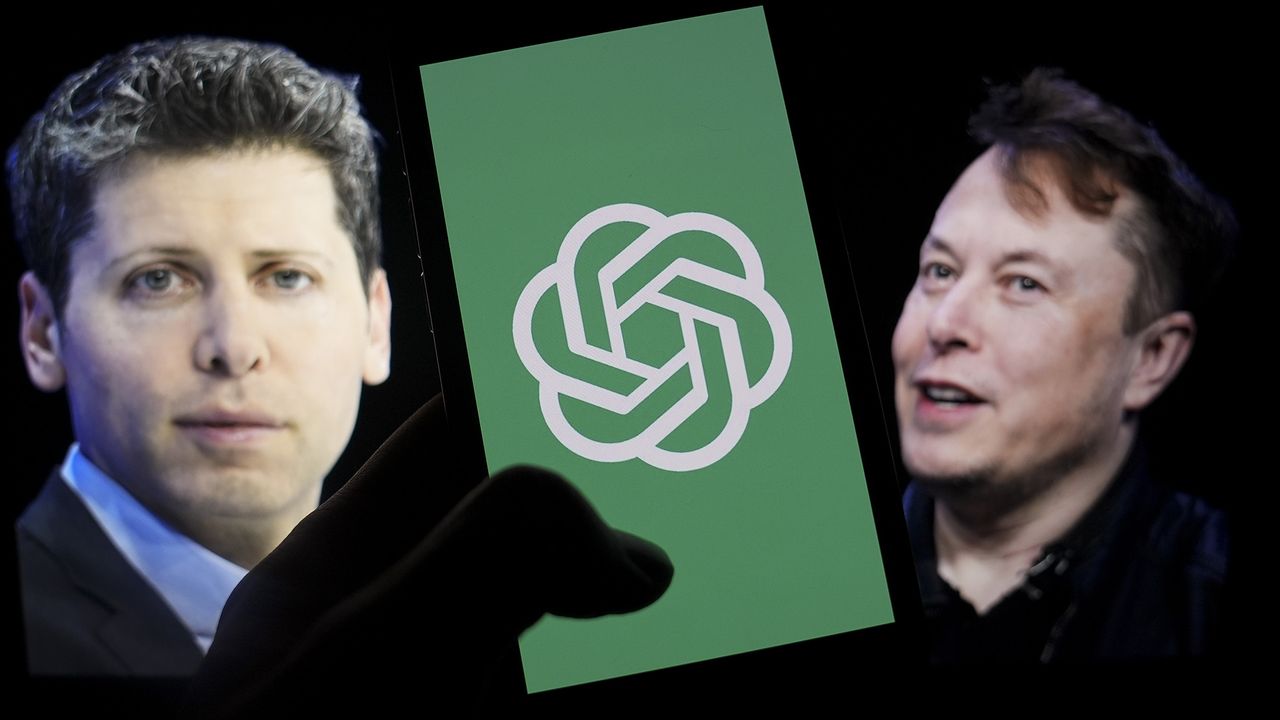
Elon Musk and Sam Altman are locked in a legal dispute with potential consequences for artificial intelligence development. Musk, co-founder of OpenAI, sued Altman and the organization in February 2024, alleging breach of contract and claiming OpenAI abandoned its nonprofit mission in favor of profit maximization through its partnership with Microsoft. Altman, OpenAI's CEO, has countersued, denying the allegations and defending the company's pivot toward commercial development.
The core dispute centers on OpenAI's founding charter. Musk argues the organization violated its original commitment to developing AI safely for humanity's benefit before prioritizing shareholder returns. Altman contends that commercial success enables OpenAI to invest more in research and safety measures that a purely nonprofit model could not sustain.
The legal battle's implications extend beyond the two executives. The outcome will likely influence how AI companies balance profit motives with safety concerns, governance structures for AI organizations, and whether founders retain control over their creations' direction. Courts have rarely addressed these questions at scale, making this case potentially precedent-setting.
Industry observers note the dispute reflects broader tensions in AI development. As companies race toward advanced AI systems, questions about accountability, safety protocols, and mission drift become increasingly urgent. The case could establish legal frameworks for evaluating whether AI companies fulfill their stated ethical commitments.
Other AI stakeholders, including researchers and investors, are watching closely. A ruling favoring Musk might embolden other founders to challenge corporate pivots away from stated missions. A victory for Altman could legitimize commercial AI development models where profit and research goals coexist.
The litigation remains ongoing, with no trial date set. Both parties have filed extensive motions and arguments, suggesting the case will involve complex questions about contract interpretation, nonprofit law, and corporate governance rather than technical AI questions.
THE TAKE