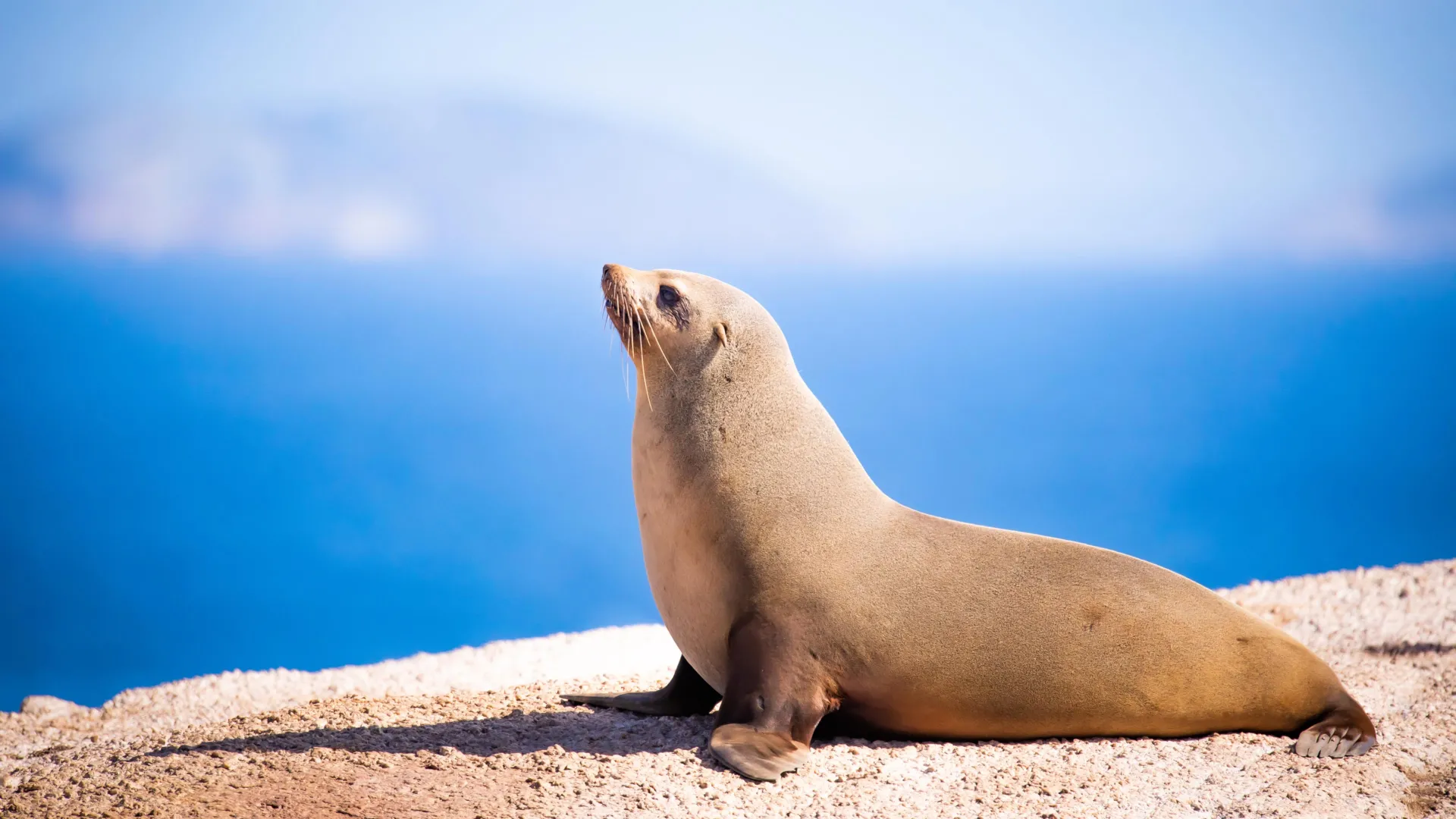
Fur seals delay a critical recovery process until after they haul out on land, according to new research. Hours following their return from extended hunting expeditions at sea, the seals experience sudden heart rate surges that sometimes double, as their bodies work to recover from the physiological stress of deep diving.
The discovery reveals that seals strategically postpone much of their physical recuperation until they reach safety on shore. During these recovery surges, their bodies flush out lactic acid accumulated during dives and rebuild oxygen stores depleted over days of continuous diving and hunting activity.
This delayed-recovery pattern represents an efficient adaptation to the seals' demanding lifestyle. Rather than expending energy on recovery while vulnerable in the ocean, the seals compress their recuperation into intensive bouts on land. The sudden heart rate increases serve as the body's mechanism for clearing metabolic byproducts and restoring physiological balance after extreme exertion.
The research challenges assumptions about what constitutes "rest" for marine mammals. While the seals appear passive while hauled out, their cardiovascular systems operate at elevated capacity to address the accumulated metabolic debt from their underwater activities. This recovery process can take several hours and represents a critical phase in the seals' biological cycle.
Understanding these recovery dynamics provides insight into how deep-diving mammals manage the competing demands of efficient hunting and physiological sustainability. The findings also have implications for conservation efforts, as disturbances during critical haul-out periods could interrupt essential recovery processes and potentially harm seal populations. The research demonstrates that what appears externally as rest is actually intense internal work necessary for survival.
THE TAKEAWAY: Fur seals compress their physical recovery into dramatic post-dive surges on land, revealing sophisticated physiological strategies for managing the extreme stress of deep ocean hunting.