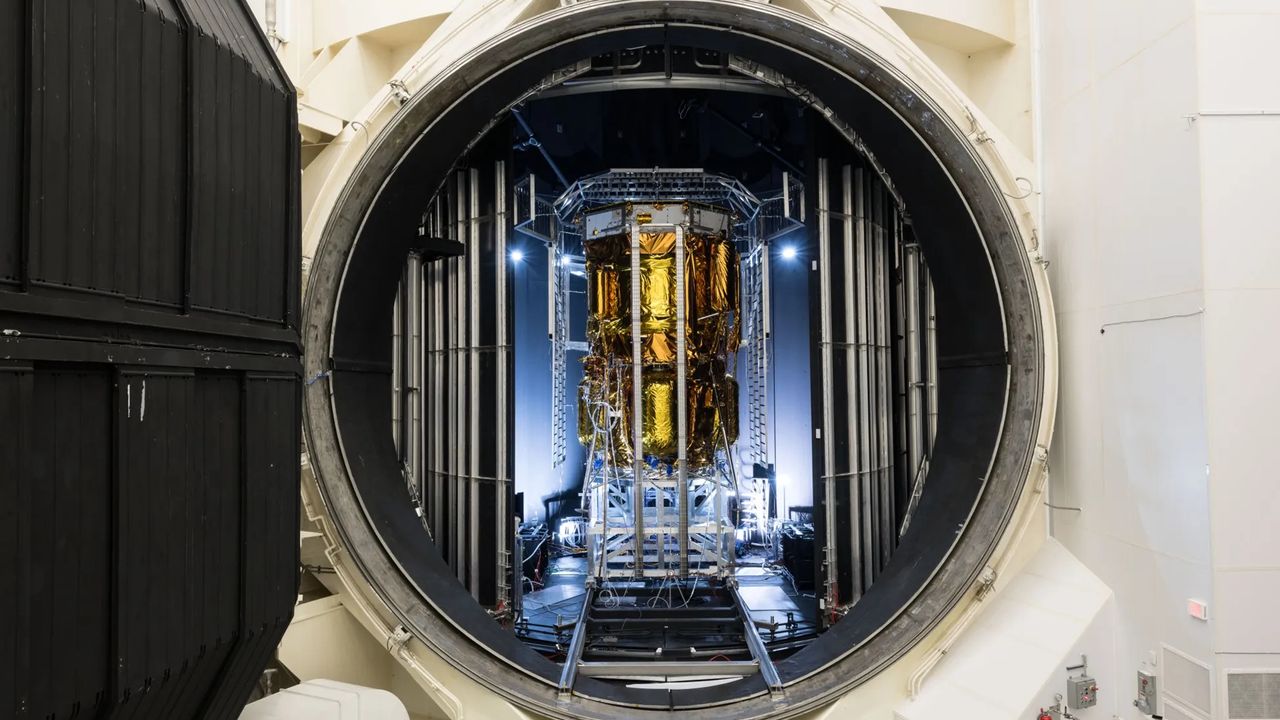
Blue Origin conducted tests of its first lunar lander at multiple NASA facilities nationwide, advancing the spacecraft toward an actual lunar mission scheduled for later this year.
The company's lunar lander, called Blue Moon, underwent evaluation at various NASA centers to validate its systems and performance ahead of the crewed or cargo delivery mission. Blue Origin has positioned itself as a key partner in NASA's Artemis program, which aims to return astronauts to the lunar surface.
The testing regimen examined critical components including landing systems, propulsion, and structural integrity. By running these assessments across different NASA centers, Blue Origin can leverage specialized equipment and expertise at facilities like Marshall Space Flight Center, Kennedy Space Center, and others equipped for spacecraft evaluation.
Blue Origin founder Jeff Bezos established the lunar lander program to compete for NASA contracts and commercial lunar delivery opportunities. The company has invested billions into Blue Moon development, viewing lunar transportation as a cornerstone of its space business strategy alongside its New Shepard suborbital vehicle and New Glenn heavy-lift rocket in development.
The 2024 timeline represents an aggressive schedule for lunar operations. Successfully completing these ground tests removes a critical hurdle before flight hardware reaches the launch pad. NASA requires comprehensive validation of all systems before certifying any vehicle for human spaceflight missions, making thorough testing essential.
Success with Blue Moon would establish Blue Origin as a viable provider of lunar logistics, potentially opening revenue streams from NASA, commercial partners, and international space agencies seeking lunar transportation. The lander represents years of engineering work and represents one of several competing lunar vehicle programs, including those from Axiom Space and other contractors vying for NASA contracts.
These tests demonstrate the maturation of commercial space capabilities in lunar exploration. Rather than relying solely on government-developed systems, NASA increasingly partners with private companies to reduce costs and accelerate development timelines for deep space missions.
THE TAKEAWAY: Blue Origin's lunar l